If you are trying to choose between Wailuku and nearby Central Maui communities, the biggest difference is not distance. It is the kind of day each place is built around. Some areas feel more historic and walkable, while others are shaped by shopping, travel, or planned neighborhood convenience. This guide will help you compare Wailuku, Kahului, Kehalani, and Maui Lani so you can better understand what daily life may feel like in each one. Let’s dive in.
Why Central Maui Feels So Different
Wailuku and Kahului are both part of Maui County’s Central Maui planning area, but they serve very different roles. Wailuku is the county’s historic and civic center, while Kahului functions more as Maui’s regional gateway for travel, shipping, and services.
That difference shows up in everyday routines. In Wailuku, your errands may center on a traditional town core with older buildings and government offices. In Kahului, daily life often revolves around larger service destinations, recreation facilities, and island-wide transportation links.
Nearby planned communities add two more lifestyle options. Kehalani offers a newer hillside neighborhood setting with a village-center feel, while Maui Lani reflects a larger master-planned suburban environment.
Wailuku Daily Life at a Glance
Wailuku stands out for its history, civic importance, and pedestrian-oriented town character. Maui County identifies it as the county’s historic district no. 3, and the Wailuku Redevelopment Area covers about 68 acres centered on the downtown business district.
The county’s redevelopment guidelines place real emphasis on preserving historic architecture and supporting a more walkable setting. That means Wailuku’s built environment is not just background. It actively shapes how the town feels day to day.
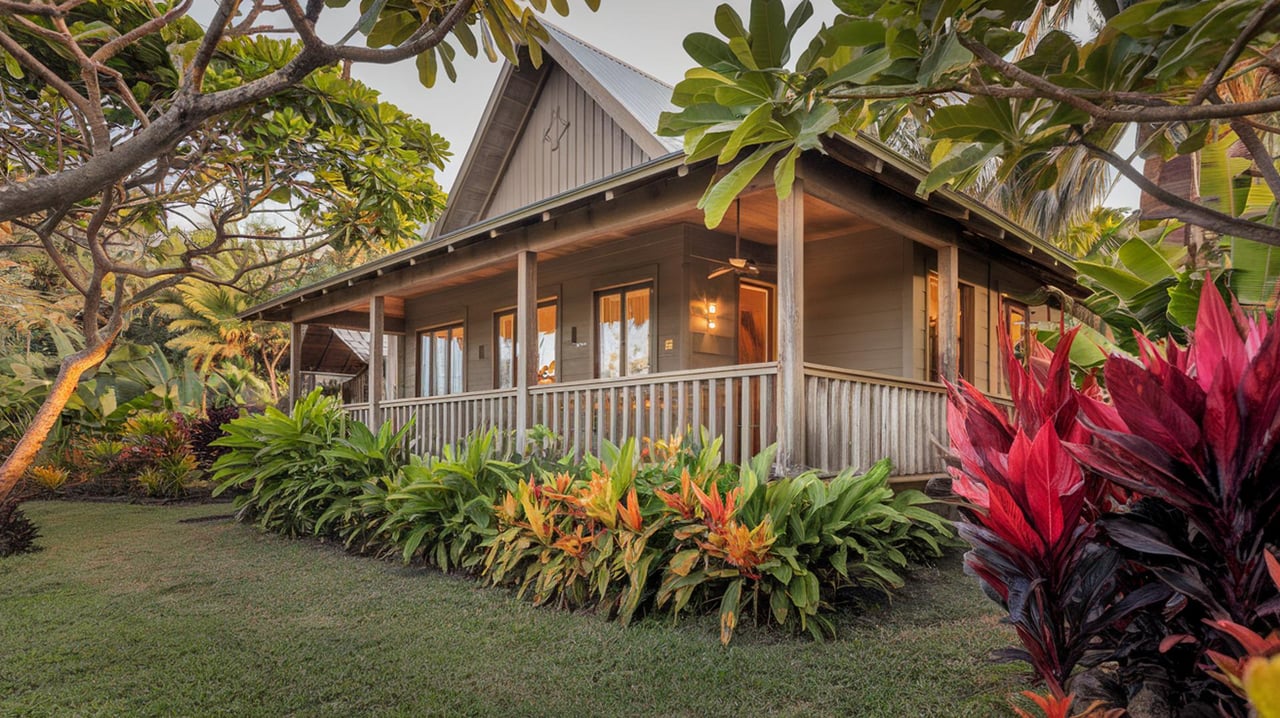
You may notice smaller blocks, older commercial buildings, and a stronger sense of an established town core. For buyers who want local character and a setting that feels rooted in Maui’s civic history, Wailuku offers a distinct experience within Central Maui.
Kahului as the Regional Hub
Kahului plays a very different role in Central Maui. The state identifies Kahului Airport as Maui’s primary airport and the second busiest airport in Hawaiʻi, and it also describes Kahului Harbor as the primary port on Maui’s northern coast.
That creates a more service-driven rhythm. Kahului tends to feel less like a single neighborhood and more like the island’s practical hub for travel, logistics, and major services.
This can be a real advantage if your routine depends on easy access to transportation and large public facilities. County park resources also point to major recreation and community destinations in Kahului, including Kahului Community Park, Kahului Community Center, Keōpūolani Regional Park, and the War Memorial Complex.
Kehalani’s Newer Neighborhood Feel
If Wailuku feels like a historic town and Kahului feels like a hub, Kehalani reads more like a newer planned neighborhood above Wailuku. County materials describe the Kehalani Project District as a 545-acre area entitled for 2,400 units with a mix of single-family, multi-family, and market housing, along with an affordable housing component.
The lifestyle here is shaped by neighborhood convenience. County design-review materials for the Kehalani Village Center identify Foodland, Longs CVS, and Aloha Gas as anchors, along with internal roads, a village green, and pedestrian walkway connections into the surrounding residential area.
That creates a different daily pattern from Wailuku’s old-town setting. In Kehalani, the environment is more planned, more residential in feel, and built around convenient neighborhood-serving uses.
Maui Lani’s Master-Planned Suburban Style
Maui Lani sits farther along the planned-community end of the Central Maui spectrum. According to its community association, it is a master-planned golf-course community that will have 3,700 homes on almost 1,000 acres.
Its positioning is clear. The community is designed to offer a quiet residential environment while remaining minutes from shopping, medical facilities, entertainment, beaches, the airport, and the business district.
For many buyers, that translates into a more suburban routine. Compared with Wailuku, Maui Lani generally offers less old-town texture and more of a master-planned residential feel.
How Commutes Compare in Central Maui
One of the most useful facts for comparing daily life is commute time. Census Reporter’s ACS 2024 five-year profiles show Wailuku with a mean travel time to work of 19.1 minutes, while Kahului comes in at 22.8 minutes.
Those numbers suggest that both places are relatively compact by mainland standards. In practical terms, you are often comparing different styles of living more than dramatically different commute patterns.
For many buyers, that is good news. It means your choice may come down less to raw drive time and more to whether you prefer a historic town center, a regional service hub, or a planned residential neighborhood.
Getting Around Without Driving Everywhere
Transit also helps explain the flow of daily life in Central Maui. Maui County’s route maps include the Wailuku Loop routes and Kahului Loop routes, and the county says its fixed-route bus system serves both Wailuku and Kahului.
County transit planning materials note that the main transfer activity is centered in Kahului at Queen Kaʻahumanu Center. For anyone hoping to live a little more car-light, that gives Kahului a practical edge as a transfer point within Central Maui.
Wailuku still benefits from bus service, but its role is different. It feels more like a civic town center, while Kahului functions more like the region’s main movement and connection point.
Housing Style Matters as Much as Price
When buyers compare Central Maui communities, it is easy to focus only on price. But the research suggests that housing character may matter more than headline cost.
According to Census QuickFacts, median owner-occupied housing values are very close in Wailuku and Kahului at $855,700 and $862,600, respectively. That is not a dramatic gap.
Other housing indicators show a more useful contrast. Wailuku has a higher owner-occupied housing unit rate at 70.6%, compared with 64.7% in Kahului, while median gross rent is $1,762 in Wailuku and $1,488 in Kahului.
Taken together, those figures support what many buyers notice on the ground. Wailuku and Kahului are less separated by a huge pricing divide and more by neighborhood form, land use, and the kind of daily routine each setting supports.
Which Central Maui Lifestyle Fits You?
The easiest way to compare these areas is to think about what kind of routine you want most days. Each Central Maui area offers a different version of convenience.
Choose Wailuku for town character
Wailuku may be the best fit if you want a historic civic setting with a more traditional downtown framework. Its pedestrian-oriented core, preserved architecture, and government-centered role give it a sense of place that is hard to duplicate in newer communities.
Choose Kahului for practical access
Kahului may suit you if your day-to-day life depends on larger services, transportation access, and major recreation facilities. With the airport, harbor, bus transfer activity, and regional parks nearby, it is built for movement and utility.
Choose Kehalani for planned convenience
Kehalani may appeal if you want a newer residential setting with neighborhood-serving retail and a village-center layout. It offers a more curated daily experience than Wailuku, with convenience built into the community plan.
Choose Maui Lani for suburban scale
Maui Lani may be the right match if you want a larger master-planned residential setting. It offers a quiet neighborhood feel while still keeping major Central Maui destinations within a short reach.
What This Means for Buyers
If you are home shopping in Central Maui, it helps to compare more than listings. The same budget can deliver a very different lifestyle depending on whether you prioritize town character, transportation convenience, hillside planning, or a larger suburban community.
That is especially true in an area where commute times are relatively manageable across multiple communities. When distances are not extreme, the texture of daily life becomes even more important.
A neighborhood should support the way you want to live, not just the number of bedrooms on paper. That is why a side-by-side, hyperlocal comparison matters so much in Central Maui.
Working with a local team can help you sort through these differences in a practical way. If you want help comparing Wailuku, Kahului, Kehalani, or Maui Lani based on your goals, reach out to Leslie-Ann Yokouchi for thoughtful, local guidance.
FAQs
How does daily life in Wailuku compare with Kahului?
- Wailuku feels more like a historic civic town with a pedestrian-oriented core, while Kahului functions more as Central Maui’s regional hub for travel, services, recreation, and transportation.
Is Wailuku more walkable than nearby Central Maui areas?
- Maui County’s redevelopment guidelines for Wailuku emphasize preserving a more pedestrian-oriented downtown character, which makes walkability a bigger part of Wailuku’s identity than in planned suburban communities nearby.
Are home prices very different between Wailuku and Kahului?
- Based on Census QuickFacts, median owner-occupied housing values are quite close, so the bigger differences are usually neighborhood character, housing mix, and day-to-day setting rather than a major price gap.
What is Kehalani like compared with Wailuku?
- Kehalani is better understood as a newer hillside planned community with neighborhood retail, internal connections, and a village-center feel, while Wailuku offers an older town core with more historic character.
What is Maui Lani like compared with Wailuku?
- Maui Lani is a larger master-planned residential community with a quieter suburban feel, while Wailuku is centered more on history, civic functions, and a traditional downtown environment.
Is Central Maui convenient for commuting?
- The available commute data suggests yes, with mean travel times of 19.1 minutes in Wailuku and 22.8 minutes in Kahului, which are relatively short by mainland standards.