Craving more green and more quiet in your day? Haiku trades resort bustle for fruit trees, ocean breezes and neighborly routines that revolve around the land. If you’re drawn to a slower rhythm with easy access to surf, hiking and small farm culture, this guide will help you picture daily life, understand the tradeoffs and get practical about utilities, zoning and hazards. By the end, you’ll know what living in Haiku feels like and what to check before you buy. Let’s dive in.
Haiku rhythm and community life
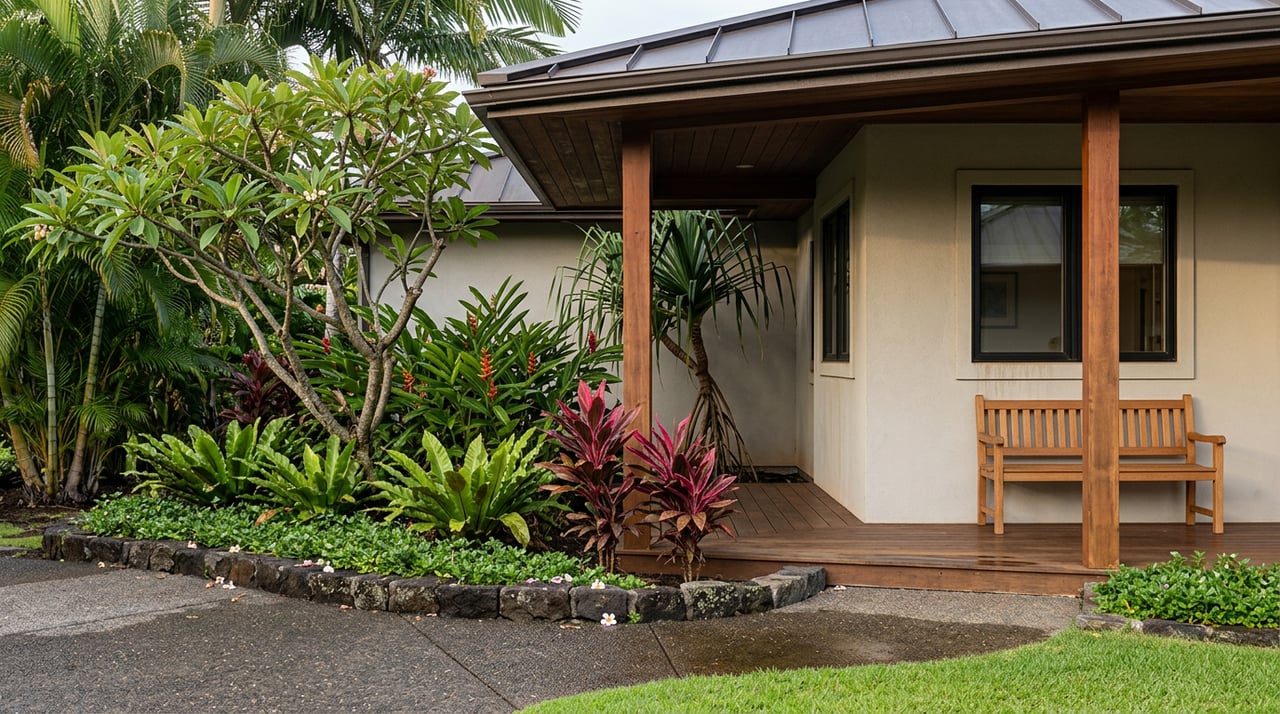
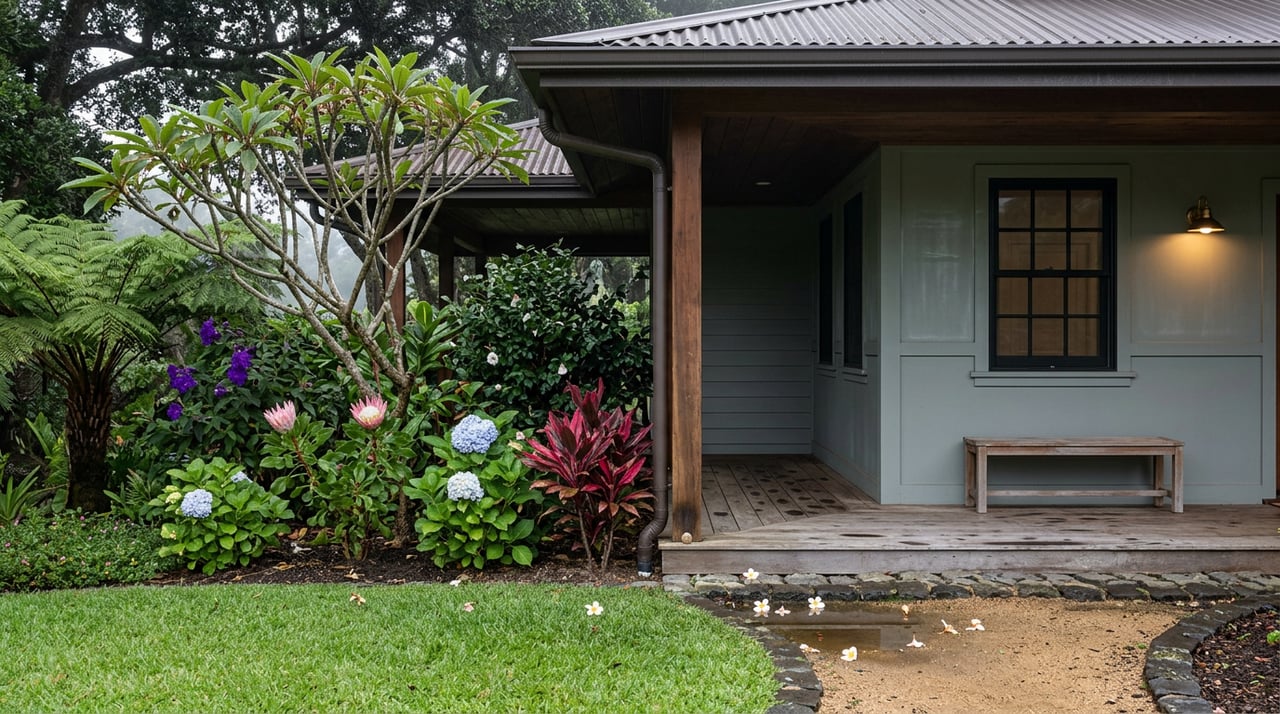
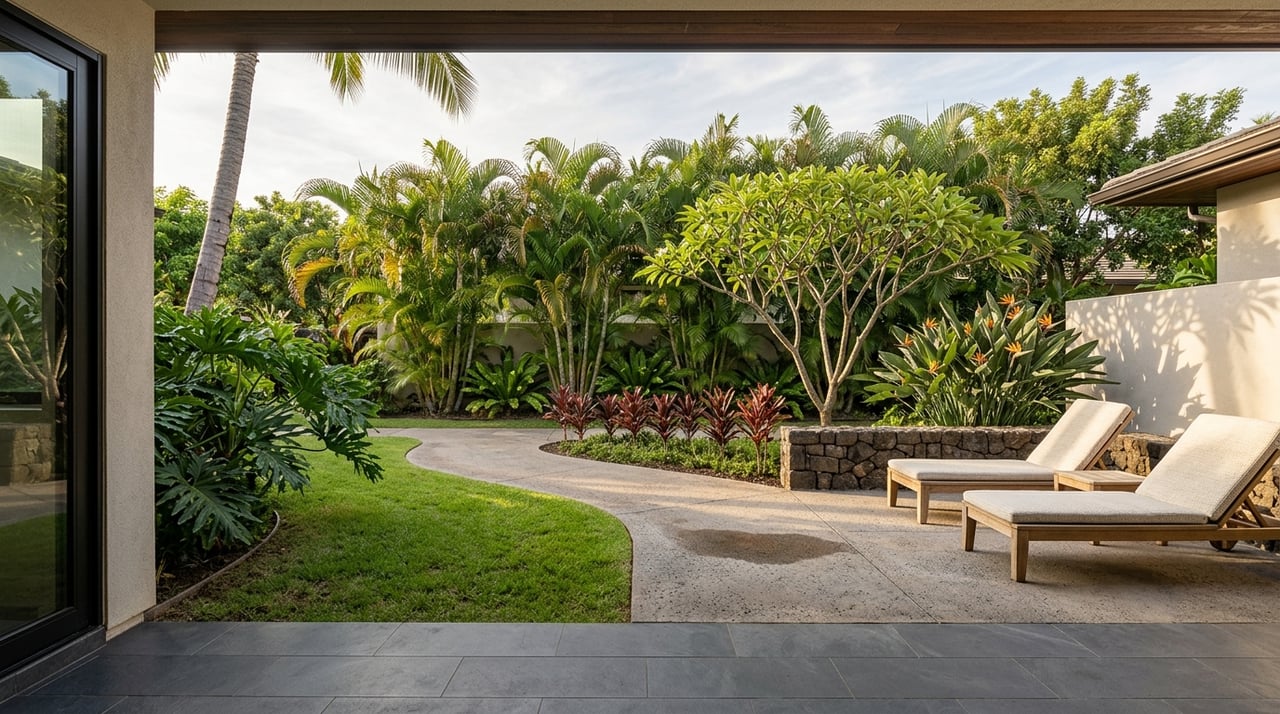
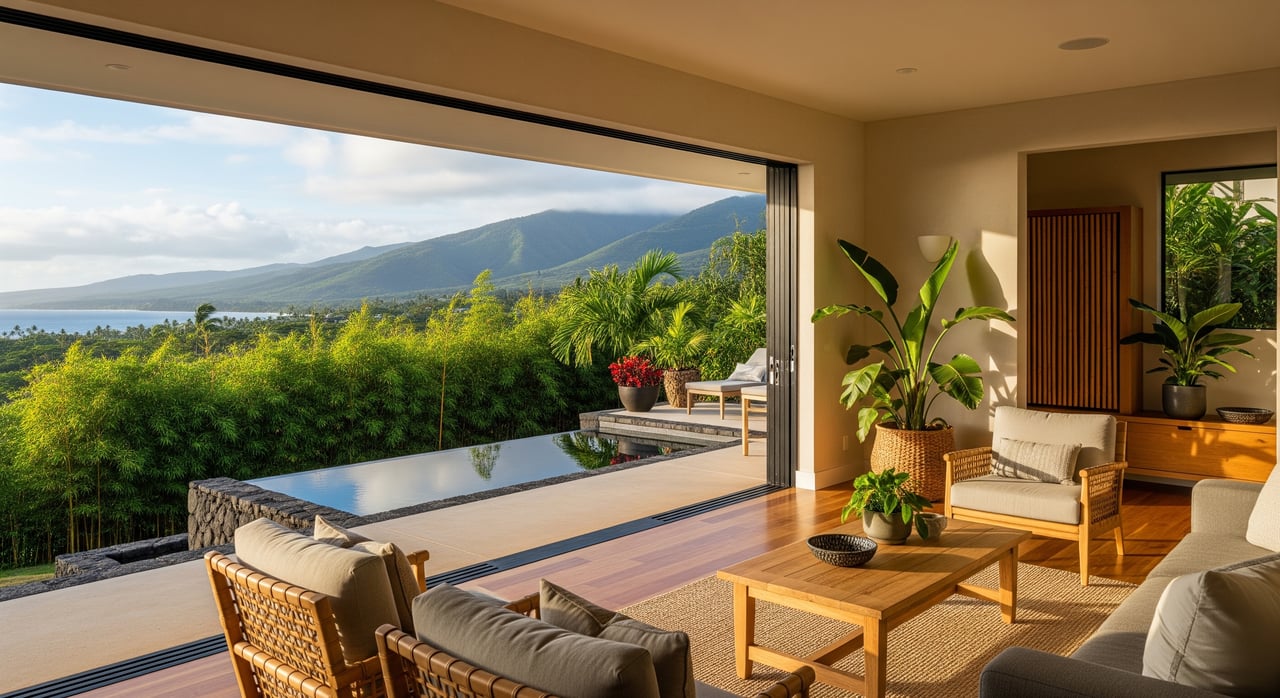
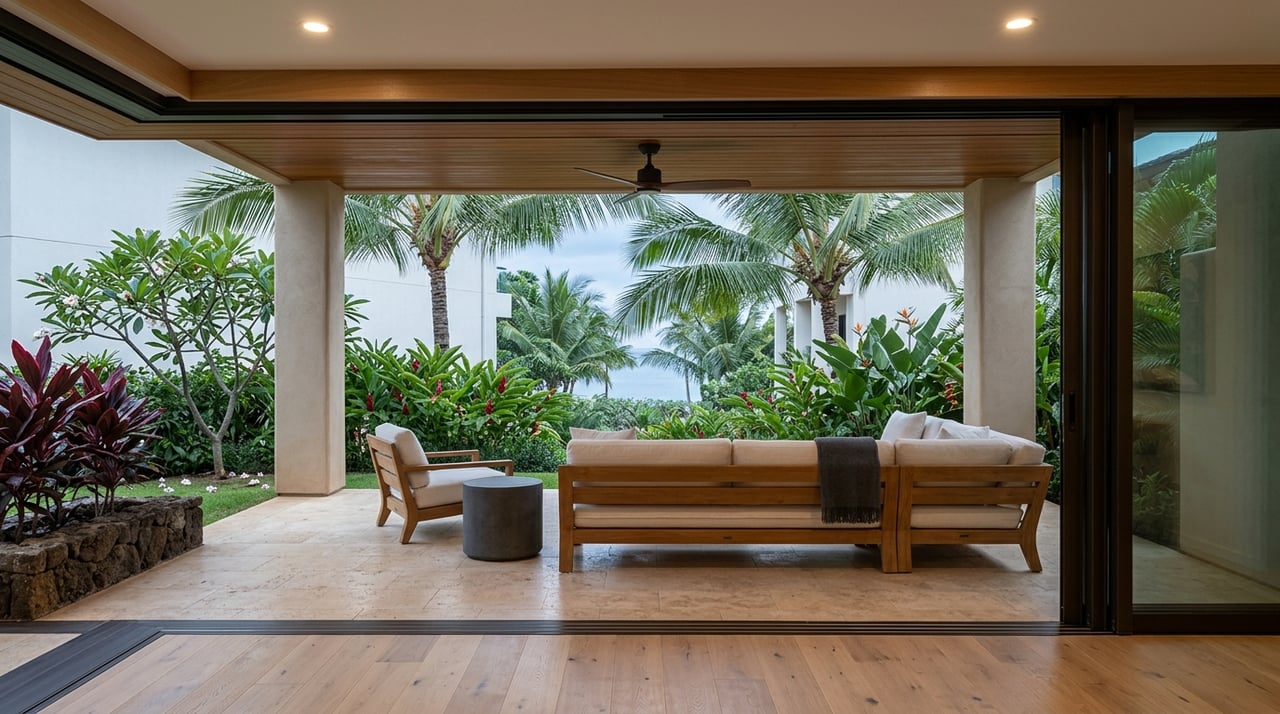
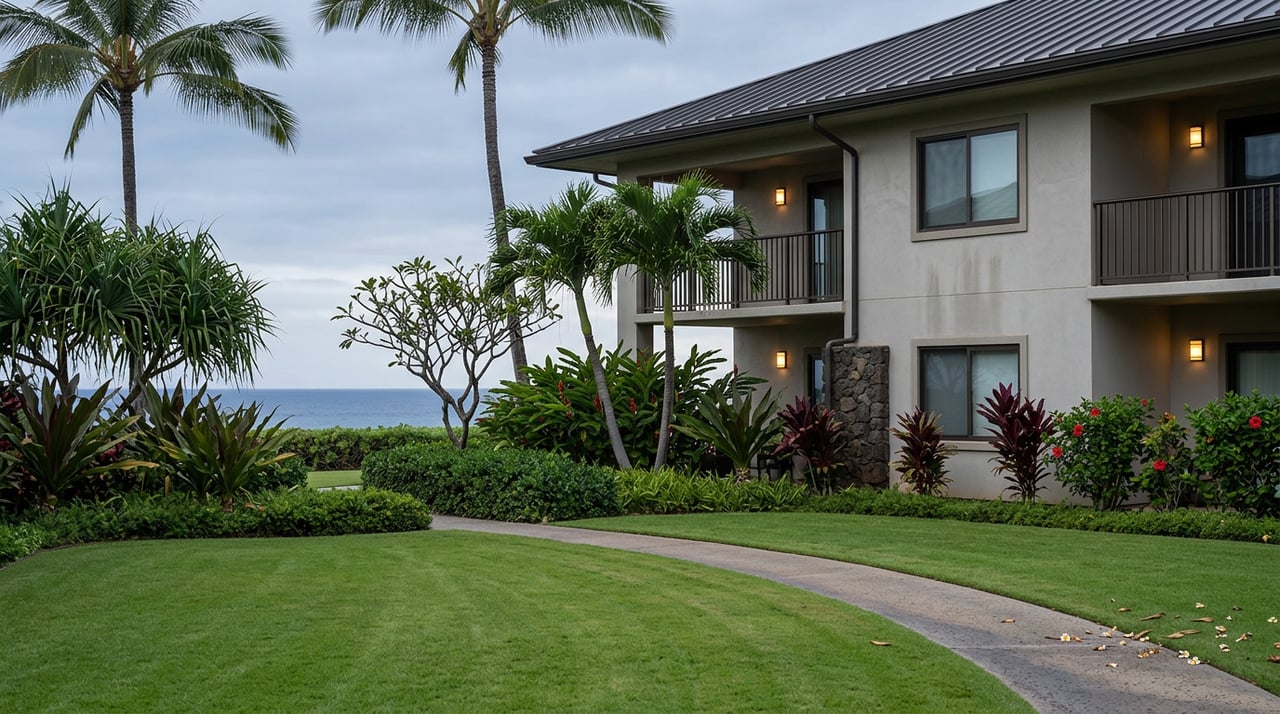
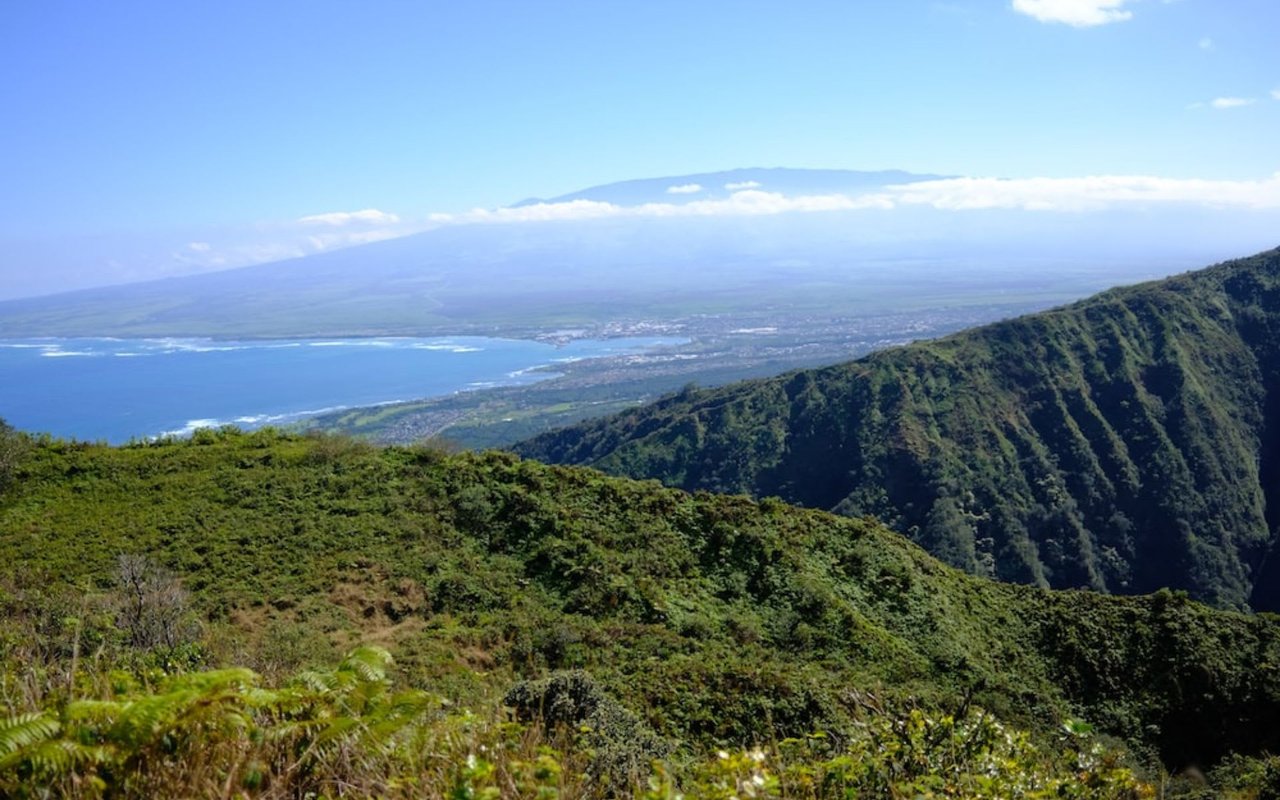
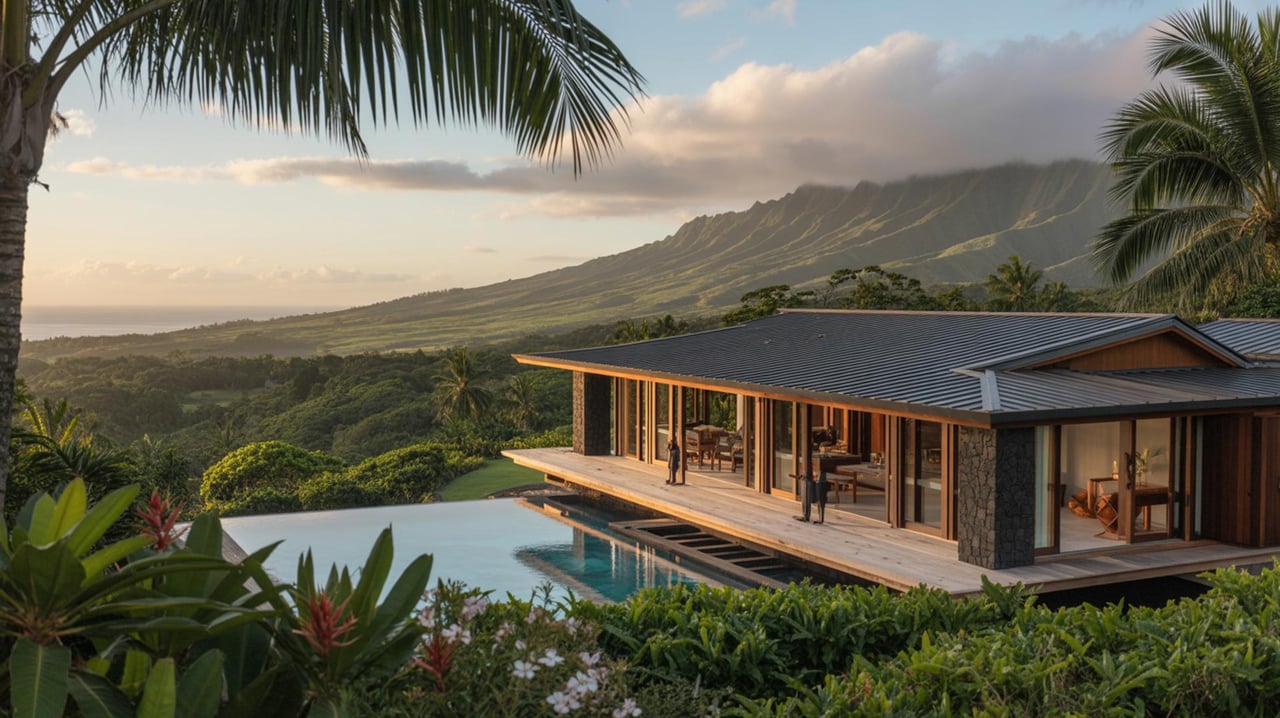
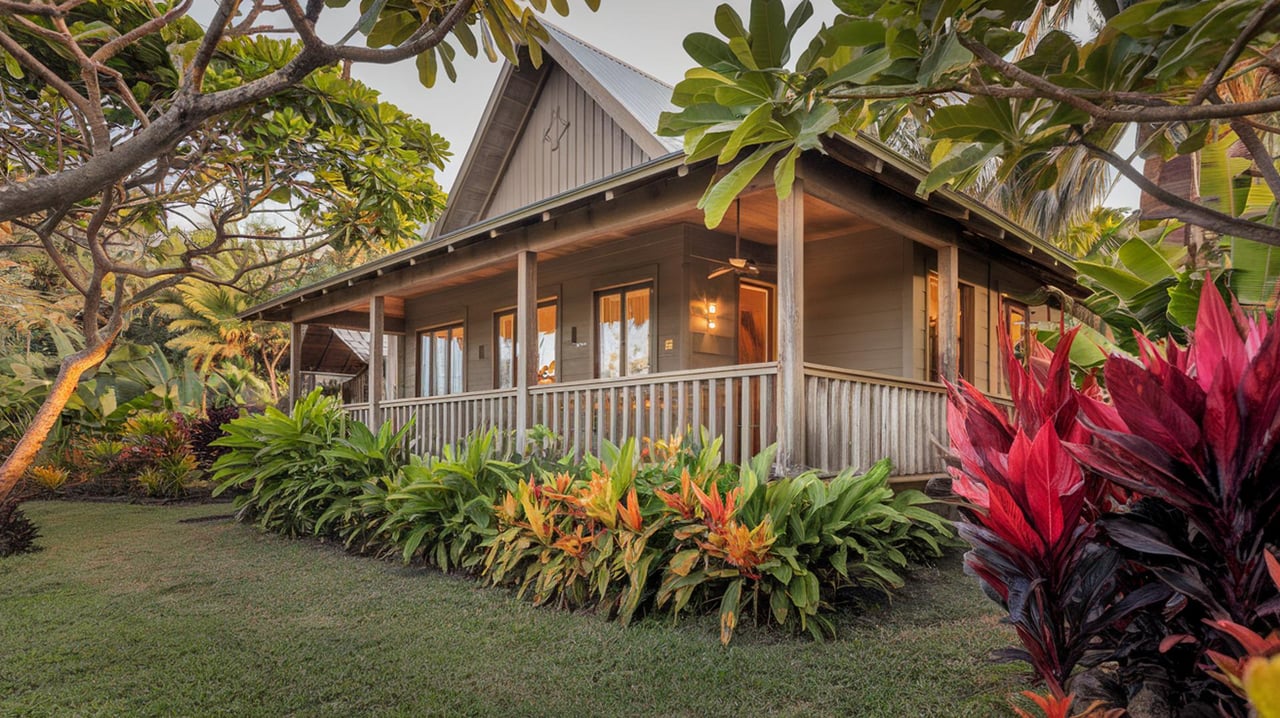
Haiku sits on Maui’s North Shore between Paia and Makawao. The feel is rural and green, with tall trees, tropical gardens and open skies. Most days center on outdoor time, whether you start with a sunrise surf, a yoga session at home, or a quick stop at a farm stand for produce.
Community ties are strong. You’ll see neighbors trading tools, sharing fruit, and meeting at small markets or community events. There is a place-based culture here that values stewardship of the land and local food systems. For a deeper look at population and housing context, the U.S. Census Bureau provides area data for the Haiku-Pauwela CDP and Maui County as a whole. You can explore regional snapshots on the U.S. Census Bureau.
What daily life looks like
- Morning: Check the wind and swell. If conditions line up, you might head toward North Shore breaks near Paia. If not, it’s coffee on the lanai and a walk under the ironwoods.
- Midday: Work from home or commute to Kahului or Upcountry. Many residents split time between remote work and errands in Paia or Kahului.
- Afternoon: Garden maintenance, a quick hike through a bamboo grove or a stop at a farm stand for greens, fruit and herbs.
- Evening: Simple dinners with friends, school activities or a quiet night with the trade winds and rain tapping on the roof.
Essentials: Groceries, schools, healthcare
You’ll find farm-fresh produce at roadside stands and small markets. For larger grocery runs, most residents drive to Paia or Kahului. Kahului is also your hub for big-box retail, banks and specialized services.
Haiku has local elementary options. Middle and high school students commonly travel to schools in other North Shore or Upcountry areas. For school zones and enrollment details, confirm with the Hawaii State Department of Education.
Basic medical clinics and general practitioners are available in Paia and Kahului. Hospital care and medical specialists are based in Kahului. Keep in mind that scheduling and commute planning matter more here than in urban areas.
Getting around: Commute and roads
Plan on driving. From most Haiku neighborhoods, you can reach Kahului in roughly 15 to 30 minutes depending on your exact location and traffic. Hana Highway is the main corridor, with smaller secondary roads that can be narrow and winding.
Public transit exists on Maui, but service is limited compared with cities on the mainland. When you tour homes, time your visits for different hours so you can test drive times, light conditions and road wear after rain.
Utilities and rural infrastructure
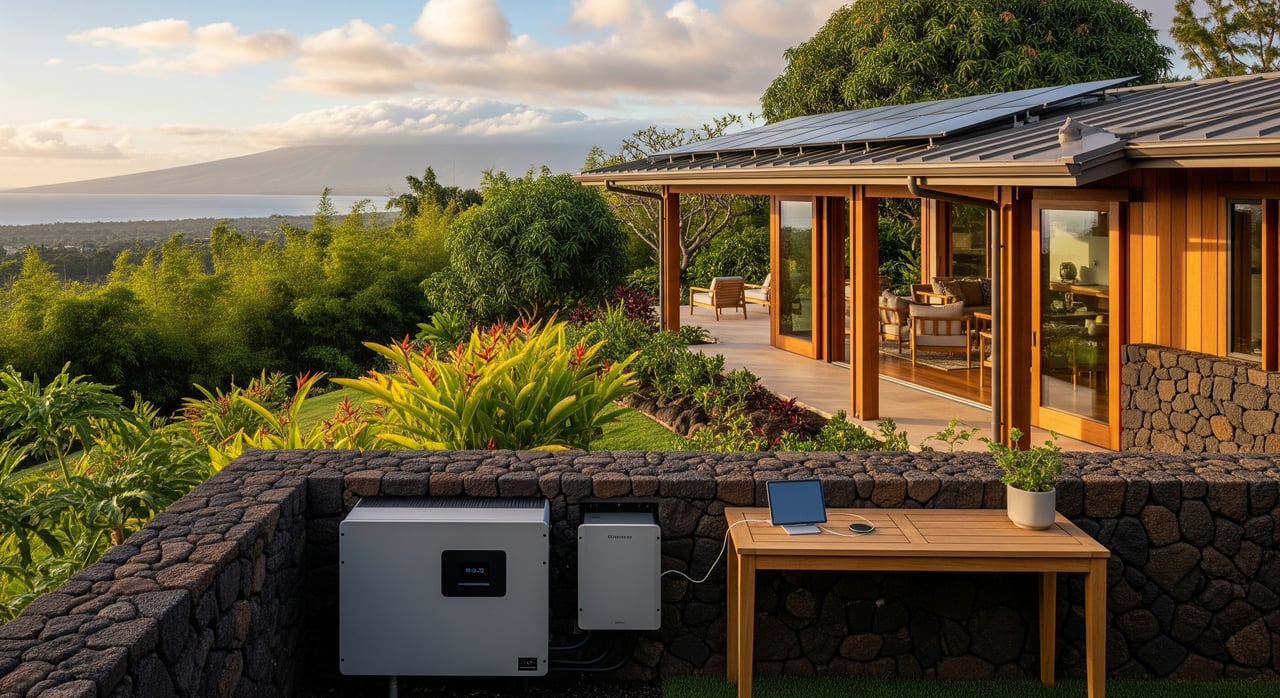
Haiku’s green landscape comes with rural systems. Many properties rely on on-site wastewater systems and private water sources. That makes due diligence essential.
- Power: Electric service is provided by Hawaiian Electric. Ask your inspector about panel capacity and surge protection, especially on older homes.
- Internet: Service varies by street. Some pockets have wired broadband, while others rely on DSL, fixed wireless or satellite. Check availability with providers such as Hawaiian Telcom and consider newer satellite options.
- Water: Confirm whether a property has County water, a private well or a rainwater catchment system. If it is catchment, ask about storage capacity, filtration and maintenance history.
- Wastewater: Many homes use septic systems. Verify system size, permit status and the date of the last inspection or pumping.
- Cell coverage: Expect spotty reception in some valleys and heavily vegetated lots. Test at the property.
Outdoor life: Surf, trails and green time
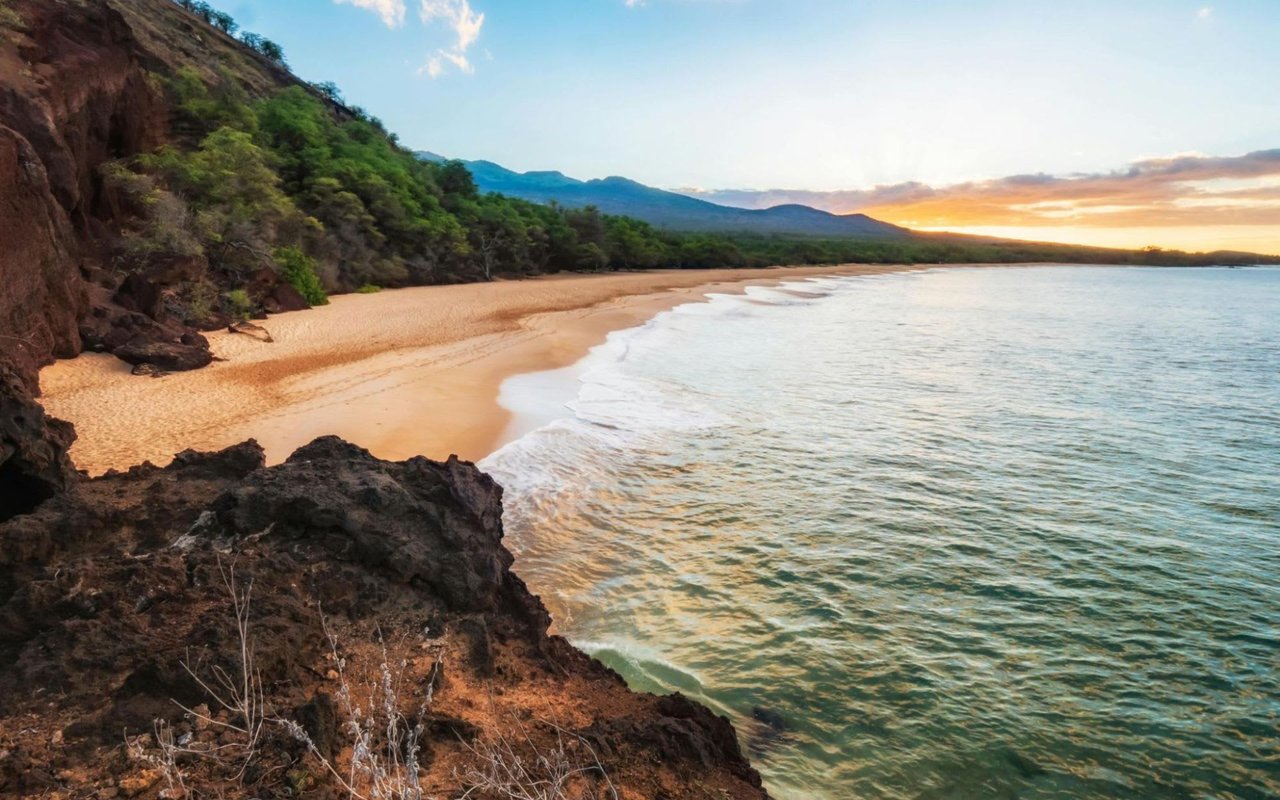
Haiku puts you near some of Maui’s most iconic North Shore waters. Ho‘okipa and nearby windier breaks closer to Paia are part of daily life for many ocean lovers. Jaws, also known as Peahi, is farther east and associated with big-wave surf culture when winter swells arrive.
On land, you will find casual hikes through bamboo, gulches and forested paths. Many residents grow food, tend orchards or participate in small-scale agriculture and permaculture projects. For shoreline and conservation information, browse resources from Hawaii DLNR.
Climate and microclimates
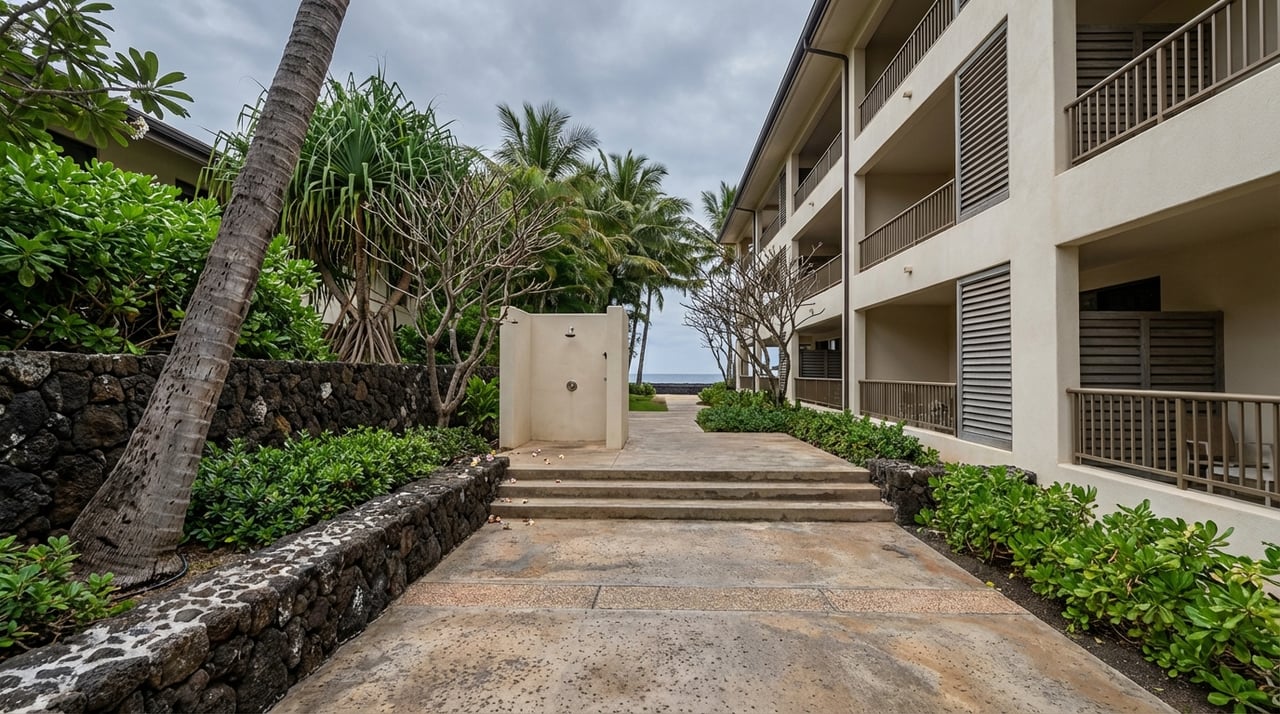
Haiku is wetter and greener than South Maui and other leeward areas. Northeasterly trade winds and orographic rainfall keep the landscape lush. Microclimates shift quickly with elevation and exposure, so one street can be sunny while another sees steady showers.
Temperatures are mild year-round. Humidity is higher than in drier parts of the island. For storm updates and climate context, rely on official information from NOAA.
Hazards and preparedness
Heavy rain can cause localized flooding, runoff and road washouts. Steep terrain in some areas adds landslide potential after major storms. Tropical storms and hurricanes are possible, and wildfire risk has become a broader island-wide concern in recent years.
- Insurance: Hazard exposure influences availability and pricing. Get homeowners and hazard insurance quotes early in your process.
- Flood and tsunami zones: Review county resources and state maps for the parcel you are considering. Use official portals from Maui County and Hawaii DLNR to begin your research and consult professionals for site-specific questions.
- Storm readiness: Keep a basic kit and watch forecasts from NOAA during the Pacific hurricane season.
Homes, land use and permits
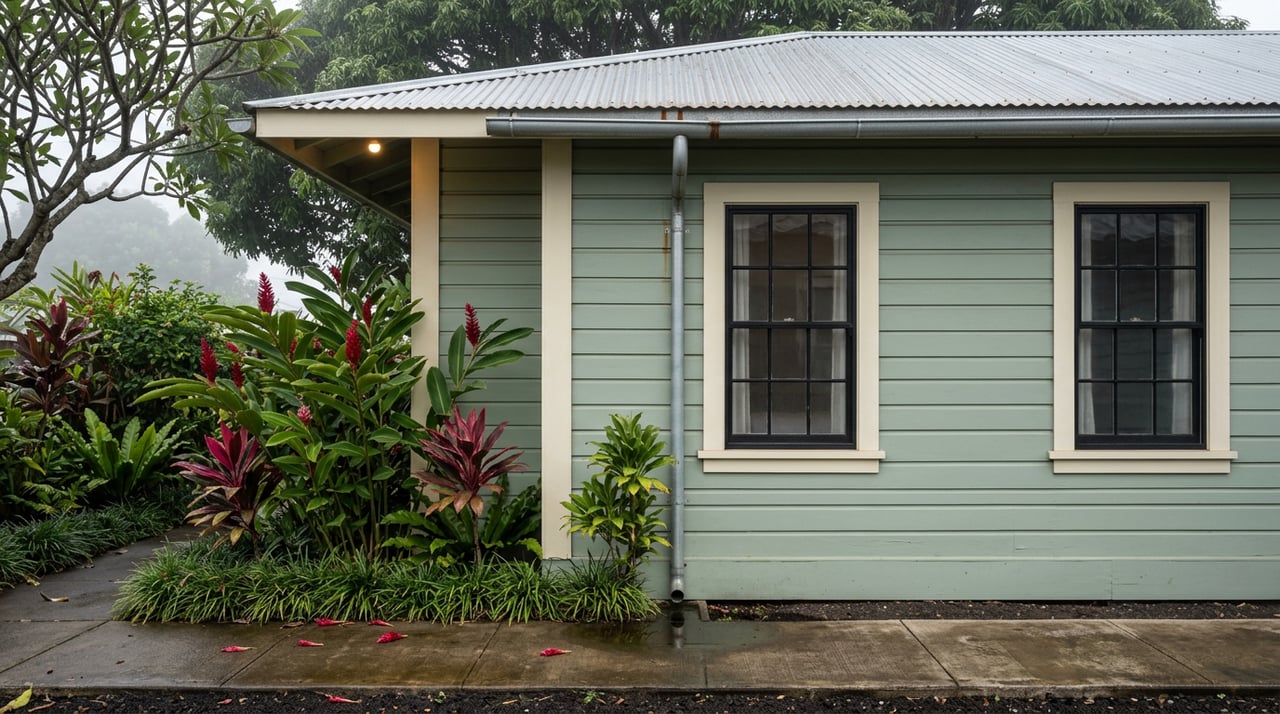
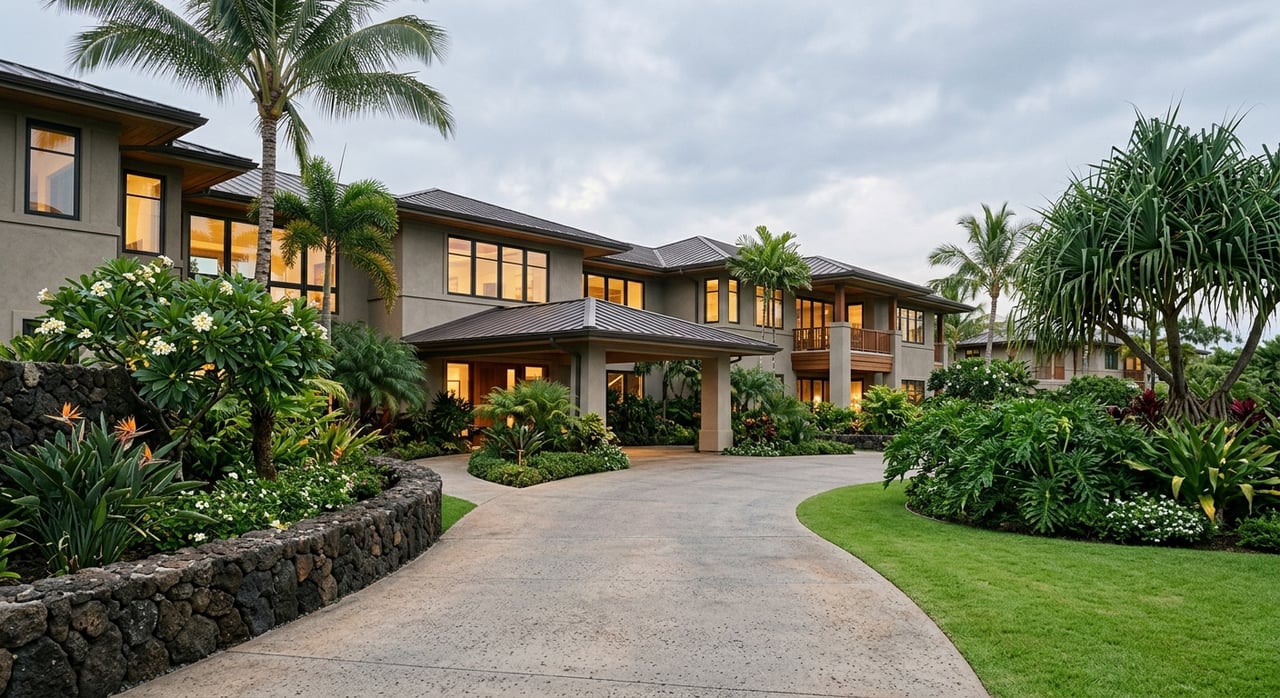
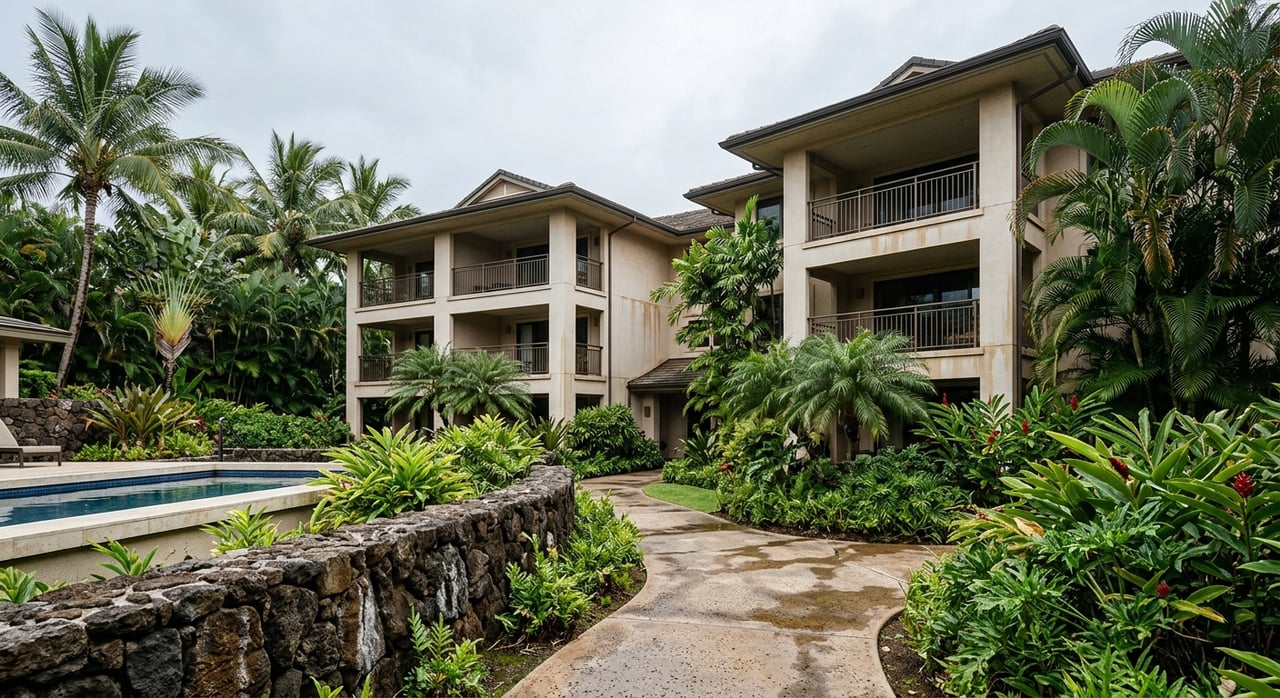
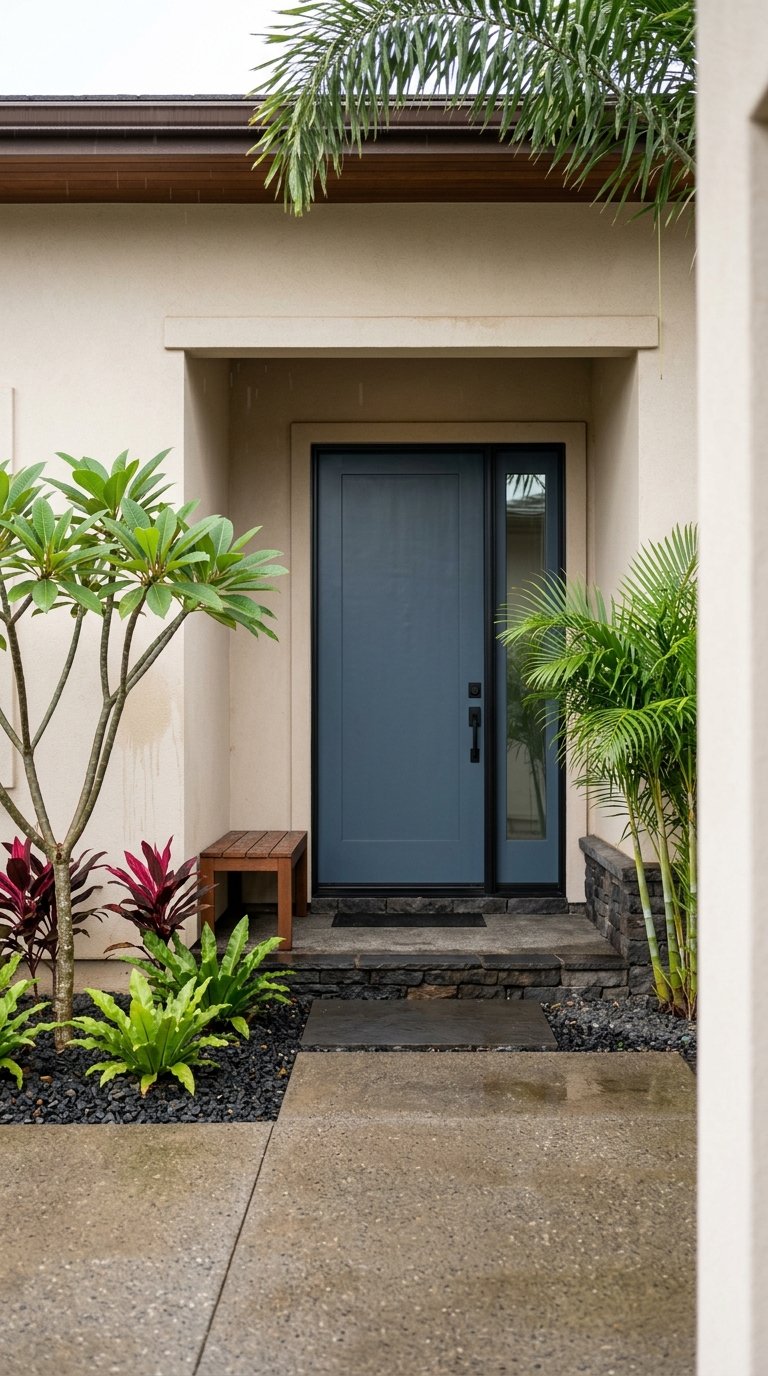
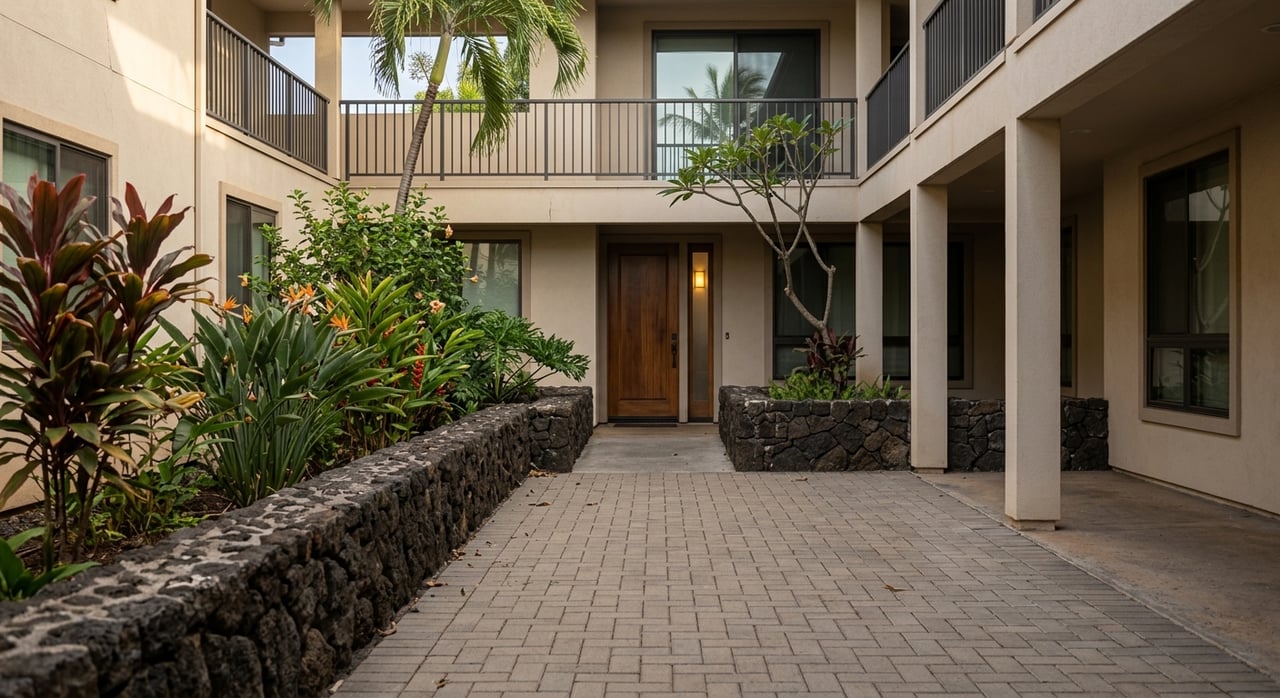
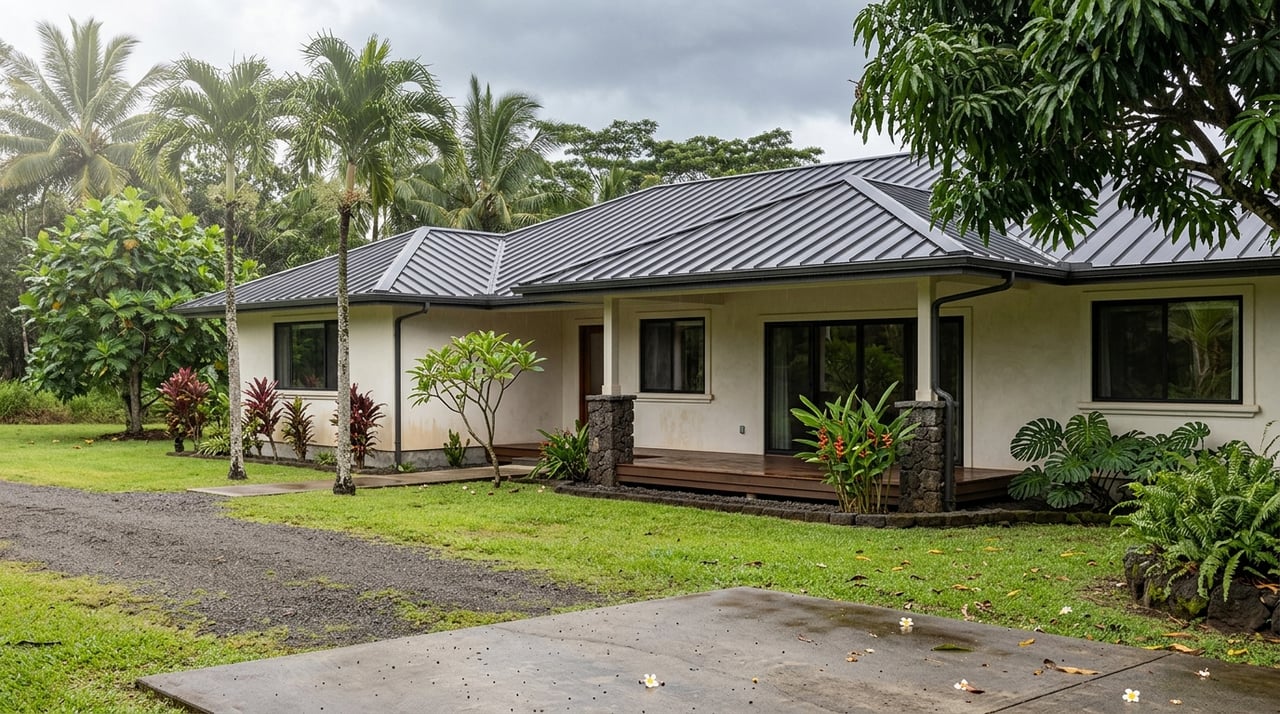
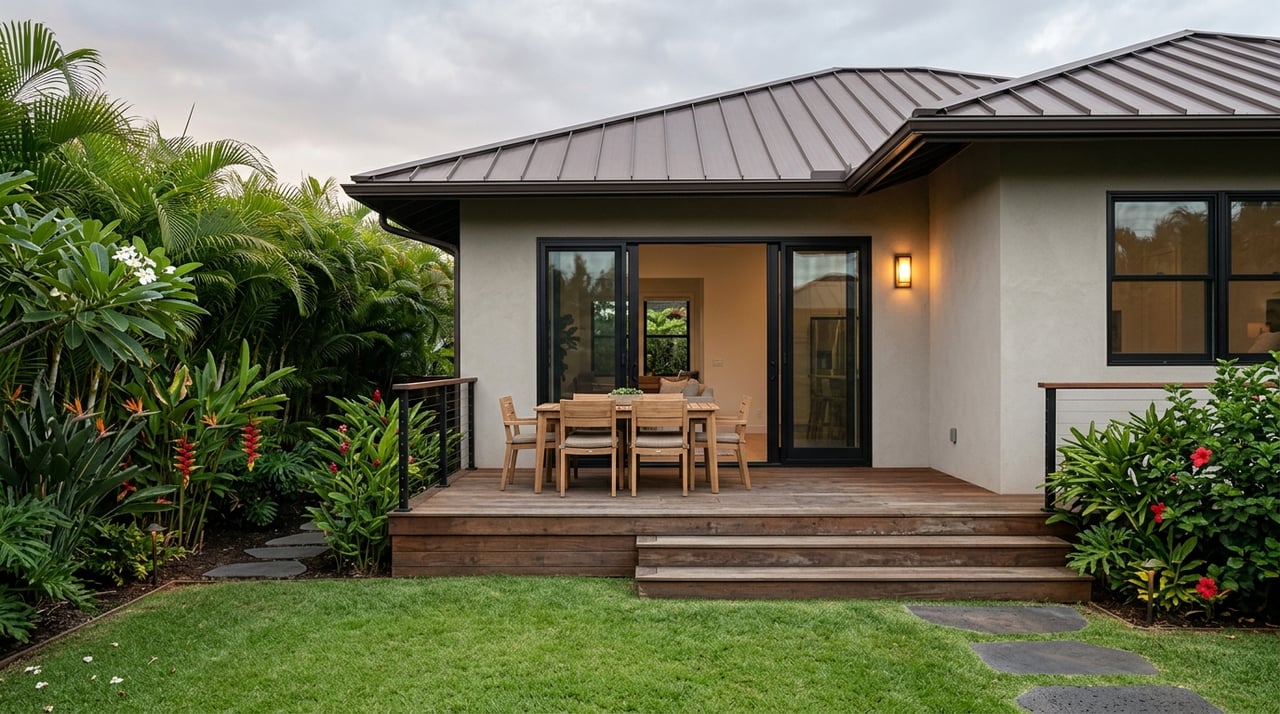
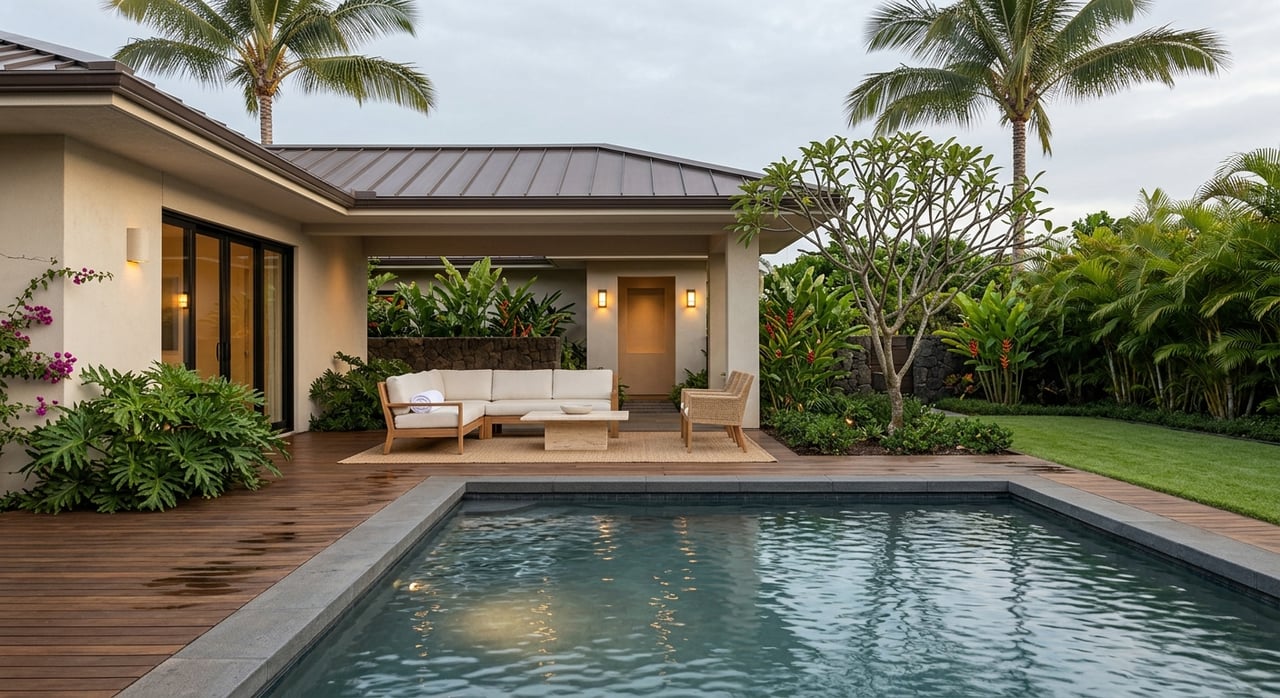
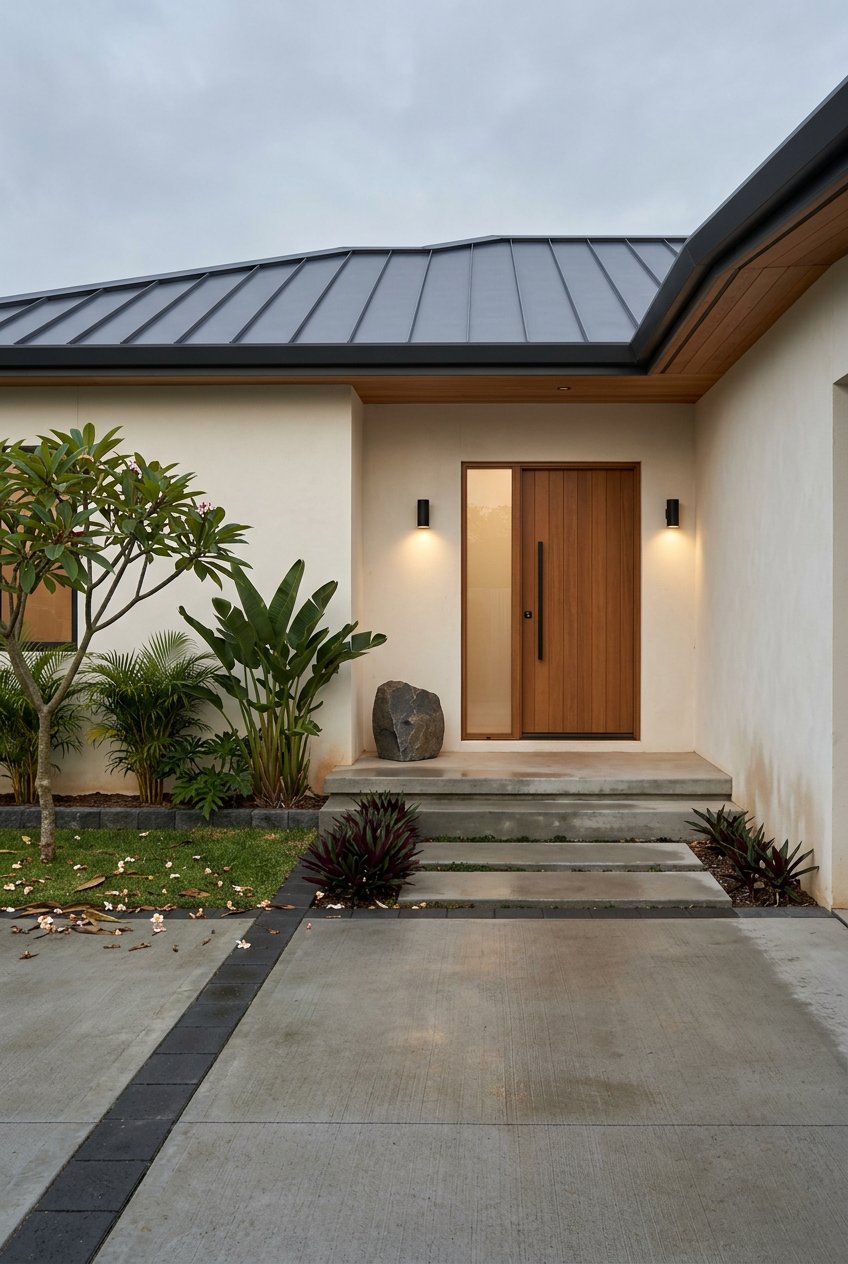
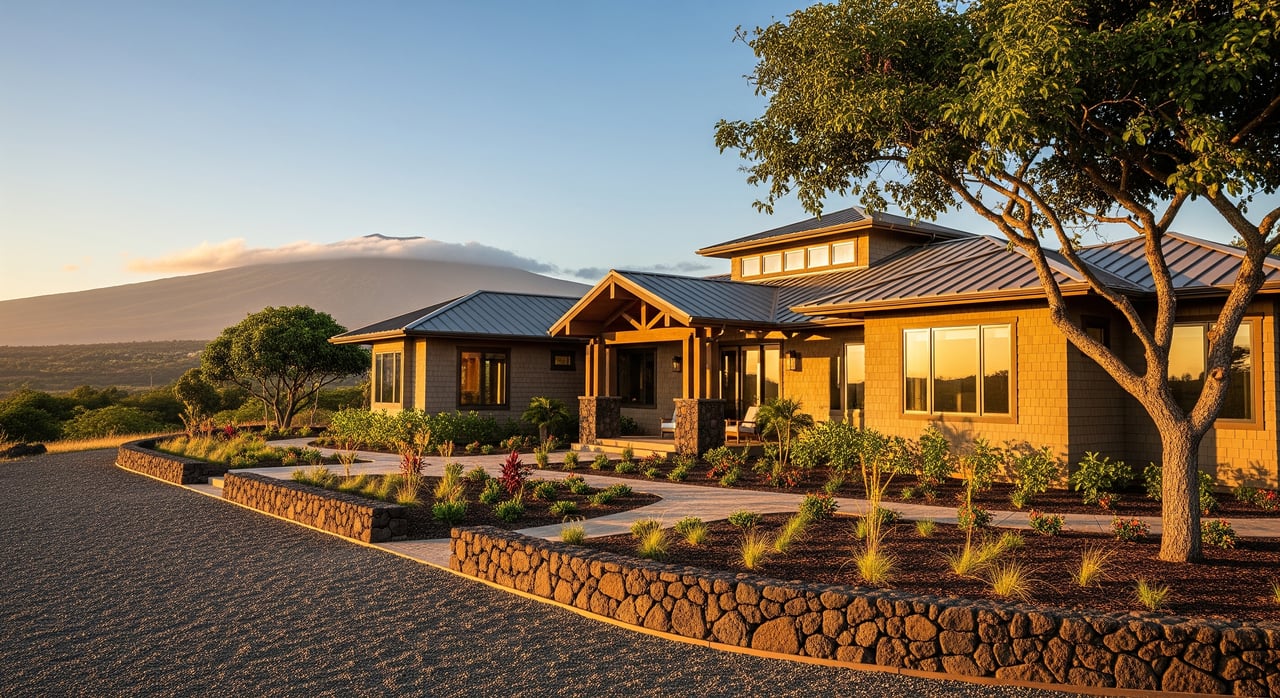
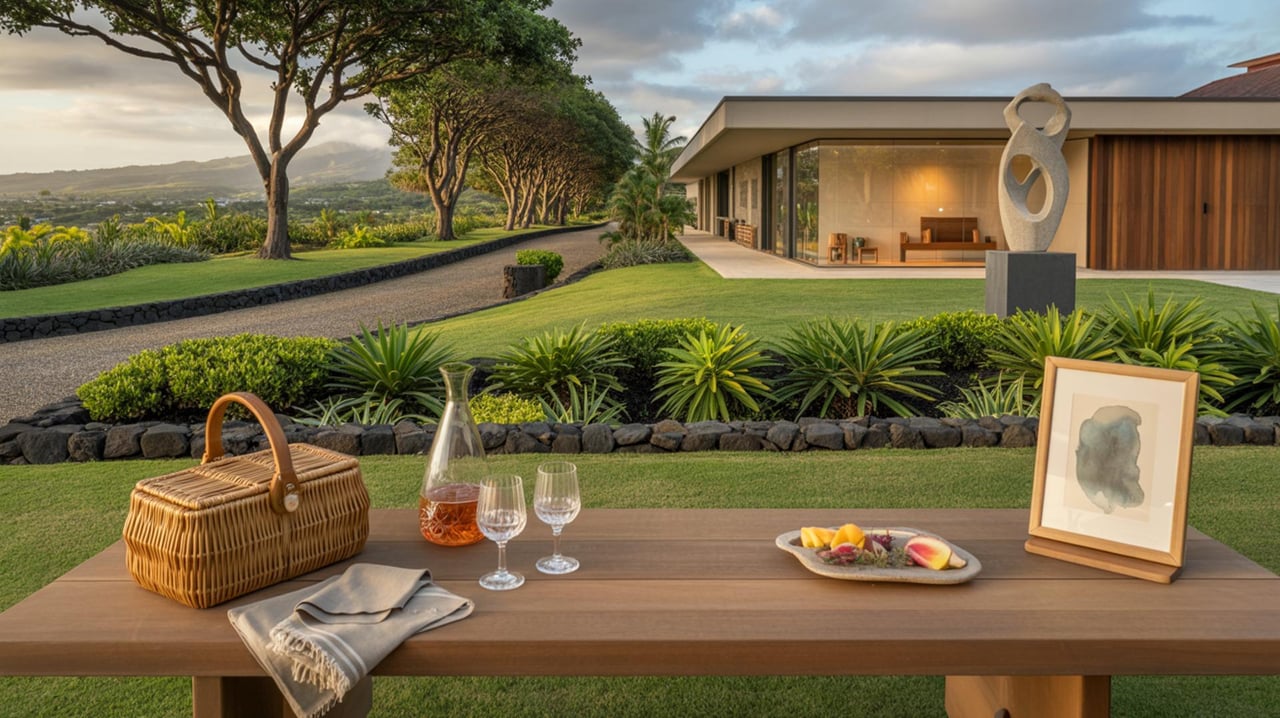
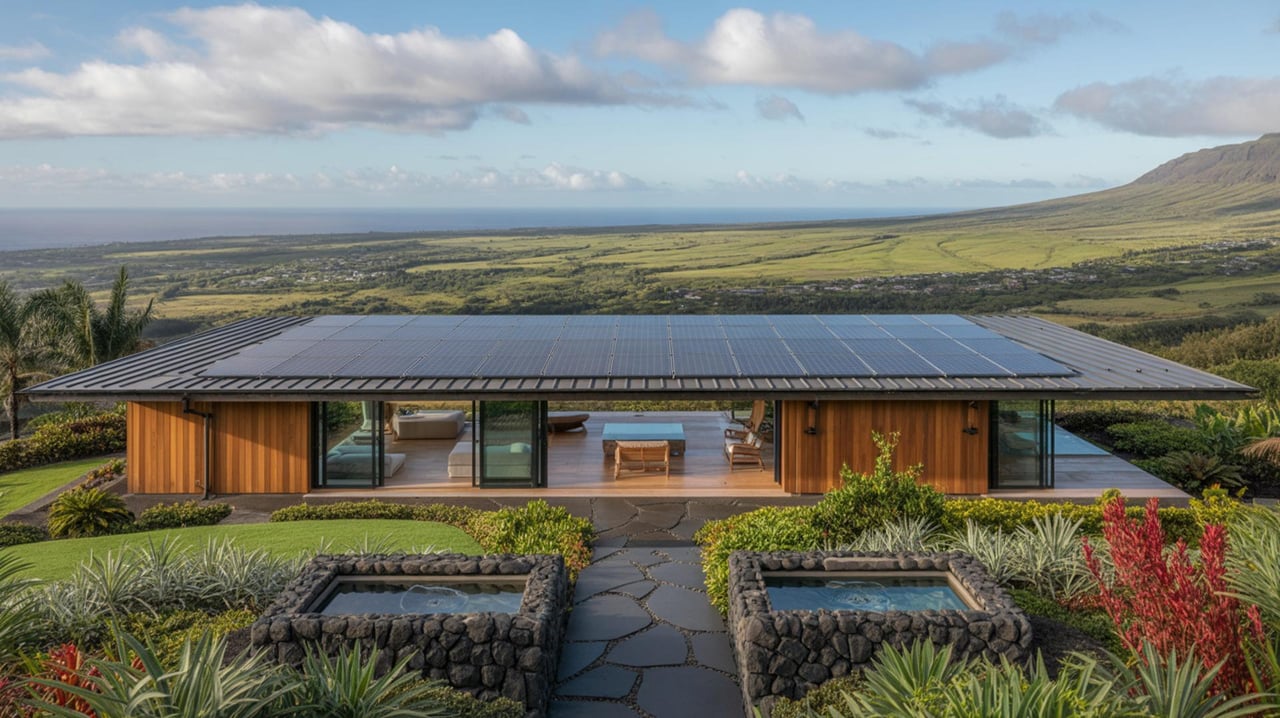
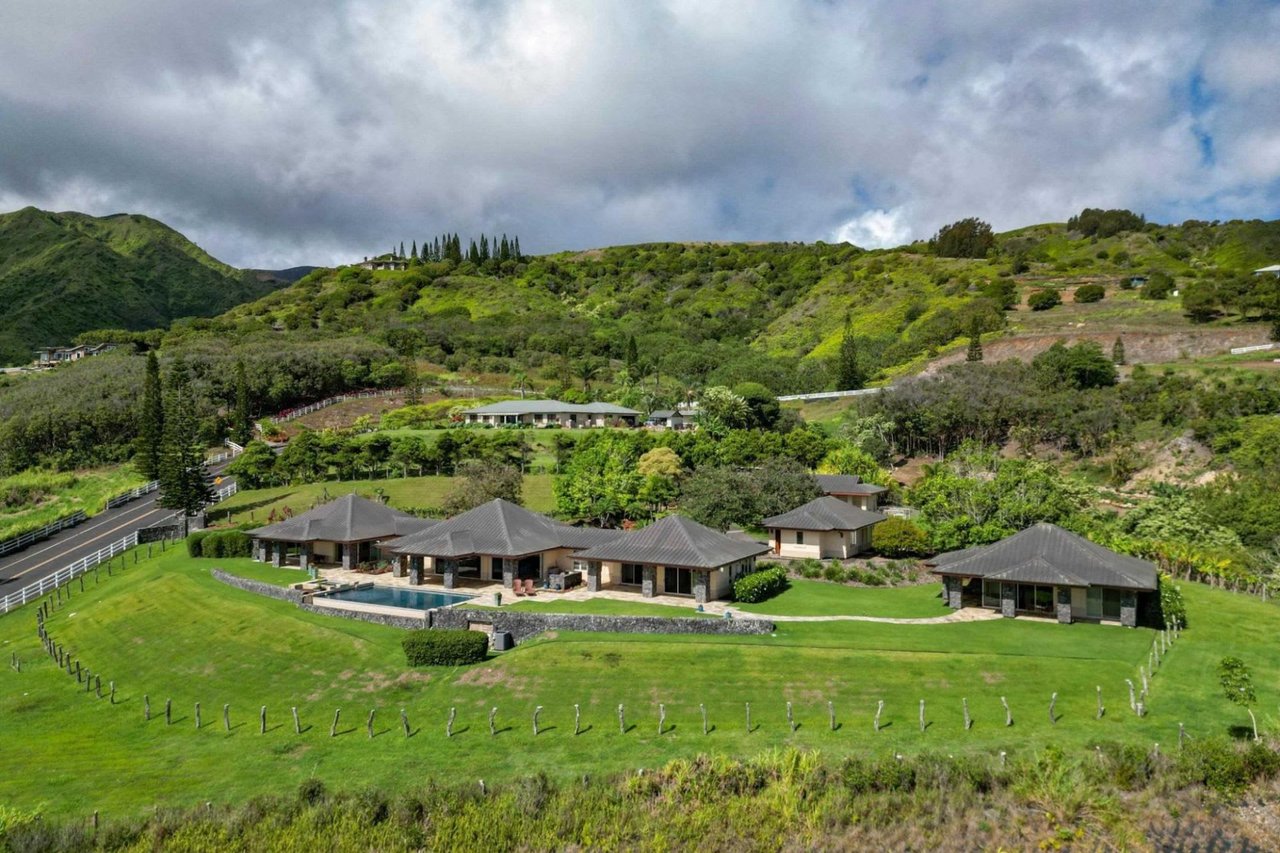
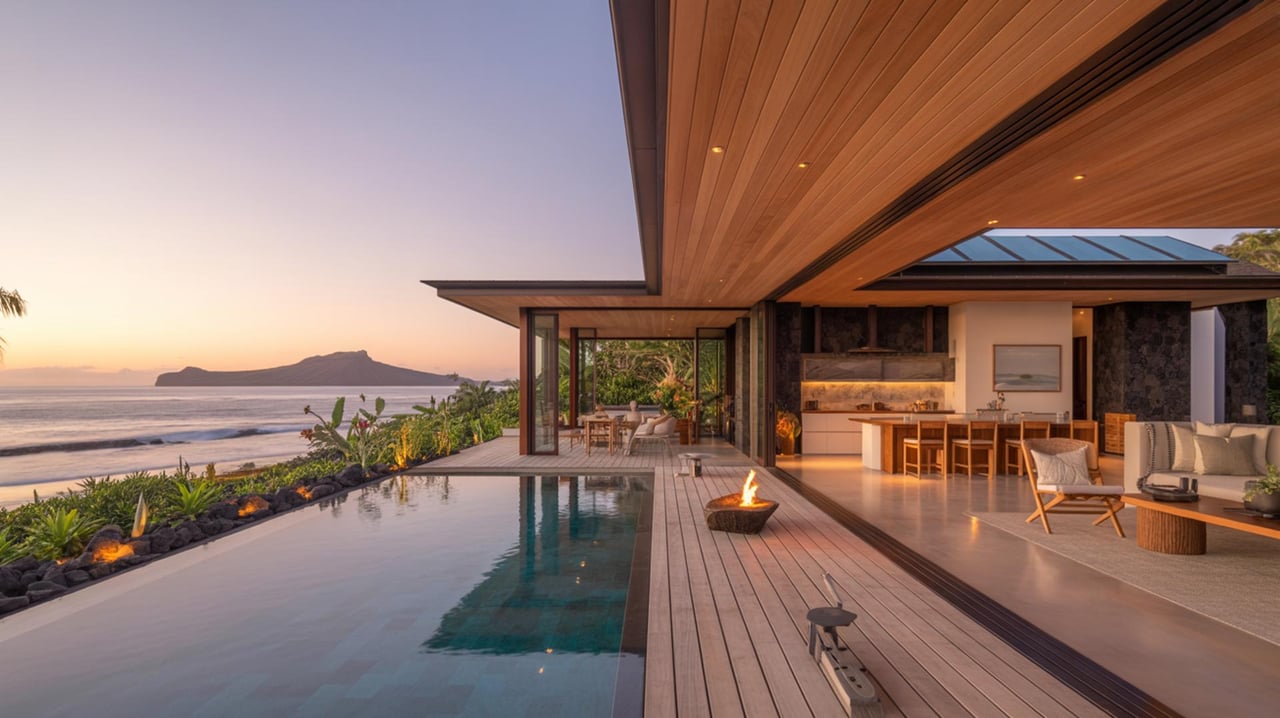
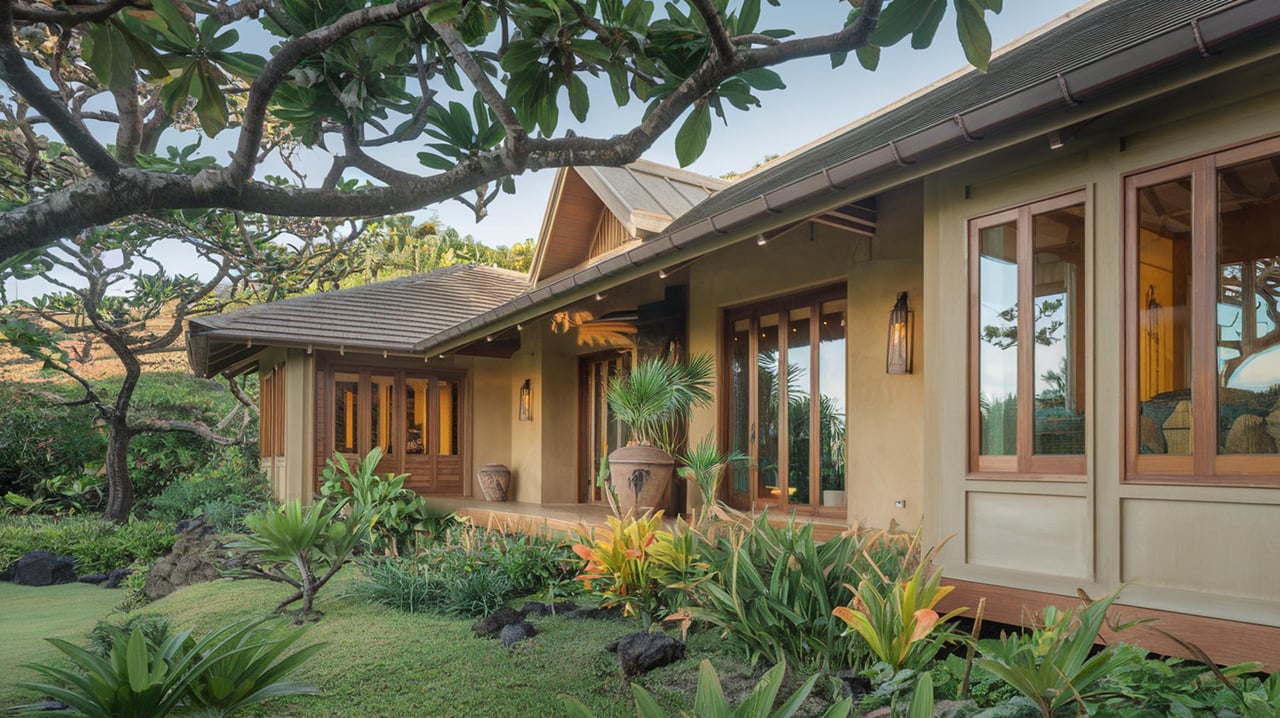
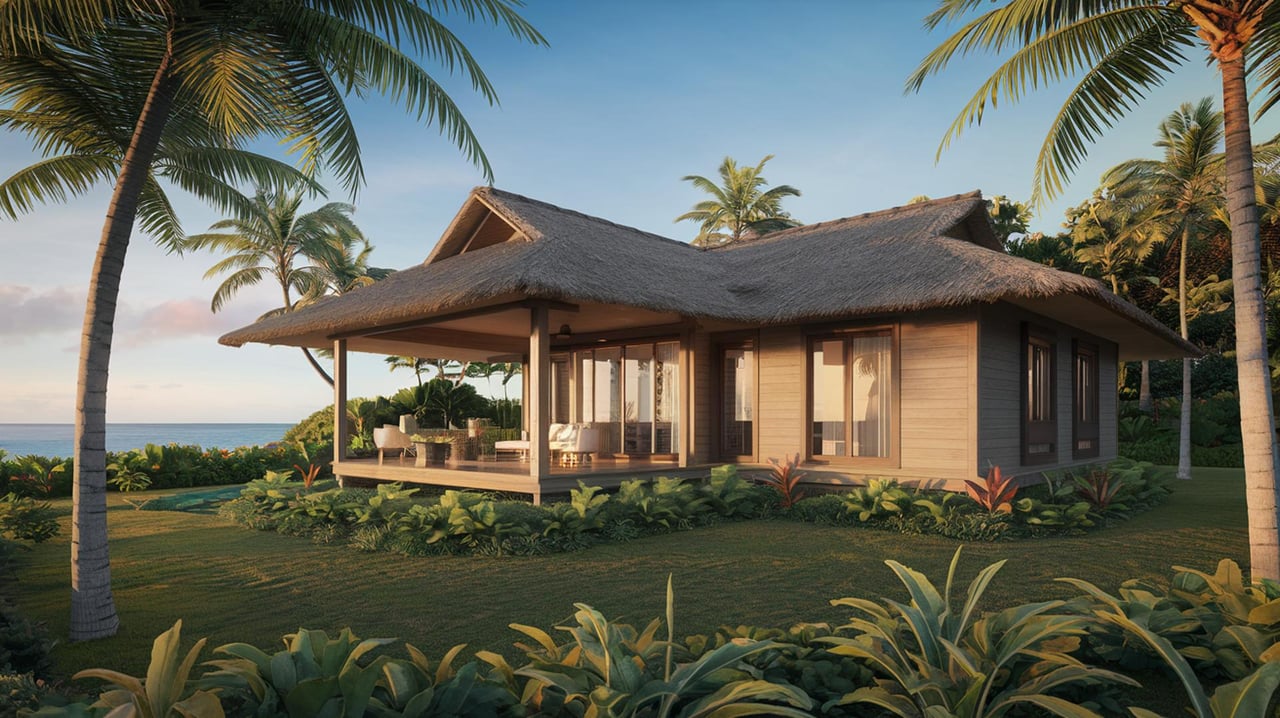
Housing ranges from plantation-era cottages and modest single-level homes to newer custom builds and small-acreage farm properties. Lots tend to be larger than in urban neighborhoods, and some properties include greenhouses, orchards or other agricultural infrastructure.
Zoning in Haiku includes agricultural, country and residential. Zoning impacts what you can build, permitted uses, subdivision potential and taxes. Always verify parcel-specific rules with Maui County Planning.
Short-term rentals follow specific county regulations. Rules change over time and are enforced at the county level. If you are considering rental use, confirm permitting status and zoning directly with Maui County Planning before you buy.
Buyer checklist: What to verify
A little preparation goes a long way in rural areas. Use this quick list as a starting point and add items specific to your needs.
- Title search, easements and any agricultural or conservation restrictions.
- Water source: County meter, private well or rain catchment. Confirm rights and capacity with the County.
- Septic system size, permit records and inspection report.
- Zoning and permitted uses with Maui County Planning. Ask about building permits, setbacks and any shoreline-related rules.
- Hazard screening: flood, landslide, wildfire and tsunami exposure using county and state resources.
- Homeowners insurance quotes that reflect site-specific hazards.
- Internet and cell coverage checks with on-site speed tests and provider confirmations like Hawaiian Telcom.
- On-site visits at different times of day to gauge light, rain, noise and commute.
Lifestyle tradeoffs to consider
Haiku rewards you with space, greenery and a strong connection to the outdoors. You get quiet evenings, ocean access within a short drive and fresh produce year-round. You also accept longer drives to big-box stores and medical specialists, as well as rural infrastructure that needs hands-on care.
If you love the idea of trading proximity for peace, Haiku may fit your style. If you prefer walkable retail, nightlife and dry, sunny weather most days, consider South Maui resort zones instead. Either way, visiting at different times and seasons will help you know for sure.
Ready to explore homes and see whether Haiku matches your day-to-day needs? Connect with a local, relationship-driven team that understands Maui’s microclimates, rural systems and permitting. Reach out to Leslie-Ann Yokouchi for thoughtful guidance and a clear plan for your move.
FAQs
How long is the drive from Haiku to Kahului Airport?
- Most addresses reach Kahului in about 15 to 30 minutes depending on your exact location and traffic.
What utilities are common for Haiku homes?
- Many properties use septic for wastewater and either County water, private wells or rainwater catchment, with internet ranging from wired broadband to fixed wireless or satellite.
Are short-term rentals allowed in Haiku?
- Maui County regulates transient vacation rentals and permitting, so you must verify zoning and permit status with Maui County before planning any rental use.
What hazards should I consider when buying in Haiku?
- Heavy rain, localized flooding, landslides on steep terrain, tropical storms and evolving wildfire risk; review official county and state hazard resources and get insurance quotes early.
How is school access for Haiku residents?
- Haiku has local elementary options, while many middle and high school students travel to schools in nearby North Shore and Upcountry areas; confirm zones with the Hawaii DOE.