Trying to choose between a condo and a house in Central Maui? You are not alone. Many buyers in Wailuku, Kahului, and nearby areas are weighing a lower entry price against more space, more control, and different long-term costs. The right answer depends less on property type alone and more on how you want to live, what you want to spend each month, and how you may use the property later. Let’s dive in.
Central Maui prices set the starting point
For many buyers, the condo-versus-house decision starts with budget. Maui County sales data from Hawaii REALTORS shows a wide gap between countywide median prices for single-family homes and condos in early 2026.
In January 2026, the county median sale price was $1.445 million for single-family homes and $629,950 for condos. In February 2026, the county median was $1.25 million for single-family homes and $847,500 for condos. These are countywide numbers, not Central Maui-specific, but they help show why many buyers begin their search by comparing condos in Wailuku or Kahului with houses in the same general area.
Condo ownership works differently
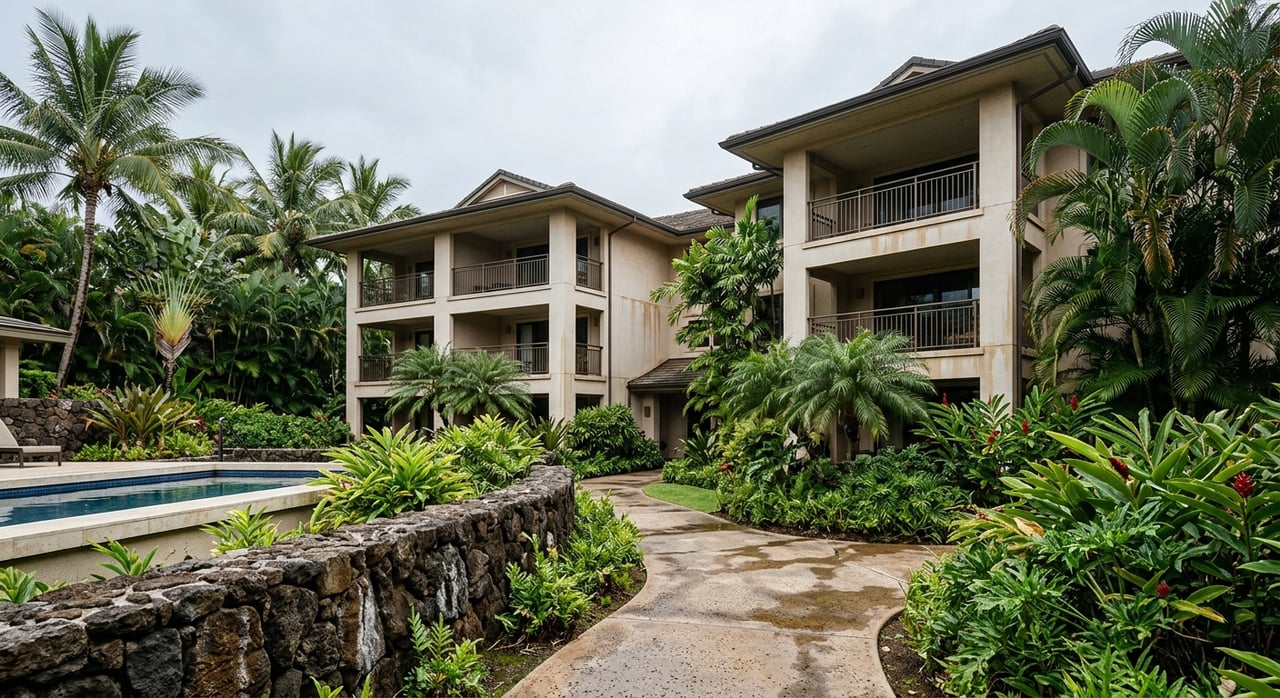
A condo is not just a smaller home with shared walls. In Hawaii, a condominium is a form of ownership where you own your unit plus an undivided interest in the common elements of the project.
That matters because your ownership comes with a set of shared rules, responsibilities, and costs. A condo project may include apartments, townhomes, or even detached homes, so the legal structure matters as much as the physical look of the property.
House ownership usually gives you more direct control
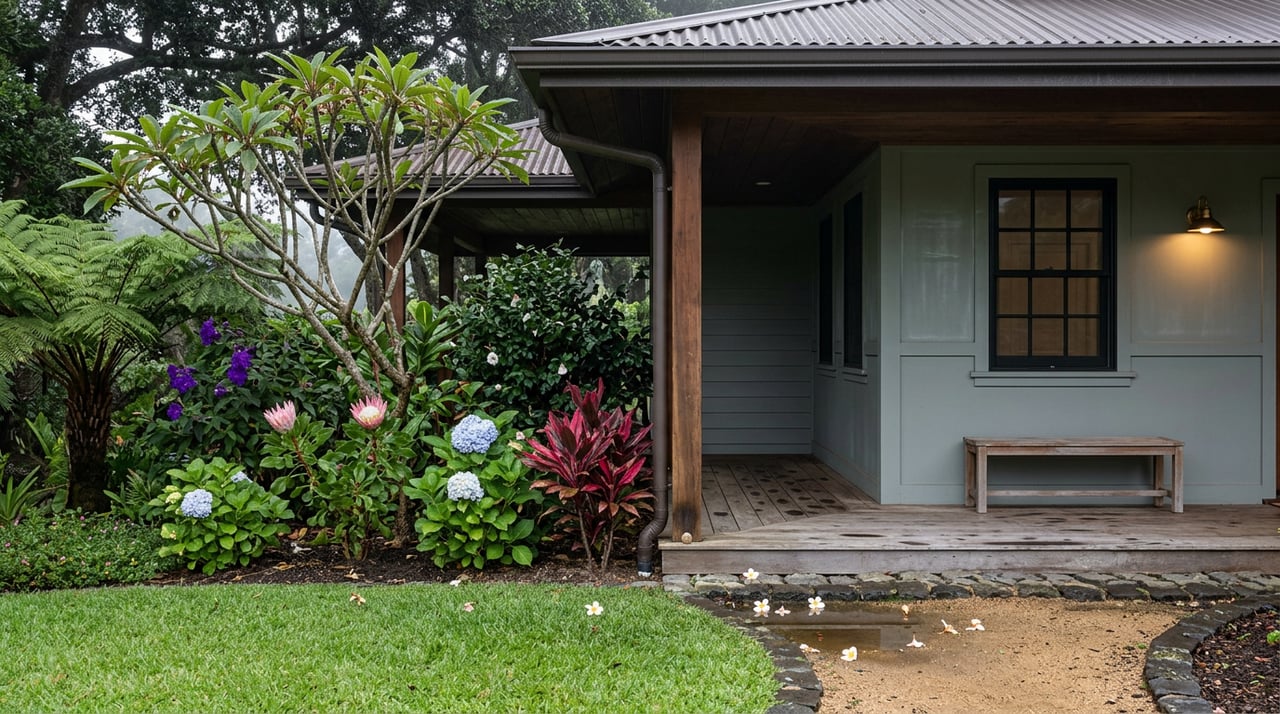
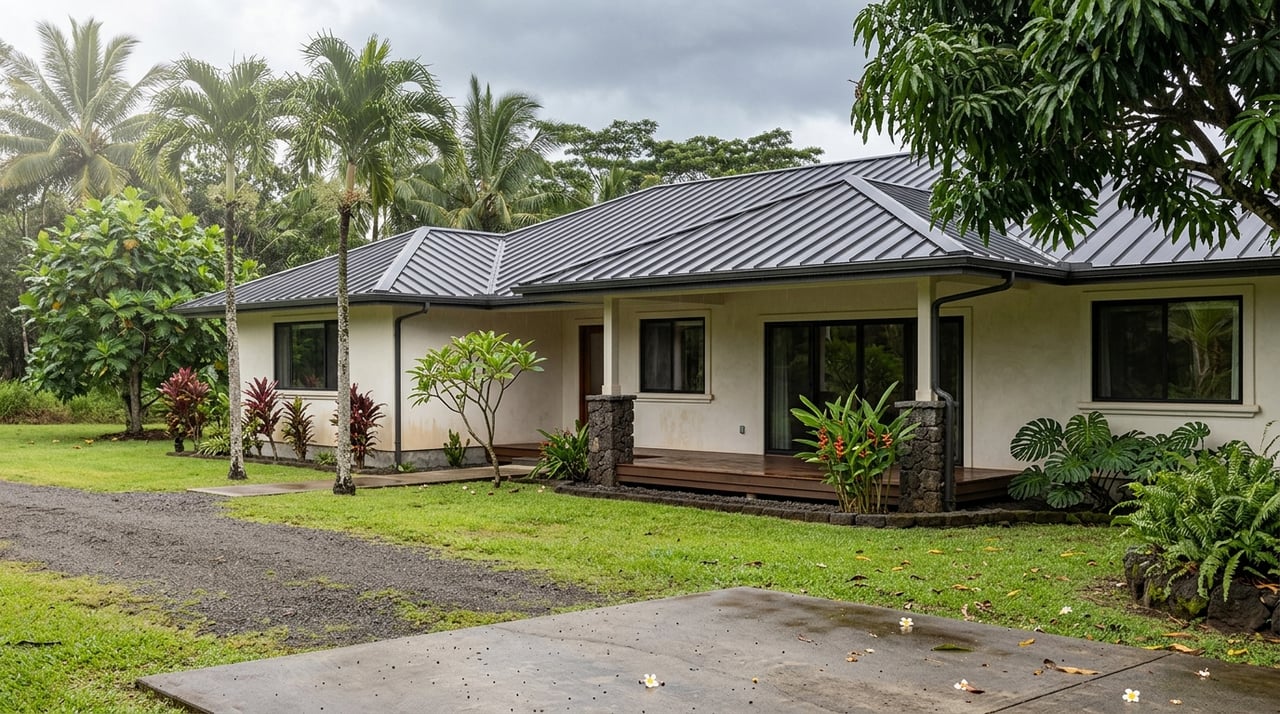
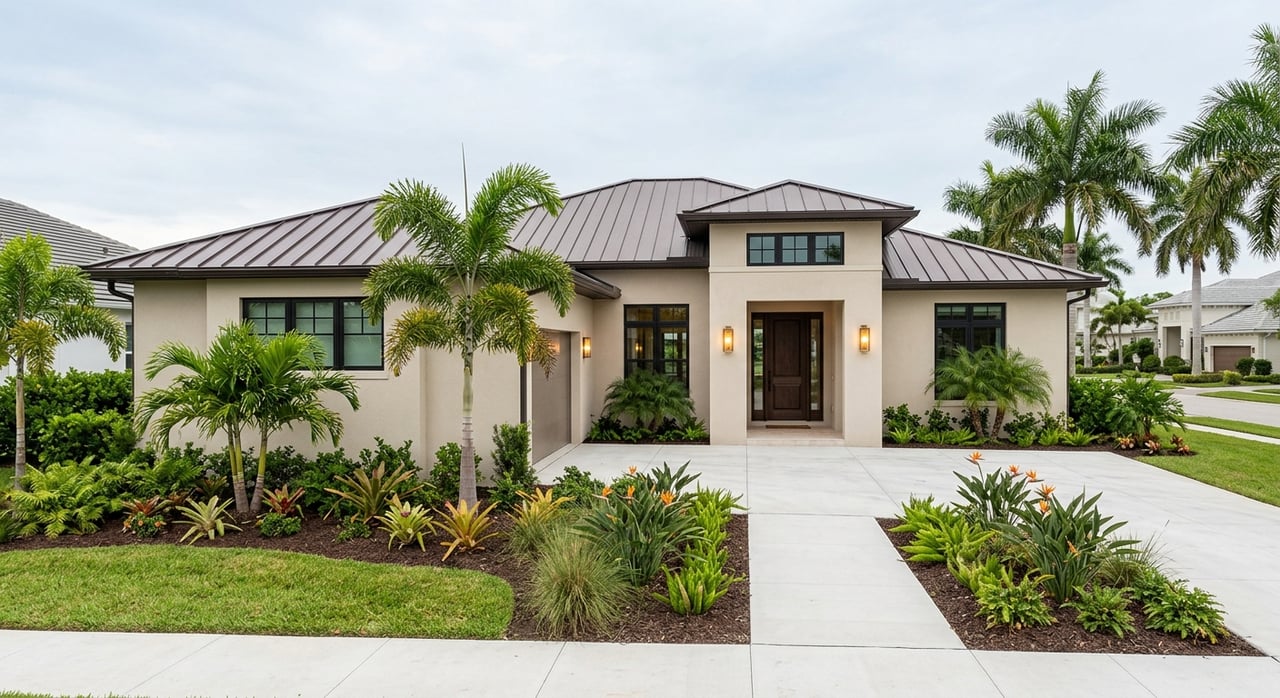
A single-family home often gives you more direct control over the exterior, yard, and daily use of the property. You generally do not have a condo association managing common elements, although some detached homes are still part of a homeowners or planned community association.
That said, owning a house does not mean zero outside responsibilities. Maui County assigns certain maintenance duties to the property owner, including areas like driveways and sidewalks or shoulder areas abutting the property.
Lifestyle fit often decides it
If you want a more lock-and-leave setup, a condo may fit your lifestyle better. Many condo projects handle shared upkeep and may provide services such as trash pickup or security, depending on the project.
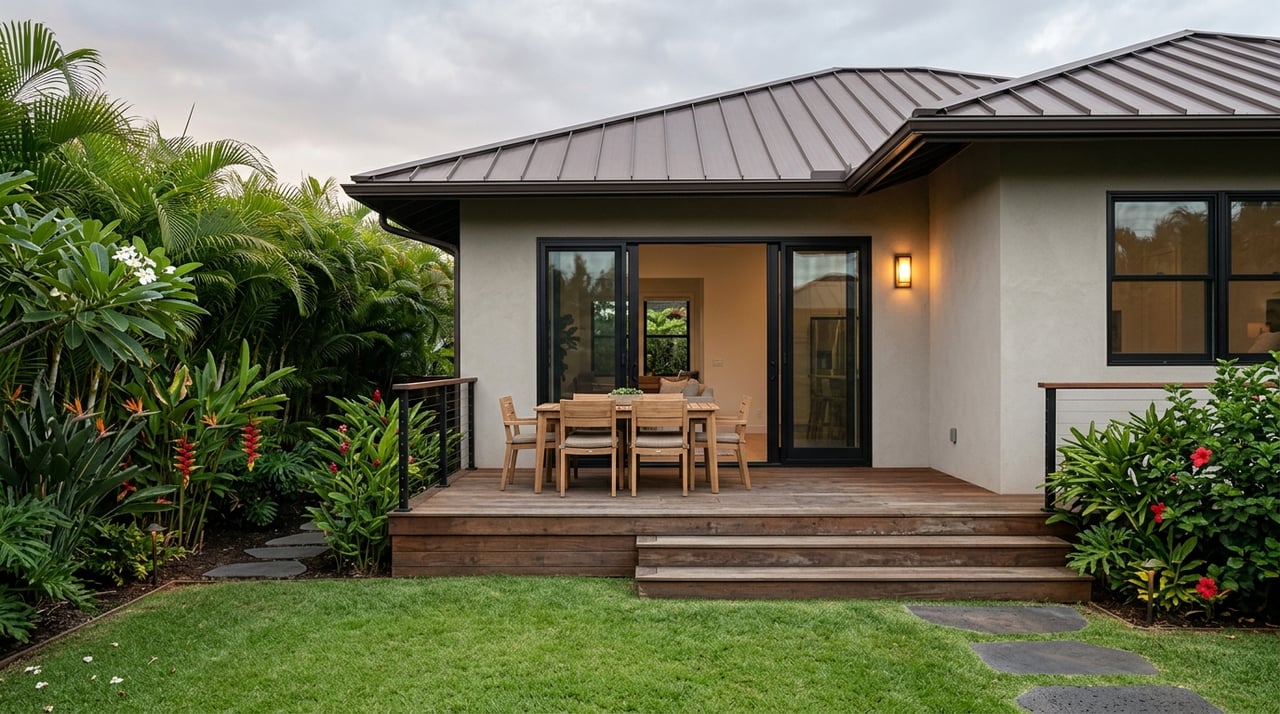
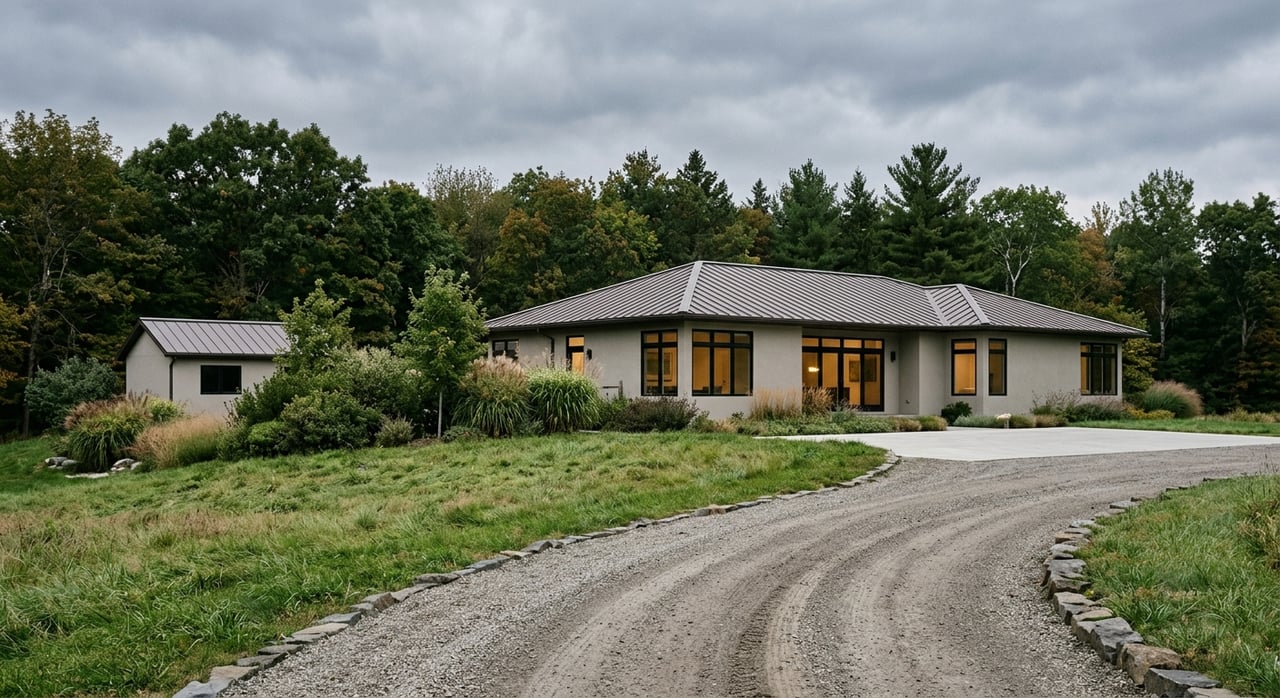
If you want more privacy, outdoor space, or storage, a house may feel like a better match. A detached home also tends to give you more flexibility in how you use the exterior, though any community rules still matter.
Monthly cost matters more than price alone
A lower purchase price does not always mean a lower monthly cost. This is one of the biggest reasons buyers should compare the full carrying cost of a condo and a house before making a decision.
With a condo, you may have a smaller mortgage payment but also monthly HOA dues, reserve contributions built into dues, and unit-level insurance needs. With a house, you may avoid condo dues but take on more direct maintenance, repair, and site-related costs yourself.
What condo dues help cover
Condo dues help fund common expenses and reserves. Reserves are intended to help cover future costs such as roofs, paving, and equipment so owners are not hit with every expense all at once.
When reserves are too low, owners may face deferred repairs or special assessments. Hawaii condo guidance also notes that insufficient reserves can affect financing or resale.
Why HOA financial health matters
When you buy into a condo project, you are also buying into its financial condition. A well-run association with a realistic budget and reserve planning can help reduce surprise costs.
An underfunded association can create risk. Hawaii guidance notes that past-due common expense assessments can bear interest up to 18 percent per year, which shows how seriously associations treat unpaid dues.
Property taxes depend on use
In Maui County, property taxes are based on use and classification, not simply on whether the property is a condo or a house. This is an important point because two homes with different uses can be taxed very differently.
If a property is your principal home and you qualify for the home exemption, it may be taxed in the owner-occupied class. Maui County’s home exemption reduces taxable assessed value by $300,000, but you must meet the county’s requirements, including occupying the property for more than 270 days per year, not renting the entire premises, filing a Hawaii resident tax return with a Maui County address, and staying current on property taxes.
A condo can qualify too
Many buyers assume a house gets a better tax break than a condo, but that is not necessarily true. A condo can receive the same owner-occupied treatment as a house if it is your principal residence and you meet the county rules.
That means your tax classification may depend more on how you use the property than on the property type itself. For buyers planning to live full-time in Central Maui, that distinction is worth reviewing early.
Maui County owner-occupied tax rates
Maui County’s 2025 owner-occupied tax rate is:
- $1.65 per $1,000 for the first $1.3 million of net taxable value
- $1.80 per $1,000 for $1.3 million to $4.5 million
- $5.75 per $1,000 above $4.5 million
Other classifications can be higher, including apartment, long-term rental, and non-owner-occupied residential classes. That is why it is so important to confirm the current classification of any property you are considering.
Maintenance is different in each option
With a condo, the association usually operates the property, while each unit owner is responsible for maintenance, repair, and replacement inside the unit unless the governing documents say otherwise. In many attached projects, association insurance may cover certain common or limited common elements, but not your interior improvements or furnishings.
Flood insurance may also be required if the property is in a special flood hazard area. This is one reason condo buyers should look closely at both association insurance and their own likely coverage needs.
With a house, you usually manage the full property yourself or hire out the work. That can mean more responsibility, but it also gives you more control over timing, vendors, and decisions.
Future plans should shape your choice
The best fit today should also support your plans for tomorrow. If you think you may eventually rent the property, remodel it, or use it differently later, those questions should be part of your decision now.
For condos, the governing documents are critical. Hawaii condo law allows associations to adopt rules, enforce violations with fines, and hold owners responsible in certain situations involving tenants.
For houses, county permitting still matters for future uses. Maui County says short-term rental home permits are subject to community-plan-region limits, so buyers should verify what is allowed before counting on future rental income.
Do not assume flexibility
Some buyers see a house as the more flexible option and a condo as the more restricted one. In practice, the answer depends on the specific property, community rules, and county requirements.
That means the real question is not only condo or house. It is whether this particular condo project or this particular home supports the way you want to live now and in the future.
A practical Central Maui checklist
Before you decide, compare both options side by side using the same checklist.
- Compare purchase price with total monthly cost, not just mortgage payment
- Confirm the current property tax classification
- Review whether you may qualify for the Maui County home exemption
- Ask what HOA dues cover and whether any special assessments are pending
- Review condo documents such as the declaration, bylaws, budget, reserves, condominium map, and insurance coverage
- Confirm whether a detached home is part of an HOA or planned community association
- Ask about rules for pets, parking, remodeling, and renting
- Verify county permitting requirements if future rental use is part of your plan
How to decide what fits you best
A condo may be the better fit if you want a lower entry price, shared upkeep, and a more streamlined day-to-day lifestyle. A house may be the better fit if you value more privacy, outdoor space, and greater direct control over the property.
Neither option is automatically better in Central Maui. The smartest choice is the one that lines up with your budget, your comfort with maintenance, your tax position, and your long-term plans.
If you want help comparing real Central Maui options and understanding how the details affect your monthly cost and flexibility, Leslie-Ann Yokouchi can help you sort through the numbers and find the right fit for your lifestyle.
FAQs
What is the main difference between a condo and a house in Central Maui?
- A condo is a shared ownership structure with common elements, association rules, and monthly dues, while a house usually gives you more direct control over the property and more owner-managed maintenance.
Can a Maui condo qualify for owner-occupied property tax treatment?
- Yes. In Maui County, a condo can qualify for owner-occupied treatment if it is your principal residence and you meet the county’s home exemption requirements.
What should Central Maui condo buyers review before making an offer?
- Buyers should review the declaration, bylaws, condominium map, budget, reserves, insurance coverage, dues, and any rules related to pets, parking, renting, and remodeling.
Are houses in Central Maui always free from association rules?
- No. Some detached homes are part of homeowners or planned community associations, so buyers should confirm whether any rules or fees apply.
Why do HOA reserves matter for a Maui condo purchase?
- Reserve funding helps cover future major expenses like roofs, paving, and equipment, and low reserves may lead to special assessments, deferred repairs, or financing and resale concerns.
Does a lower condo price always mean lower monthly costs in Maui County?
- No. A condo may have a lower purchase price but still carry significant monthly costs once HOA dues, reserve funding, insurance, and taxes are factored in.
What should buyers ask about future rental use in Maui County?
- Buyers should verify the property’s governing rules, current tax classification, and any Maui County permitting or community-plan-region limits before relying on future rental potential.