Wondering what day-to-day life in Haiku really feels like? If you are drawn to open space, a slower pace, and a more rural Maui setting, Haiku often stands out for exactly those reasons. Understanding the rhythm of the area, the types of homes you may find, and the practical side of living there can help you decide whether it fits your lifestyle. Let’s dive in.
What Haiku Living Feels Like
Haiku sits within Maui County’s Paia-Haiku planning area, which county planning materials describe as rural, low-density, and intended to preserve small-town scale and rural character. That gives the area a very different feel from a typical subdivision or more built-up part of the island.
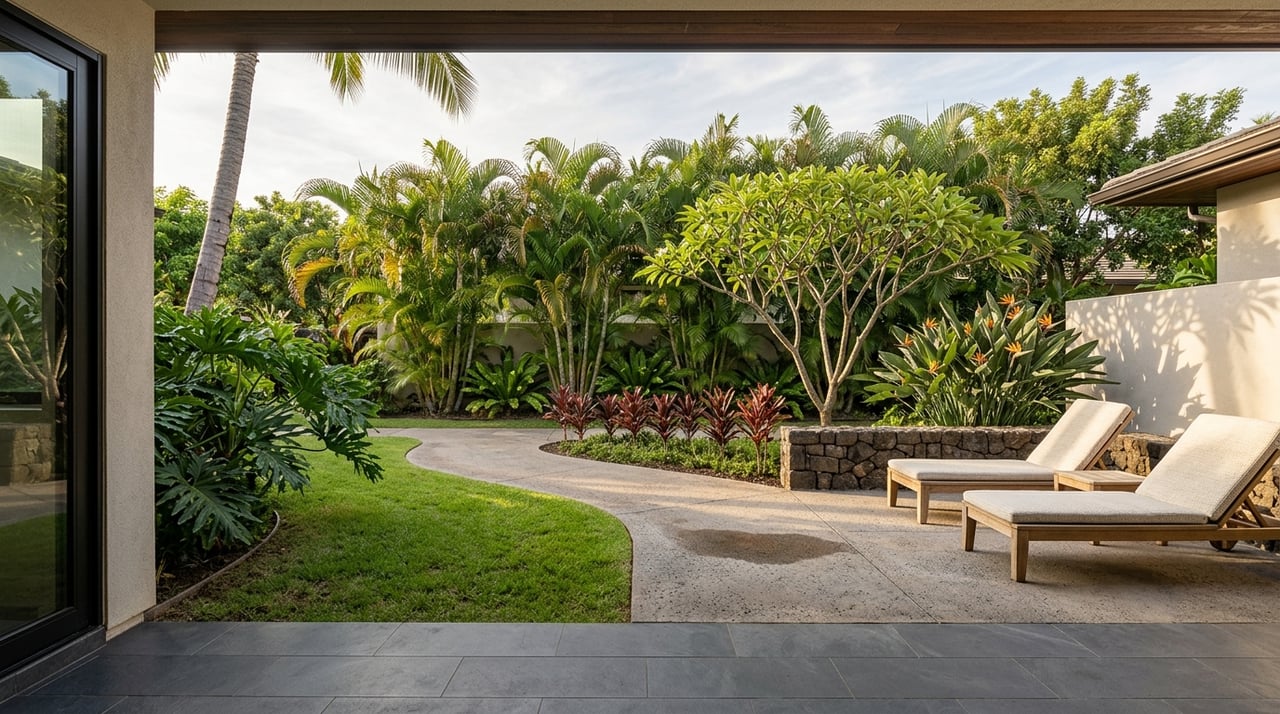
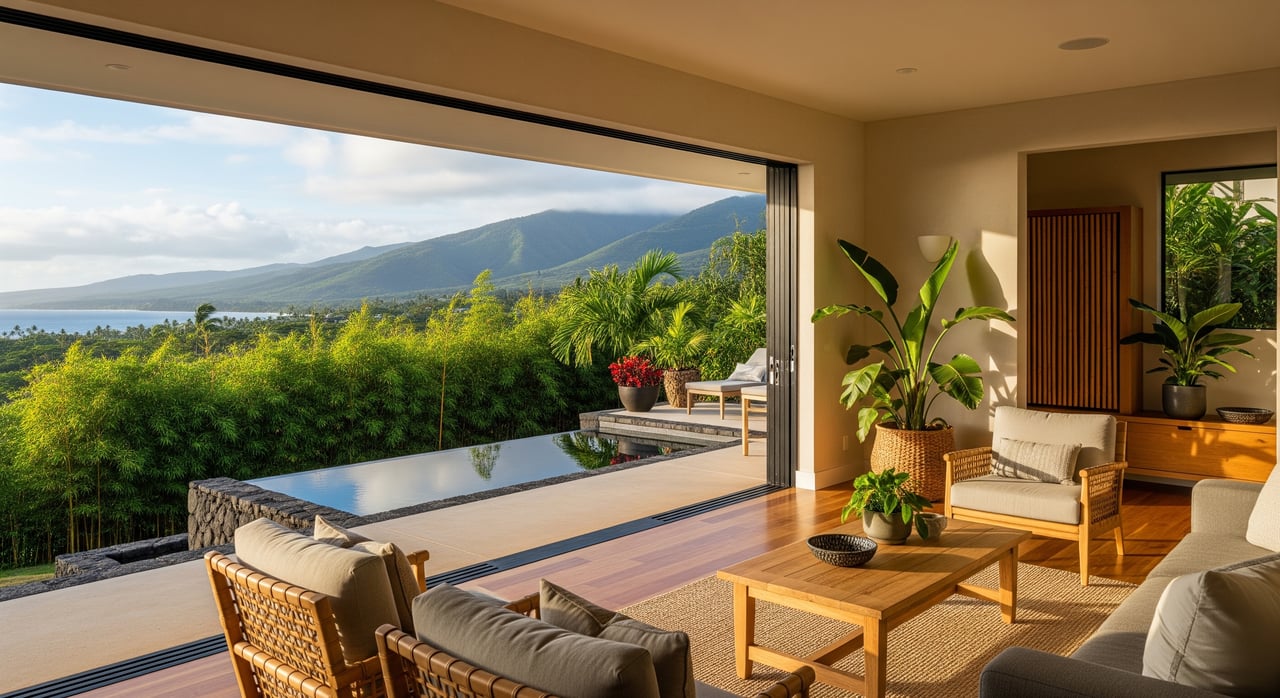
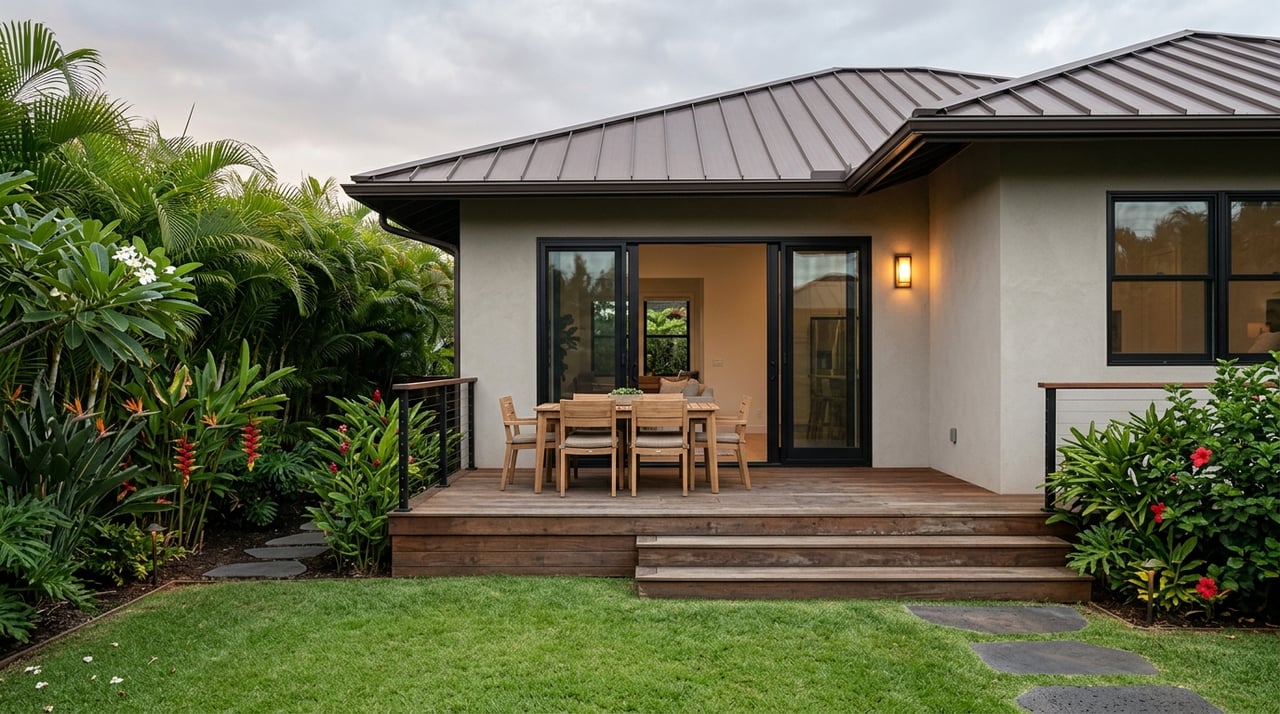
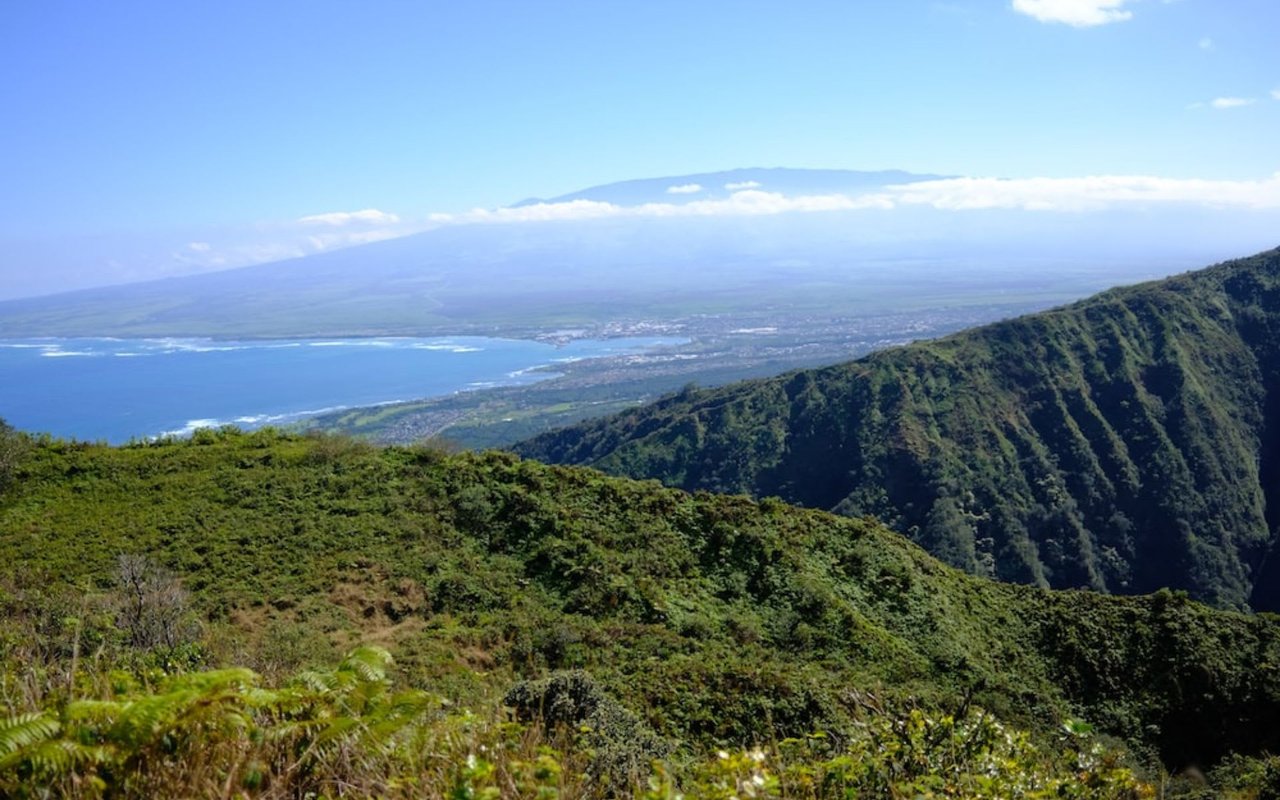
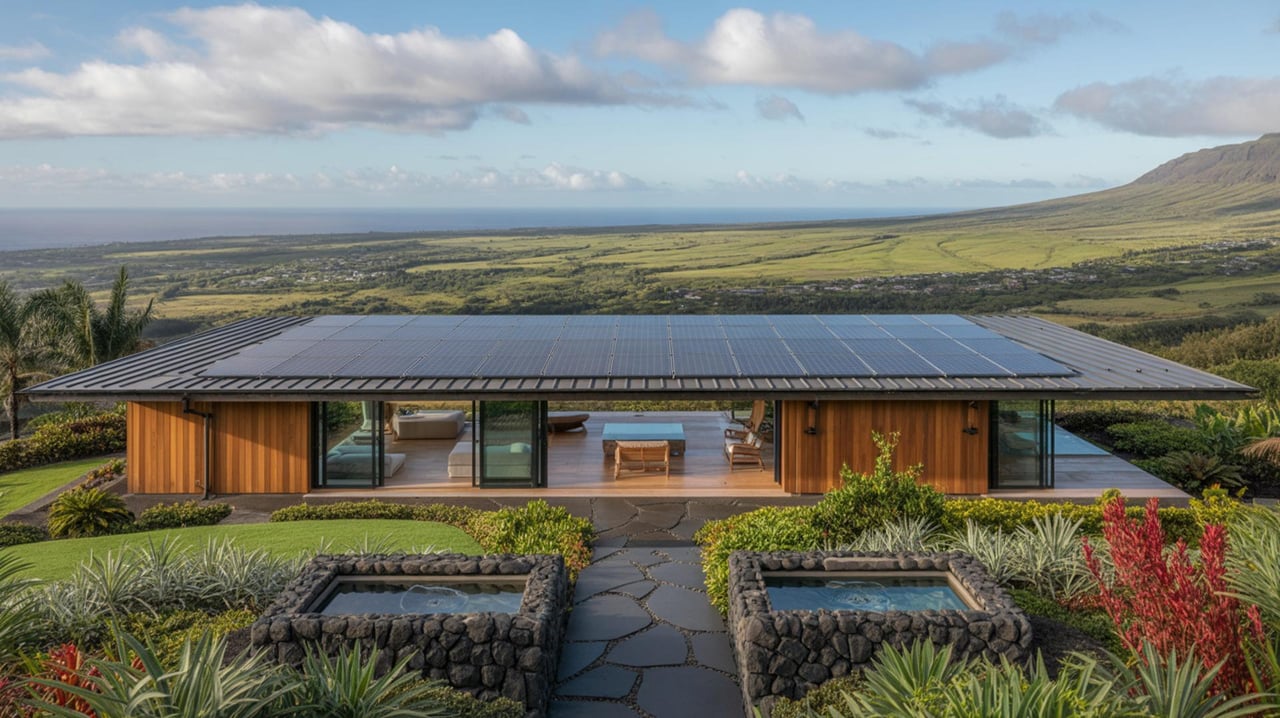
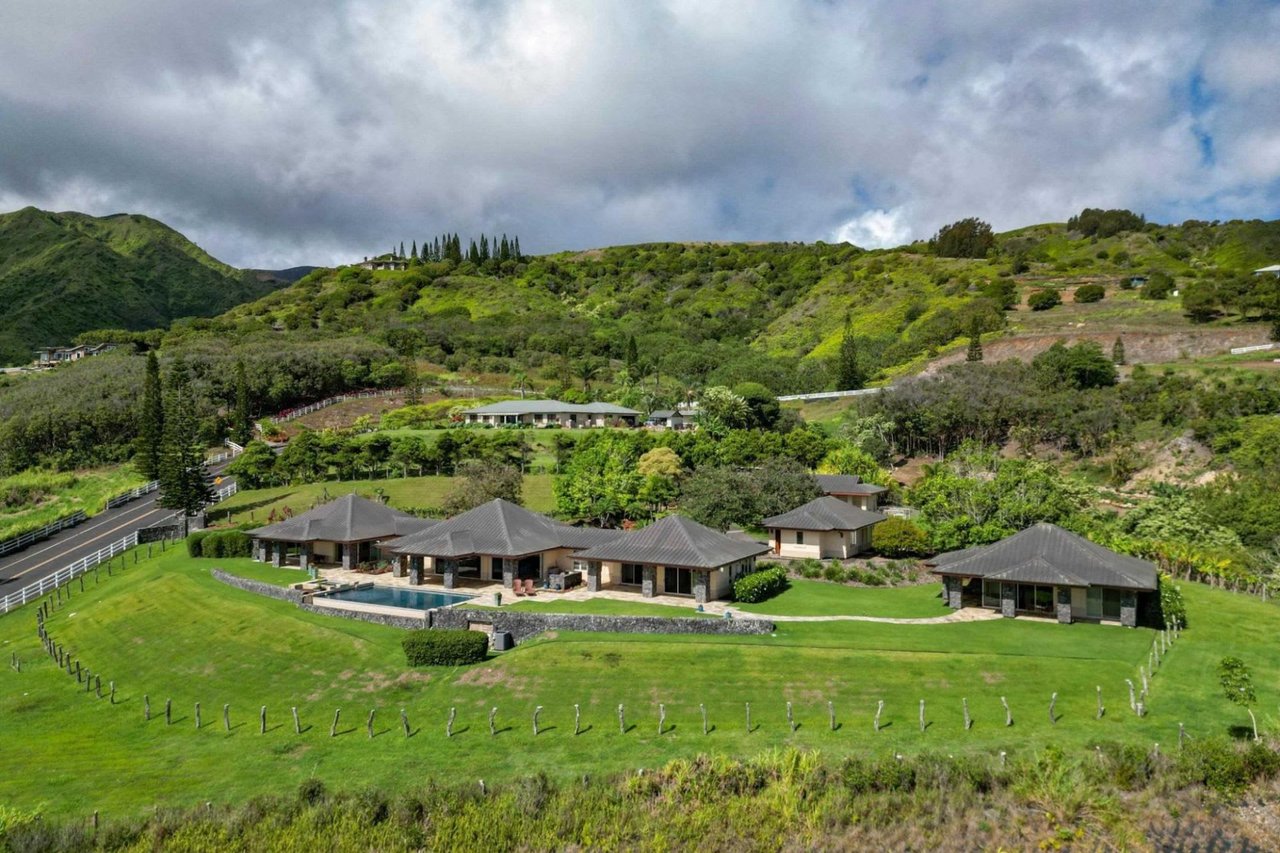
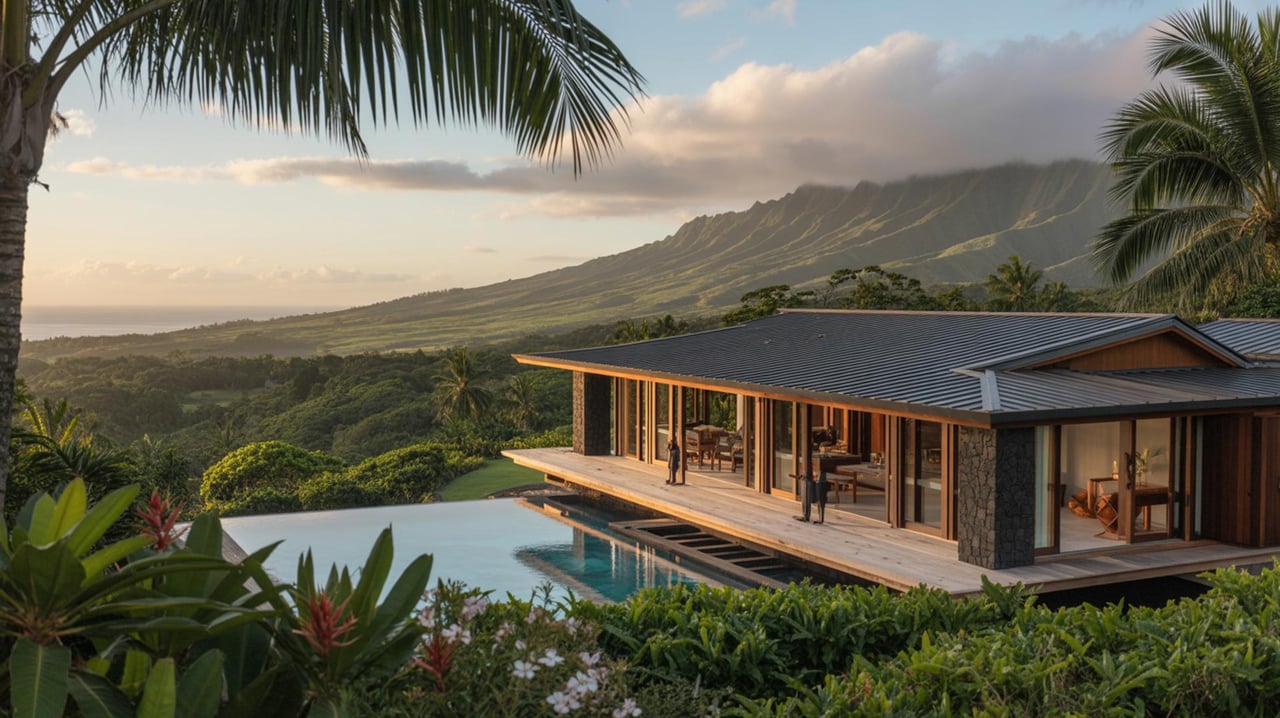
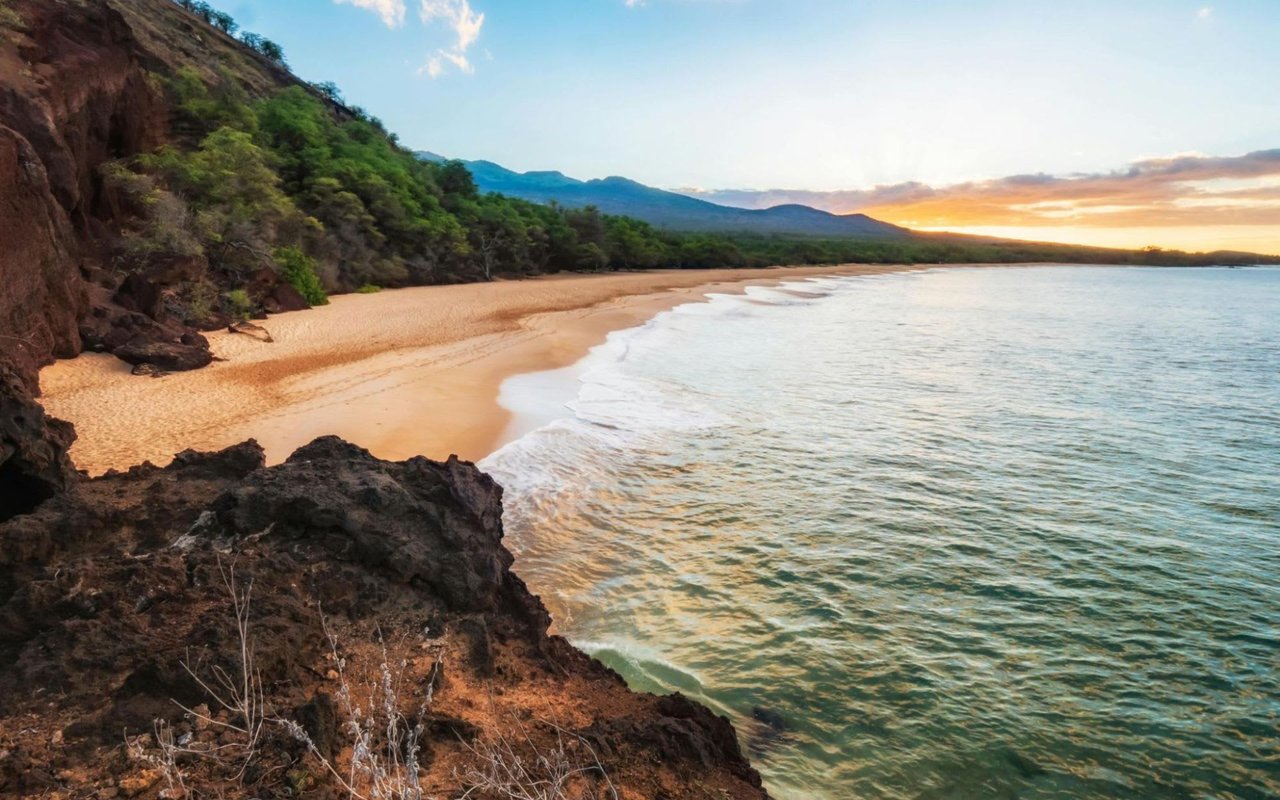
The landscape plays a big role in that experience. County guidance notes that Haiku rises from sea level to about 600 feet and is framed by gulches, forests, and pastures. For you, that often translates to a sense of openness, greenery, and separation between properties.
Space Matters in Haiku
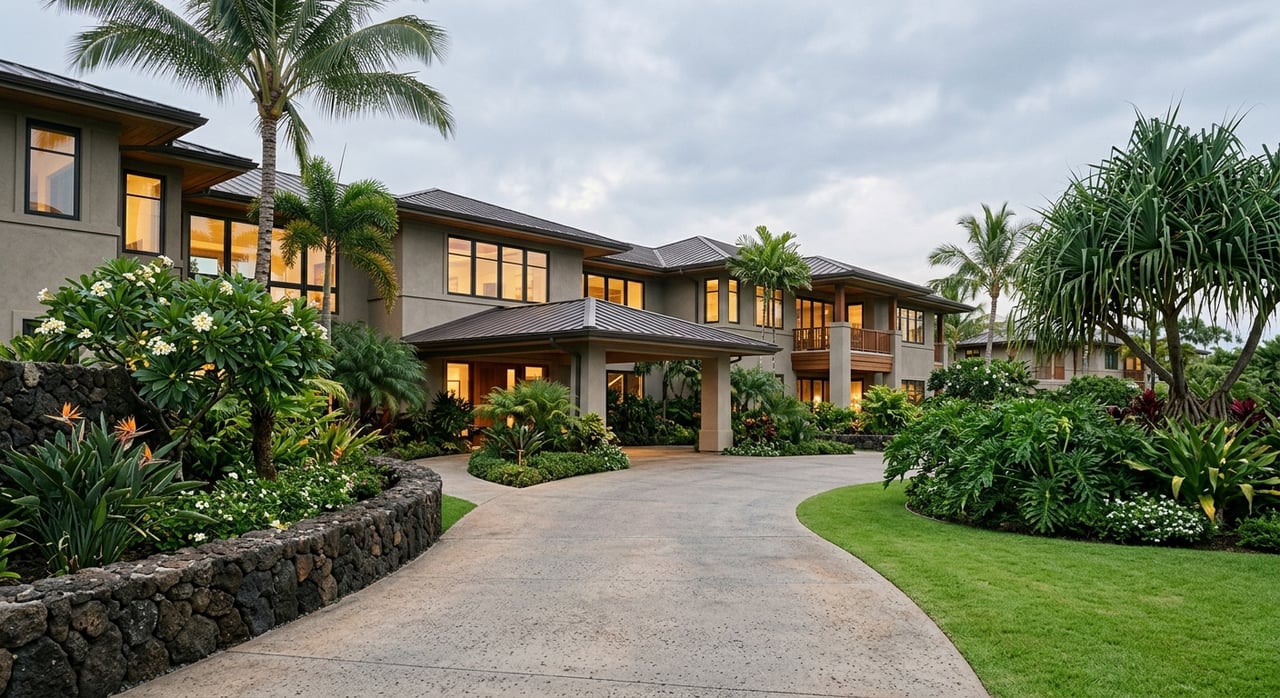
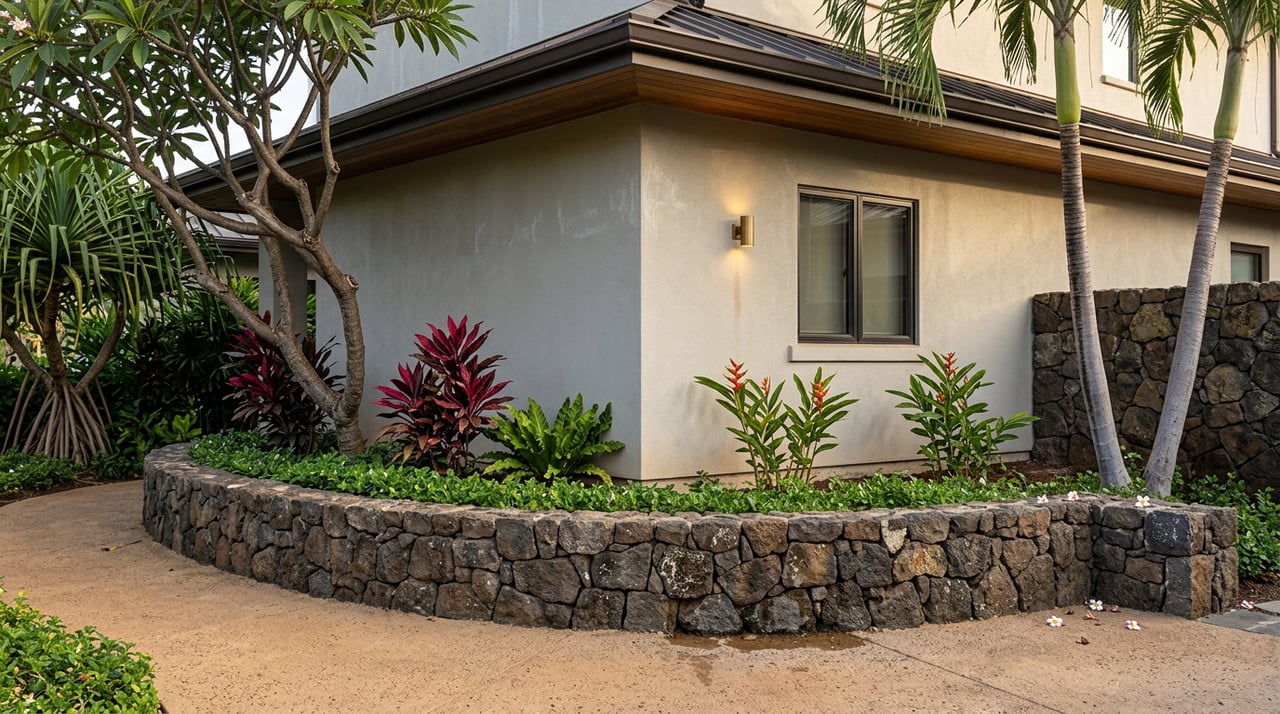
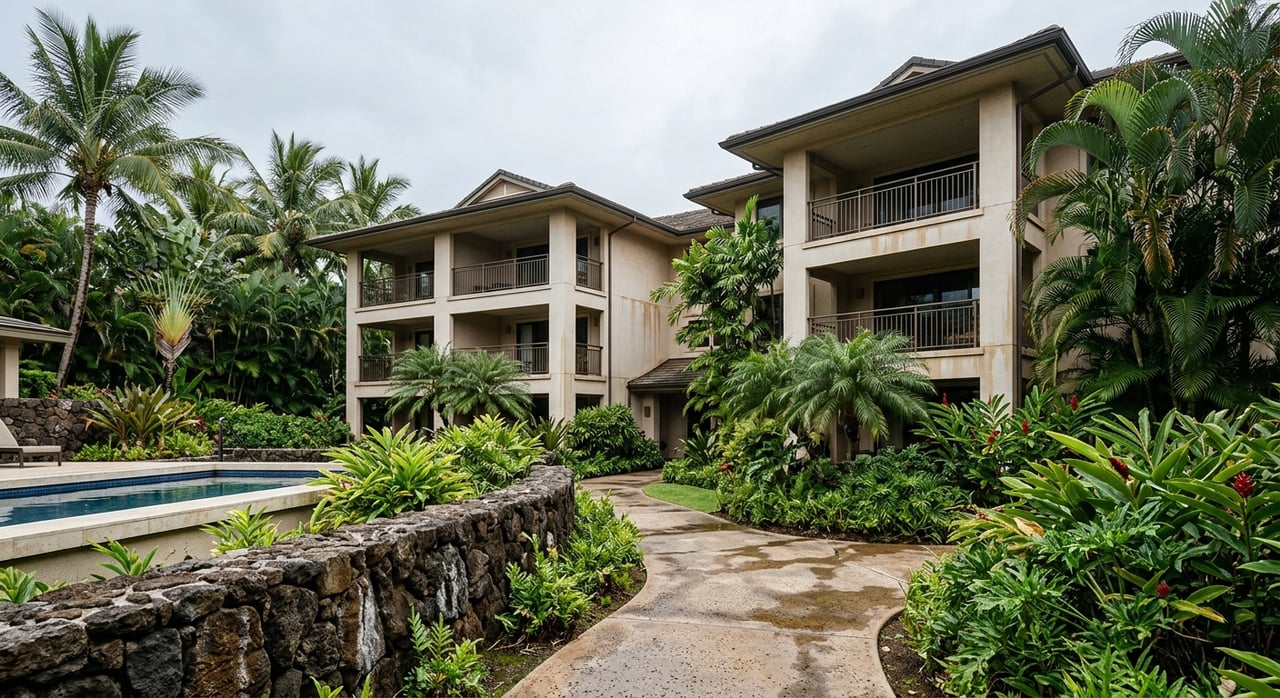
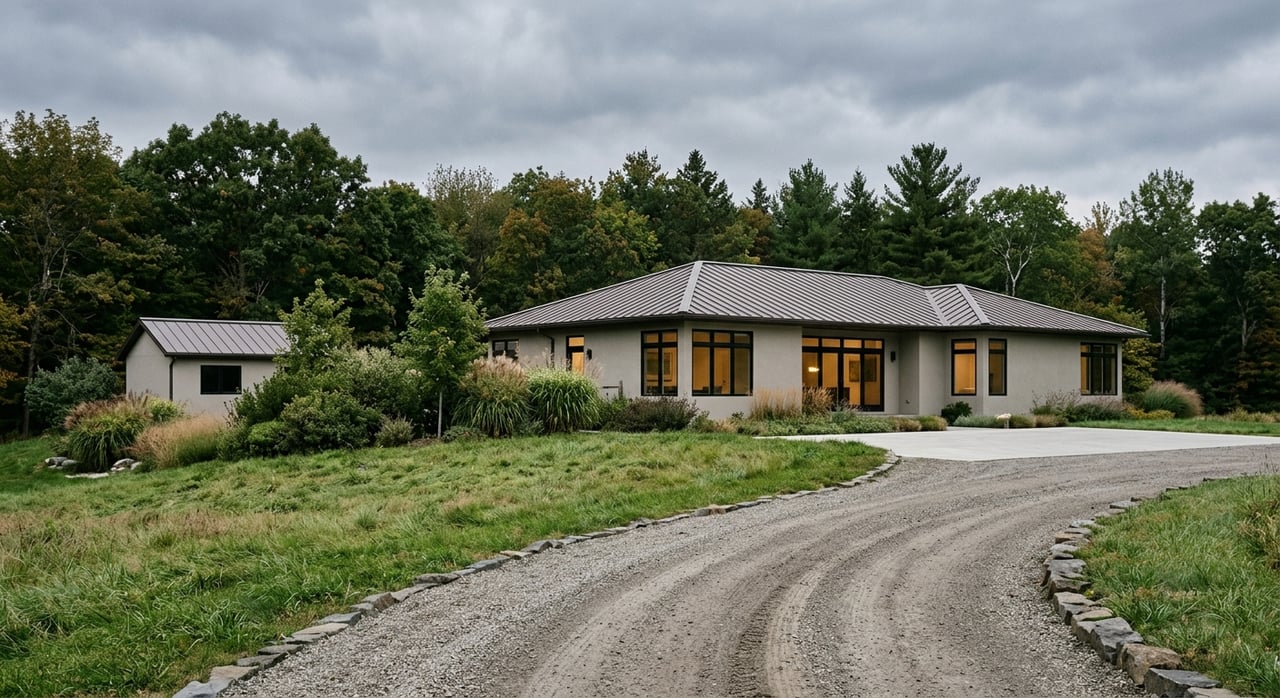
One of the biggest draws of Haiku is space. The built environment is mixed rather than uniform, with village-scale commercial areas, residential pockets, agricultural land, and scattered parcels along roads like Haiku Road.
This is not a one-style market. Maui County design guidance points to commercial strips along Hana Highway and Baldwin Avenue, a well-established residential and agricultural area mauka of Hana Highway, and scattered parcels near Haiku and Kuiaha. That patchwork creates a more eclectic feel than you might expect in a conventional suburban neighborhood.
In agricultural zoning, Maui County sets a 2-acre minimum lot size for agricultural lots. At the same time, the Paia-Haiku design guidelines emphasize preserving existing small lot sizes, eclectic architectural character, and compatibility with rural scale.
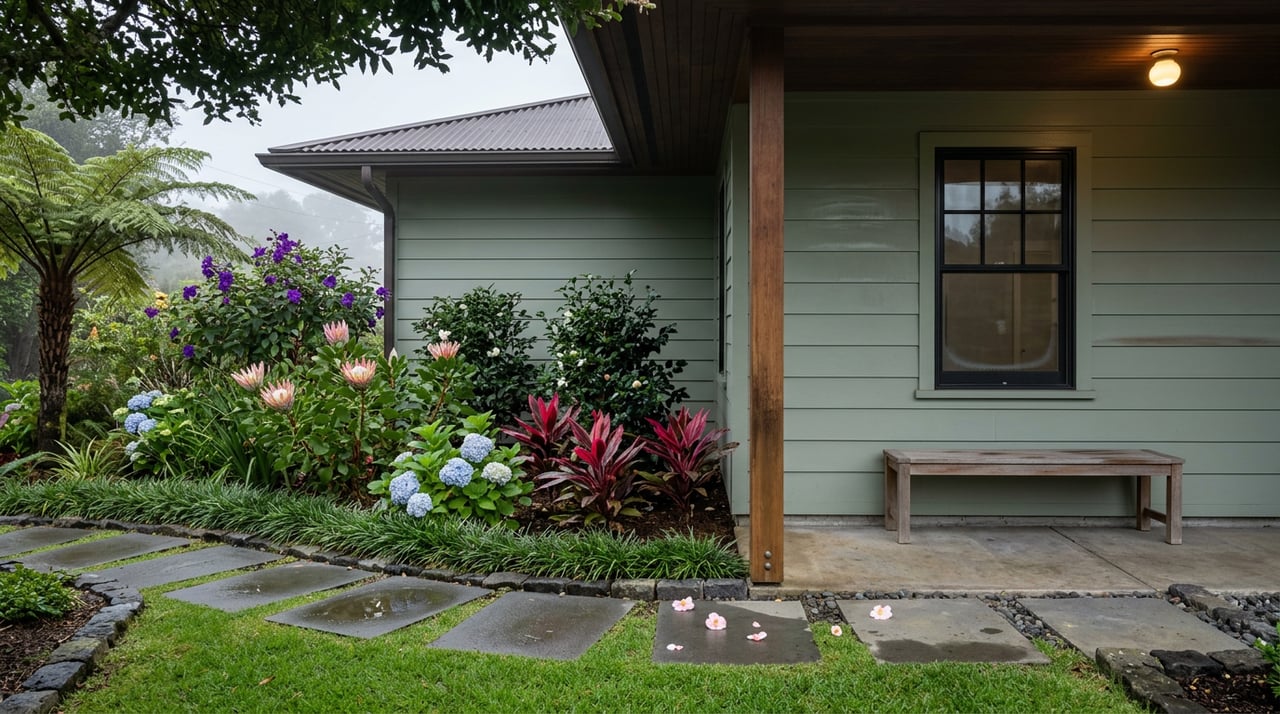
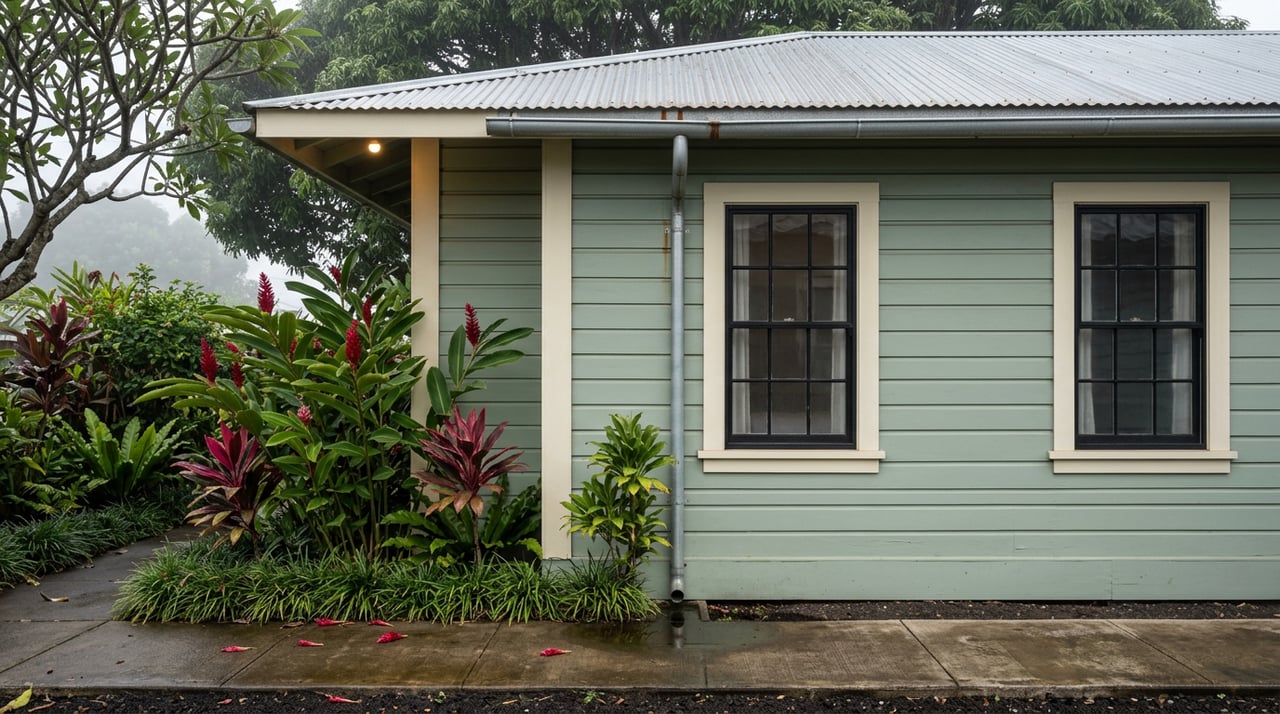
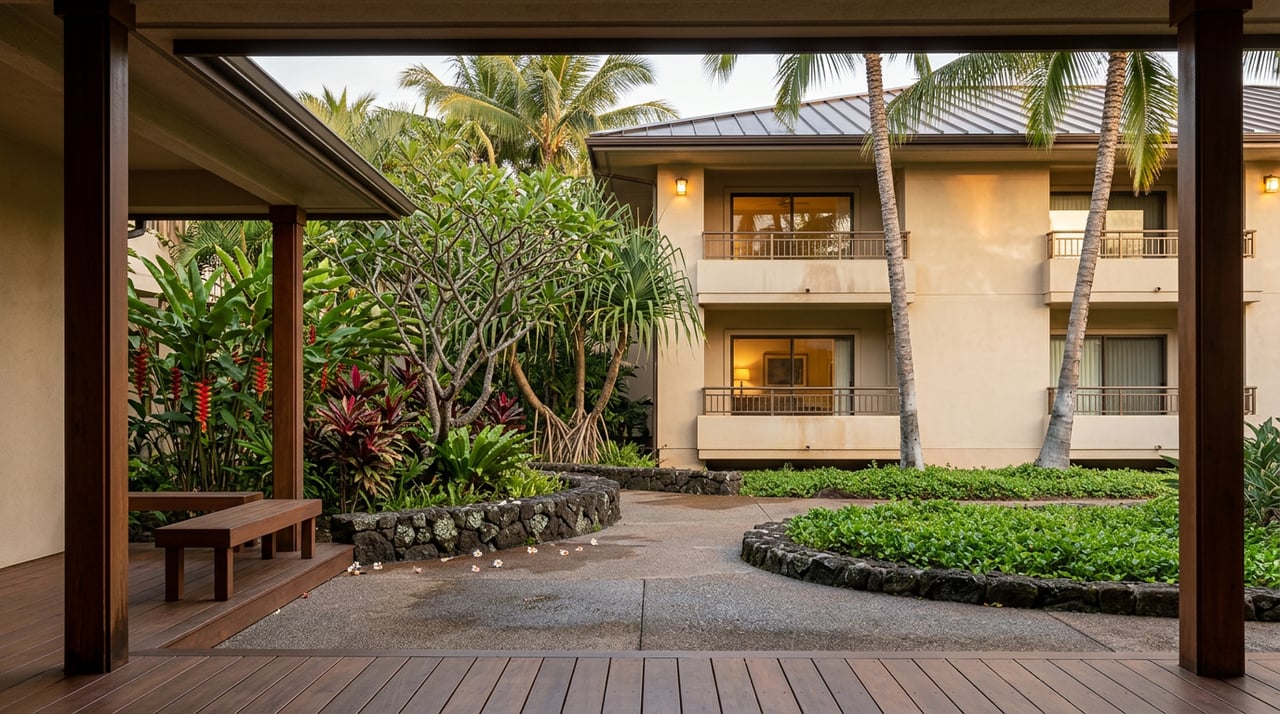
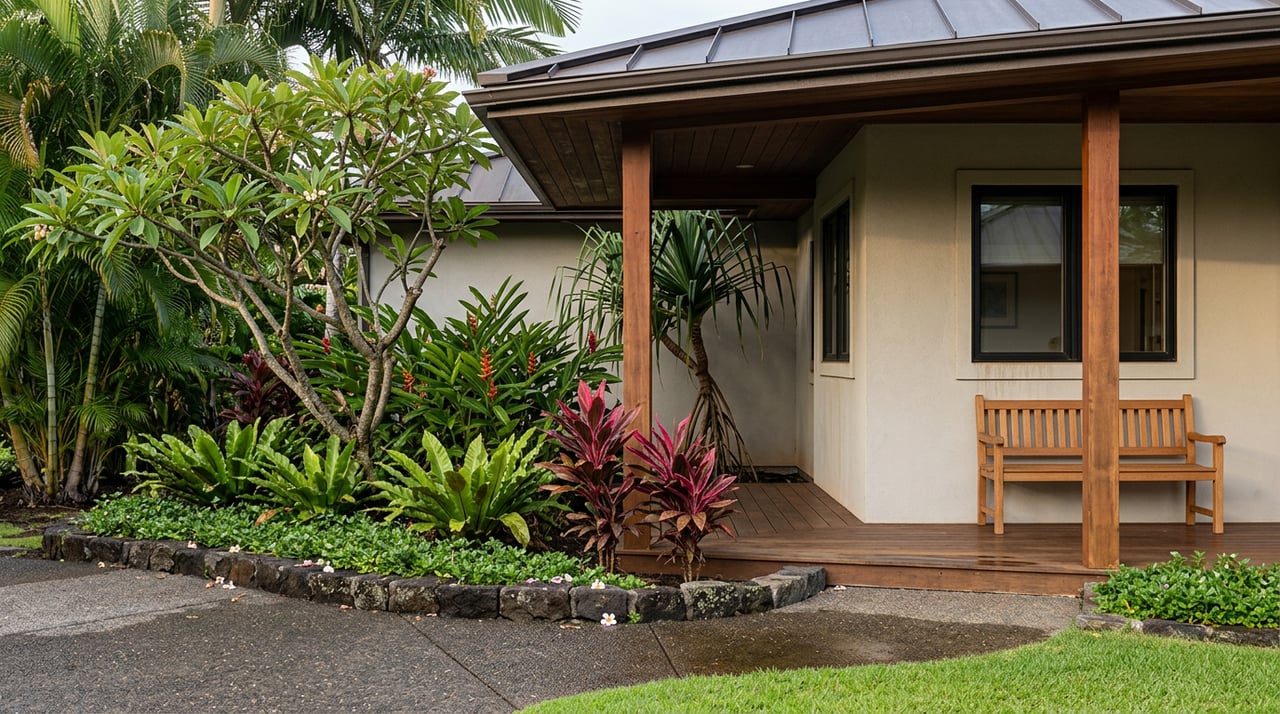
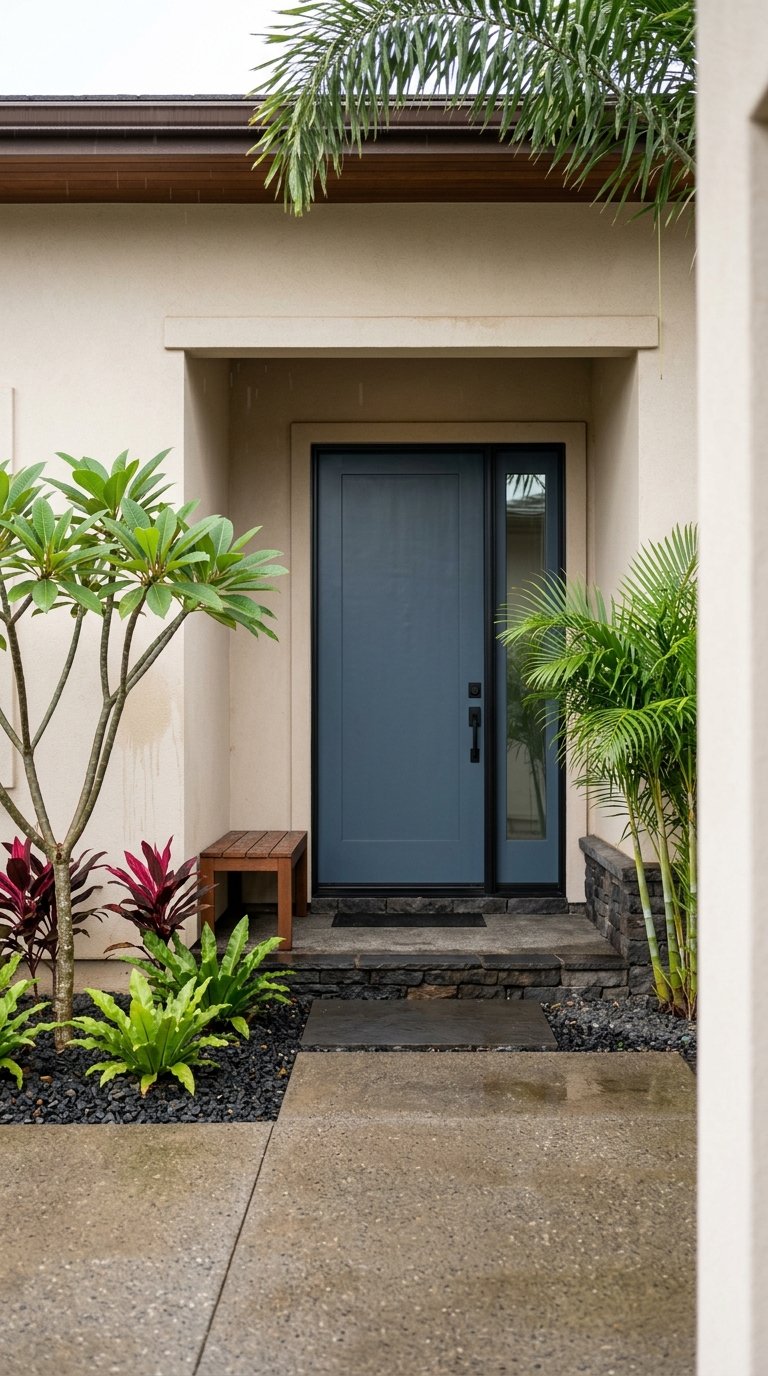
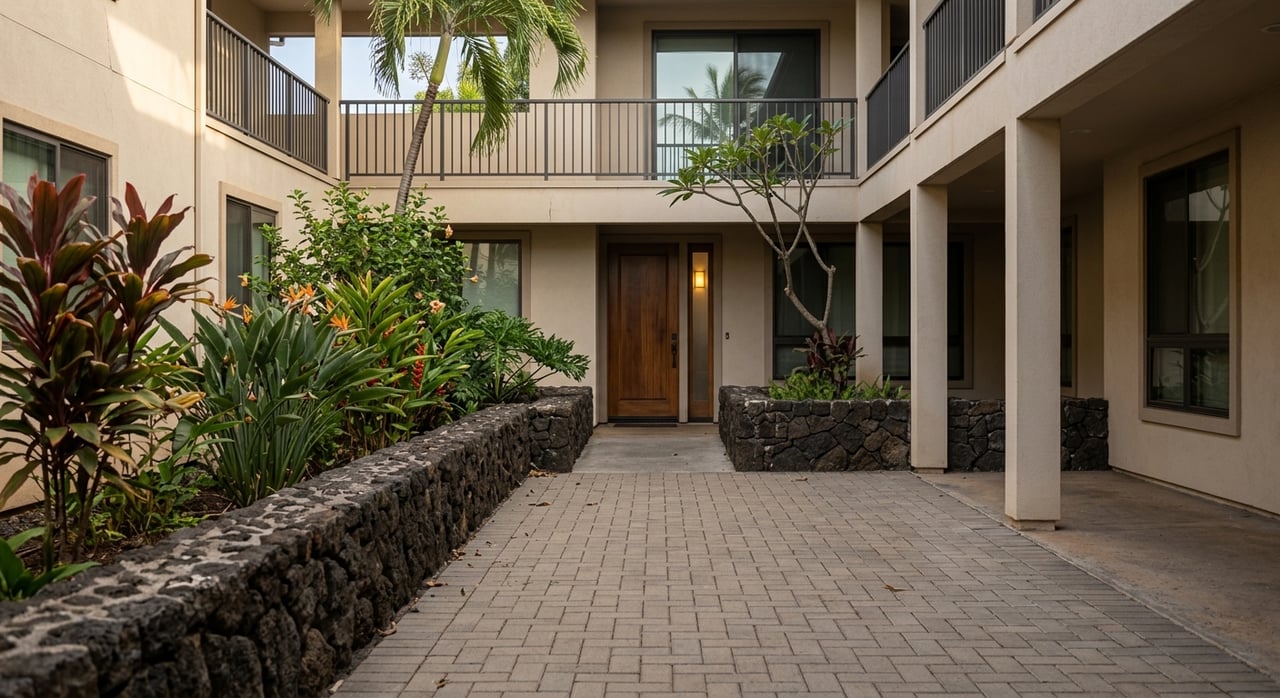
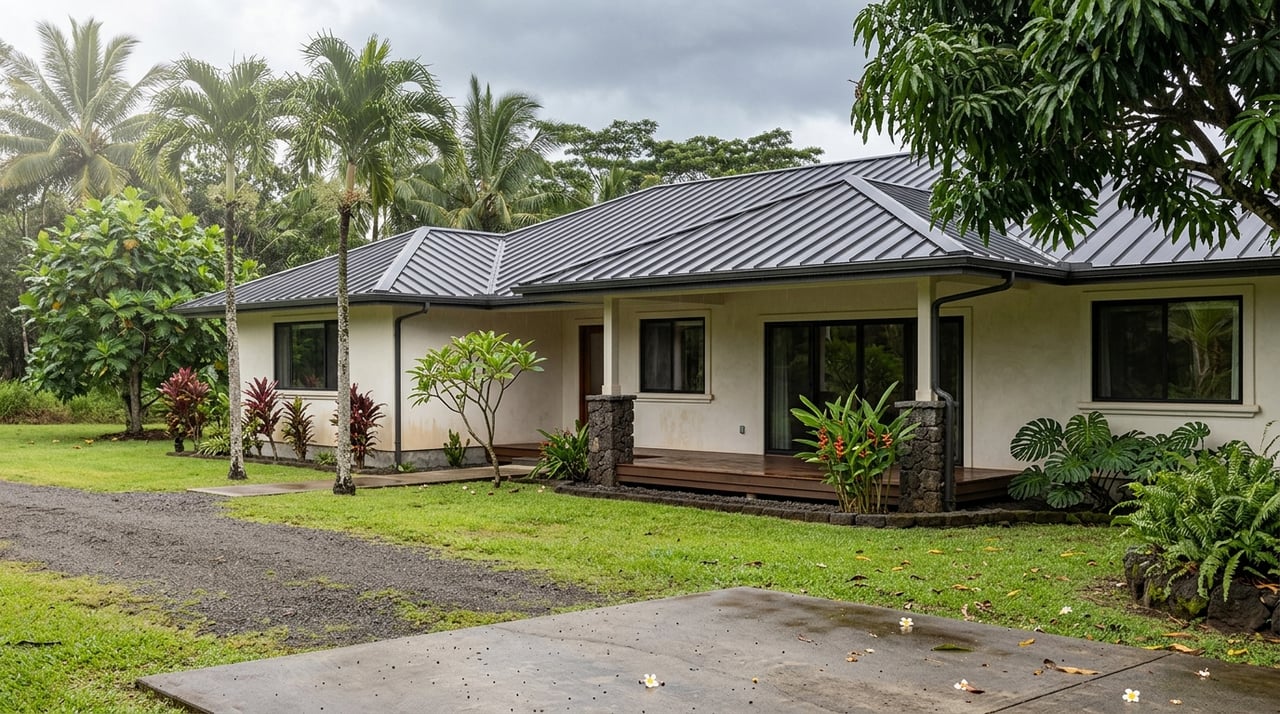
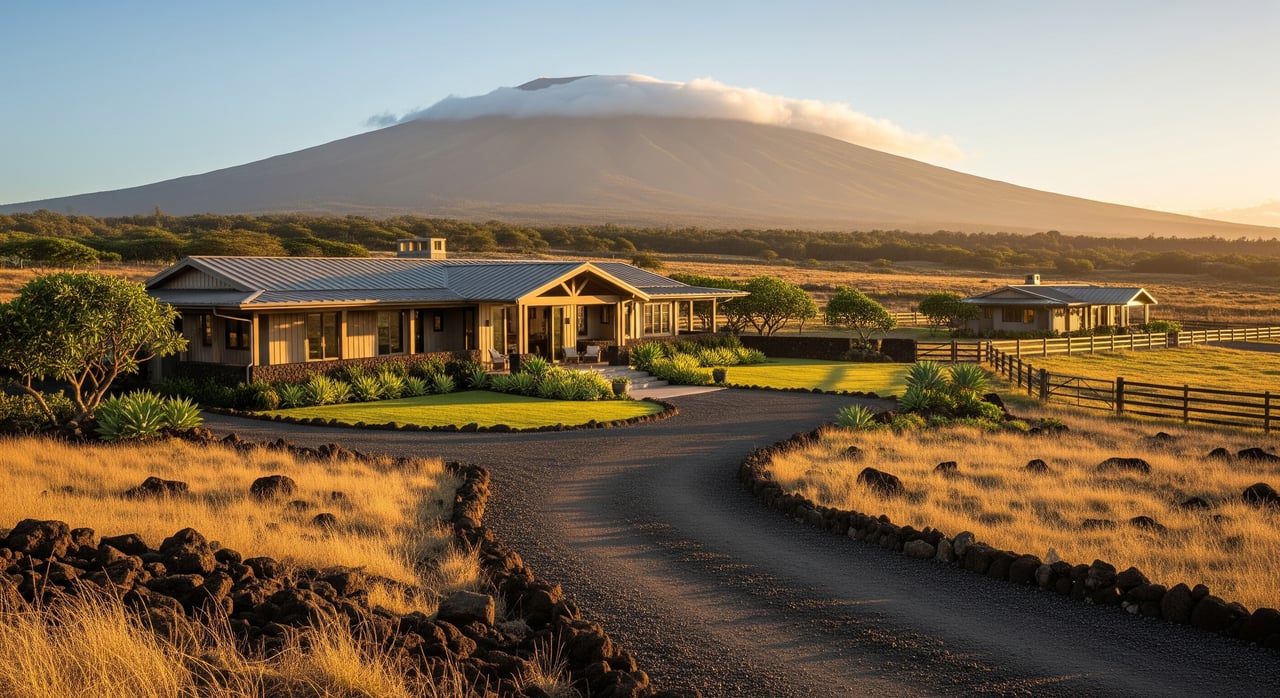
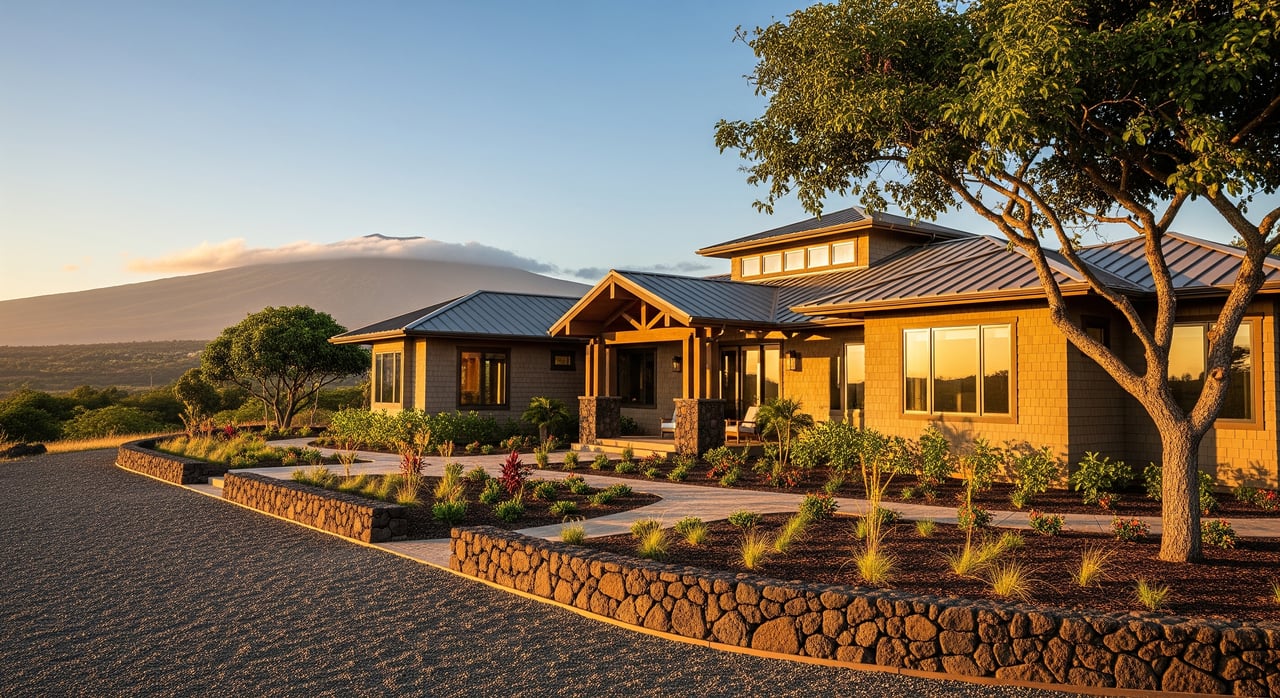
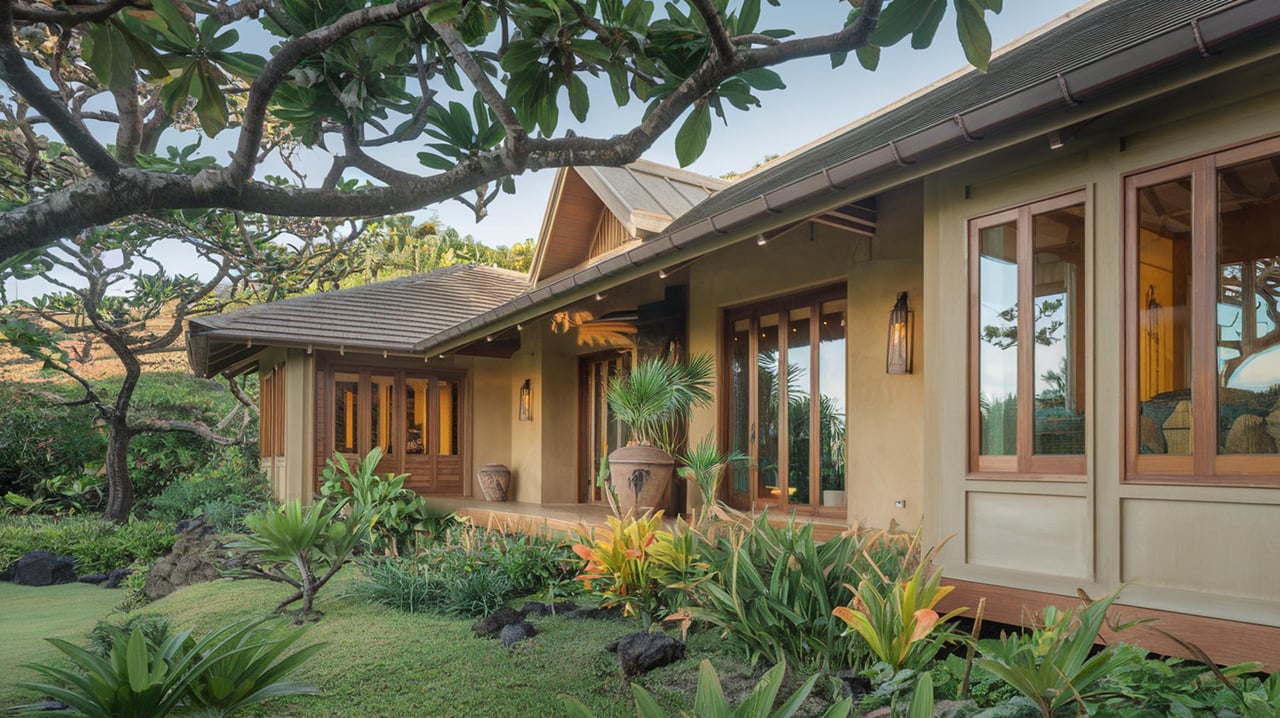
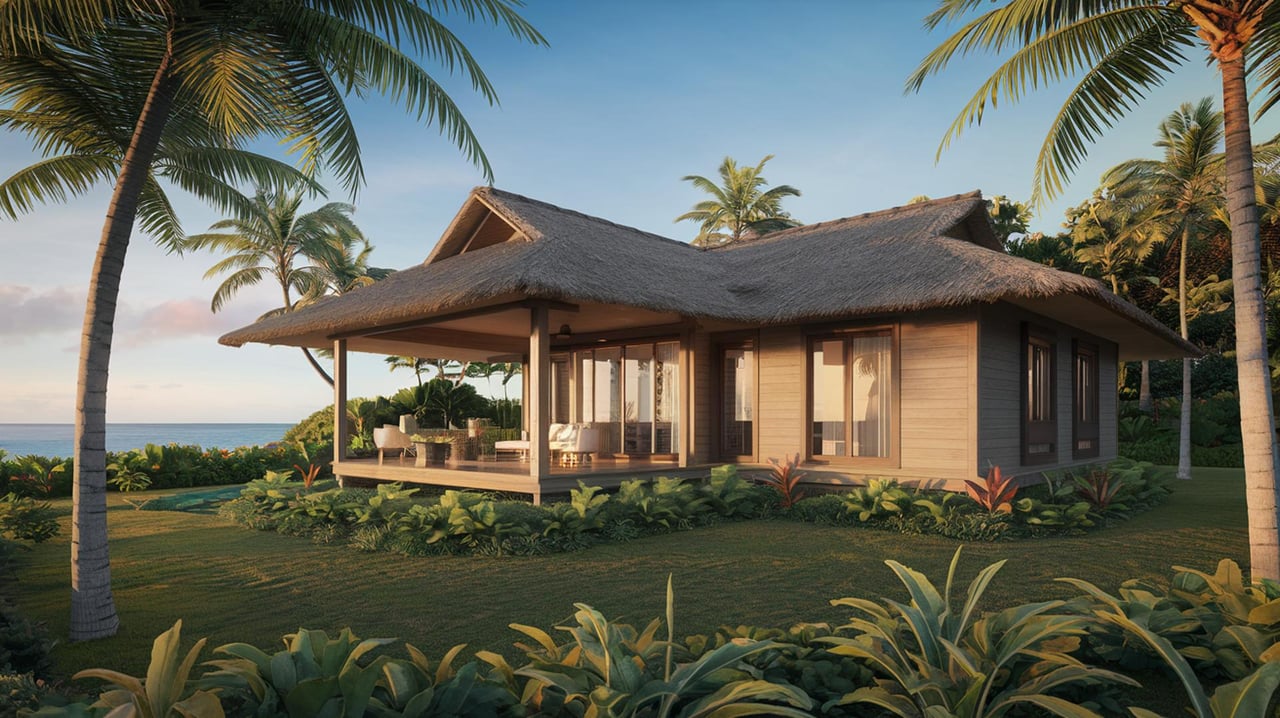
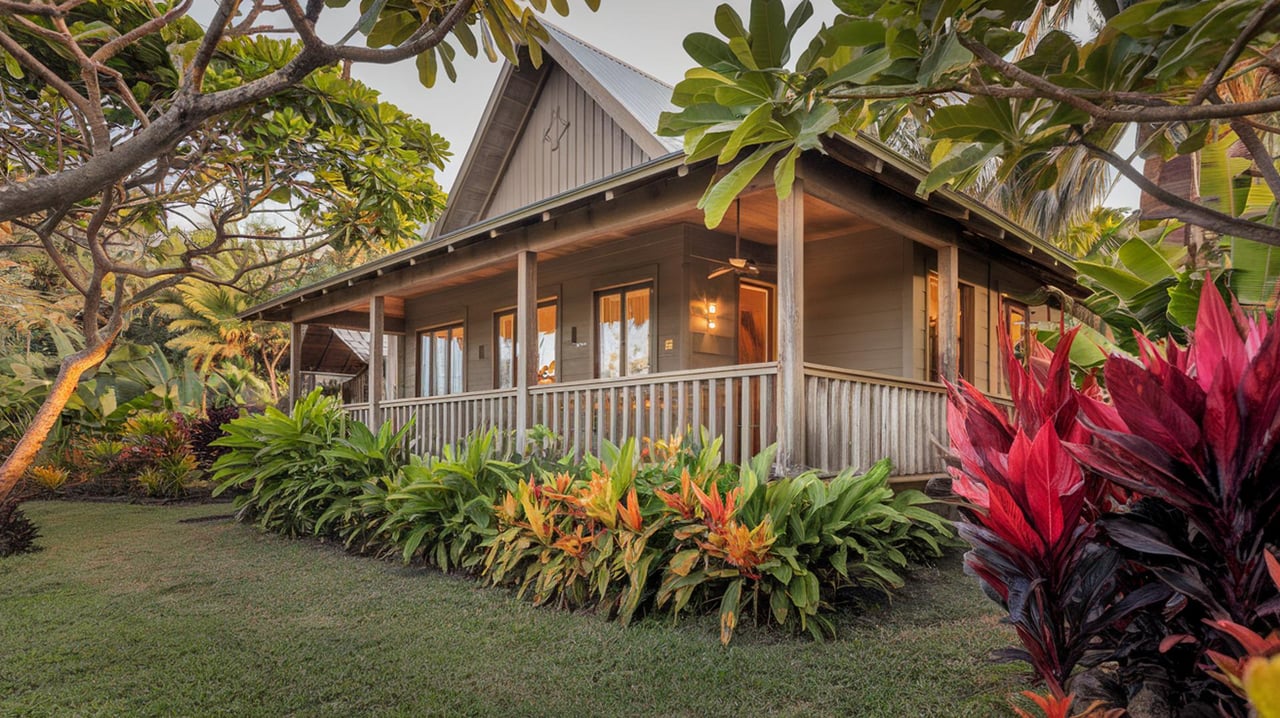
That combination helps explain why Haiku can feel varied from one property to the next. You may see older plantation-era structures, homes on larger rural parcels, and small clusters near local commercial areas, all within the same broader community.
Home Styles and Housing Snapshot
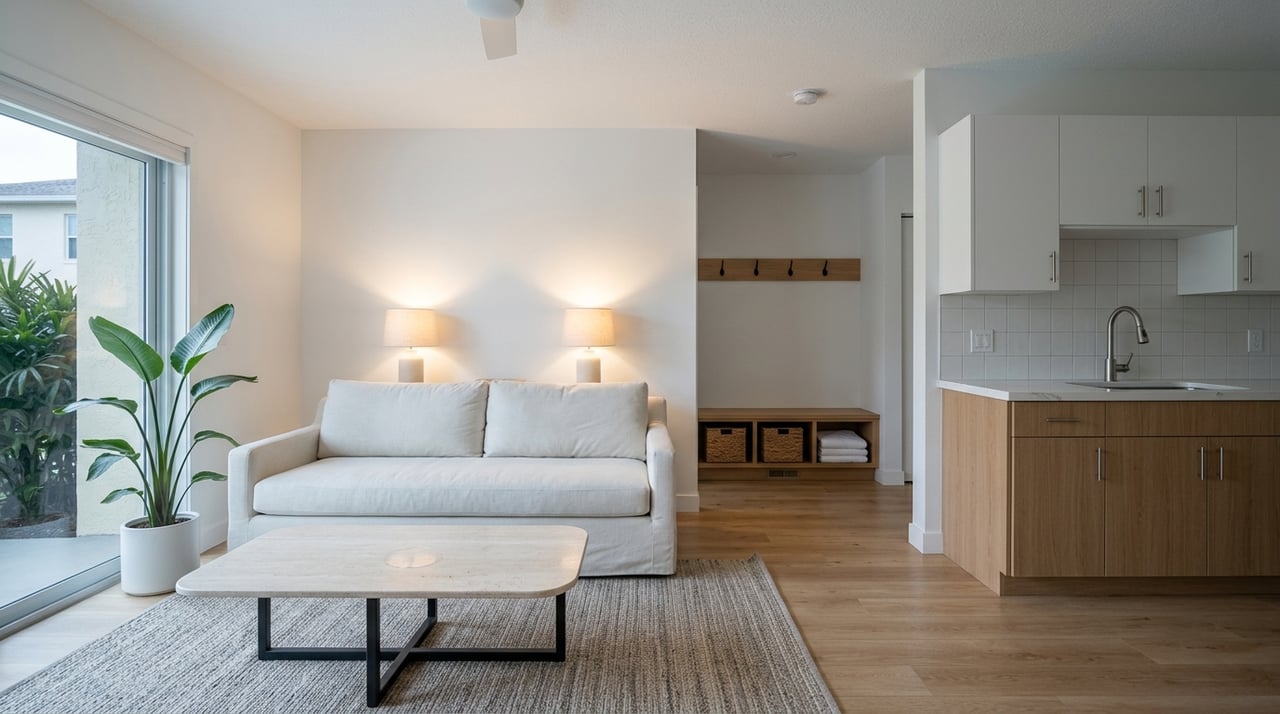
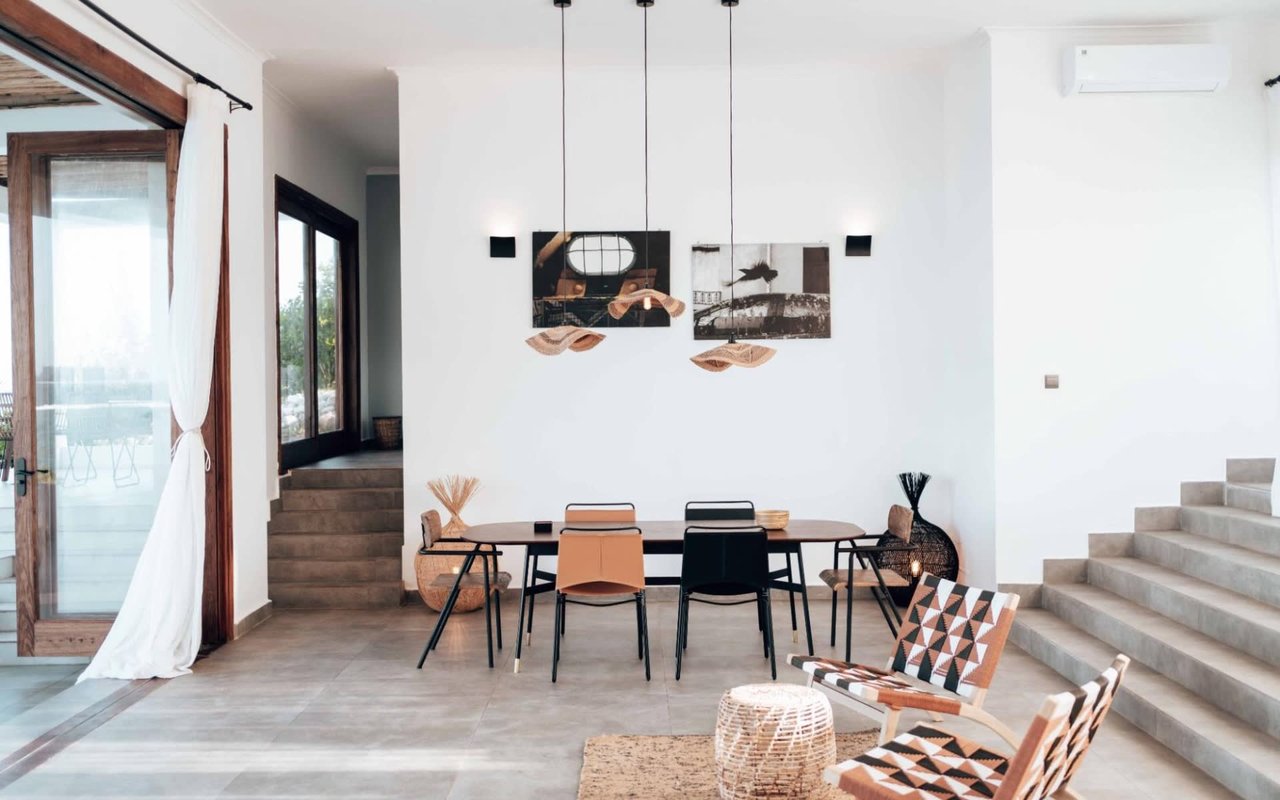
Haiku’s housing stock reflects its layered history and rural setting. Maui Planning Commission materials even reference a plantation-style house at Haiku Mill, which supports the area’s plantation-era architectural thread.
If you are trying to picture the market at a high level, Census data for Haiku-Pauwela offers a useful snapshot. The 2020 Census recorded 8,595 residents, and 66.6% of housing units were owner-occupied in 2020-2024.
The same Census snapshot reported a median value of owner-occupied housing units of $1,093,800. Median selected monthly owner costs with a mortgage were $3,182. Those numbers do not define every property, but they do help set expectations for the local housing landscape.
Climate and Everyday Comfort
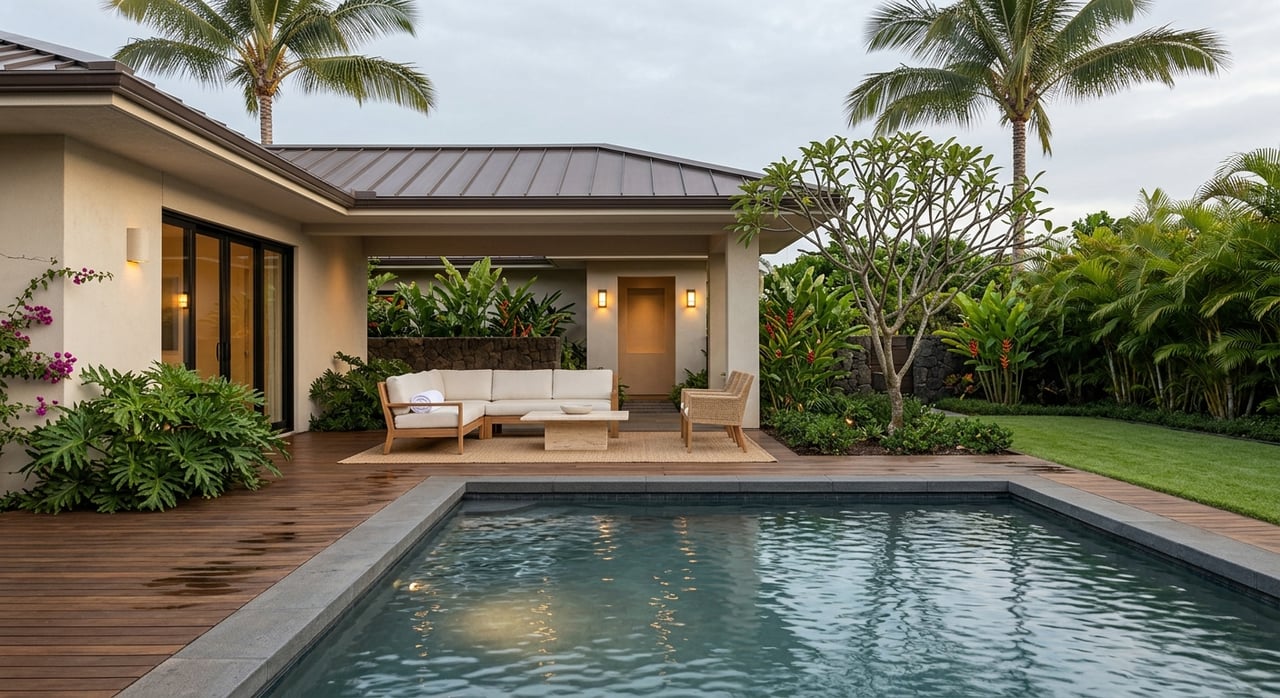
Haiku is on Maui’s windward side, and that shapes daily life in a real way. County guidance says temperatures generally range from 52°F to 92°F, with tradewinds usually around 15 to 25 mph.
Rainfall is also part of the story. The county reports about 42 inches of annual rainfall in Haiku, compared with about 25 inches in Paia, while higher-elevation parts of the region can reach about 150 inches.
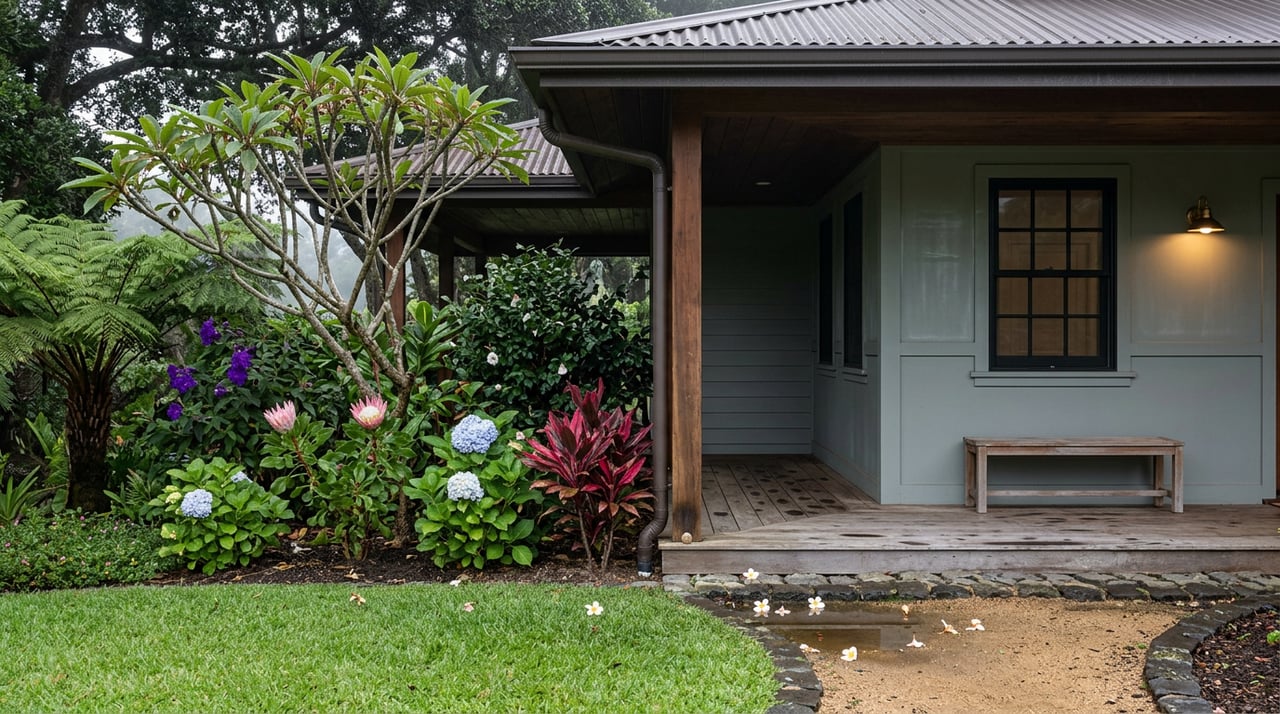
That moisture supports the area’s lush vegetation and cooler feel. County materials specifically note that Haiku’s forests and greenery can make it feel cooler than nearby Paia.
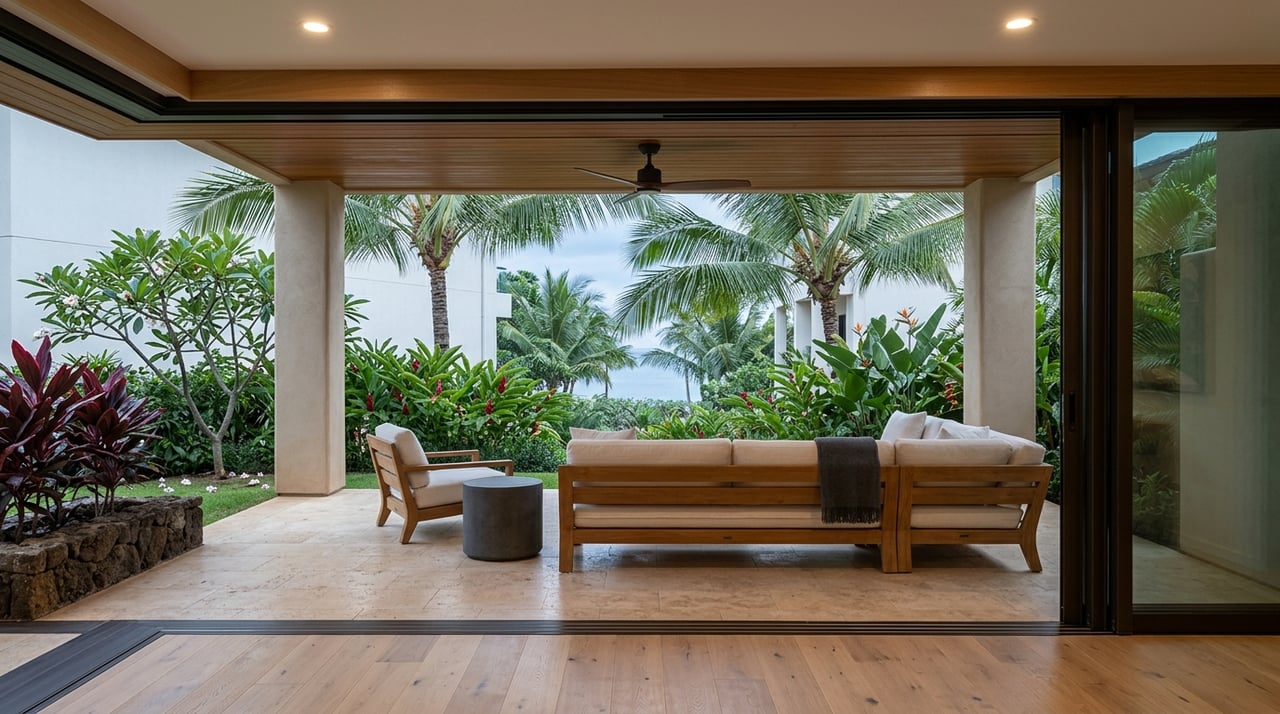
For you, this often means a living environment that feels greener and breezier, but also one where weather conditions can vary by elevation and exact location. A property closer to sea level may feel different from one farther mauka.
Water Service Is a Practical Factor
If you are buying in Haiku, water service is one of the practical details worth understanding early. Maui County places Haiku in the Upcountry water system.
According to county information, Kamole Weir serves Haiku and is the primary source for nearly all of Upcountry during drought. County water-service rules also say Upcountry requests must meet service-limit requirements and be on the Upcountry priority list.
That does not tell the whole story for every parcel, but it does show why infrastructure questions matter in this area. When you are evaluating a property, it is smart to look closely at utility and service details along with the home itself.
Shops, Services, and Daily Errands
Haiku offers local commercial nodes, but many daily routines still involve going beyond the immediate area. County design guidelines describe commercial areas along Hana Highway and Baldwin Avenue, along with nearby residential and agricultural parcels.
In practical terms, your errands may be split between smaller nearby stops in Haiku or Paia and larger shopping or service runs to Kahului. That pattern is part of what makes Haiku feel more rural while still staying connected to broader Maui services.
For many residents, that tradeoff is part of the appeal. You get a setting that feels quieter and more open, while still having access to essential destinations within a broader regional routine.
Getting Around From Haiku
Transportation options exist, though a car often provides the most flexibility. Maui Bus Route #35, the Haiku Islander, connects Haiku Marketplace with Paia Town, Kahului Airport, Kahului Shopping Center, Maui Mall, and Kahului Transit Center.
Maui County’s commuter program also includes a Haiku-Wailea route designed for early morning and evening commuters. These options can be helpful if your routine matches those schedules and destinations.
Still, because Haiku living often includes varied errands and dispersed destinations, many people find that driving remains the simplest way to manage daily life. That is especially true when your week includes work trips, shopping runs, and appointments in multiple parts of Maui.
Why Haiku Appeals to Many Buyers
For many buyers, Haiku offers a balance that can be hard to find elsewhere. You get rural character, a greener windward setting, and a built environment that feels less standardized than many other markets.
You also get variety. Some buyers are drawn to larger parcels and agricultural settings, while others are looking for a home with character near local gathering spots and road connections.
The key is knowing what matters most to you. If your priority is space, landscape, and a calmer day-to-day atmosphere, Haiku may check boxes that a more urban or resort-focused area does not.
What to Think About Before You Buy
Haiku can be a wonderful fit, but it helps to go in with clear expectations. Before you buy, think carefully about how you want your daily life to work.
A few useful questions to ask include:
- How much land or outdoor space do you want to maintain?
- How important is quick access to larger shopping and services?
- Does the property’s location affect weather, rainfall, or temperature in a way that matters to you?
- Have you reviewed water service and other infrastructure details closely?
- Does the home’s setting match your preference for privacy, convenience, or both?
These practical questions matter just as much as square footage or finishes. In a place like Haiku, lifestyle fit is a major part of making a smart decision.
If you are exploring Haiku or comparing it with other Maui areas, working with a local team can help you weigh the tradeoffs clearly. For personalized guidance on Maui neighborhoods and your next move, connect with Leslie-Ann Yokouchi.
FAQs
What is the overall character of Haiku, Maui?
- Haiku is part of Maui County’s Paia-Haiku planning area and is described by county planning materials as rural, low-density, and intended to preserve small-town scale and rural character.
What kinds of homes and properties are common in Haiku?
- Haiku has a mixed built form that can include older plantation-era structures, homes near village-scale commercial areas, and larger rural or agricultural parcels rather than a uniform subdivision pattern.
How large are lots in Haiku agricultural areas?
- Maui County agricultural zoning sets a 2-acre minimum lot size for agricultural lots.
What is the climate like in Haiku, Maui?
- County guidance says Haiku temperatures generally range from 52°F to 92°F, tradewinds are usually 15 to 25 mph, and annual rainfall is about 42 inches, with wetter conditions in higher elevations.
How do people handle shopping and commuting from Haiku?
- Many day-to-day errands are split between local stops in Haiku or Paia and larger shopping or service trips to Kahului, and while bus options exist, a car often offers the most flexibility.
What should buyers know about water service in Haiku?
- Haiku is in Maui County’s Upcountry water system, and county information notes that Upcountry water requests must meet service-limit requirements and be on the Upcountry priority list.