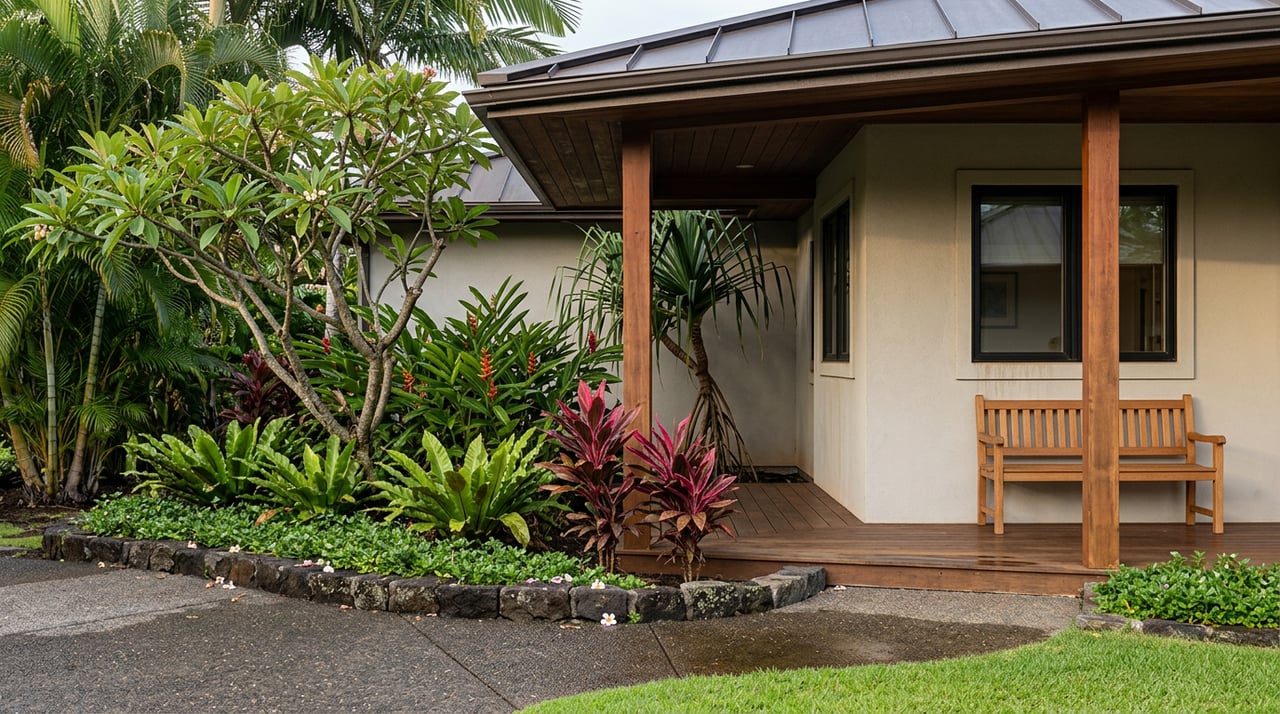
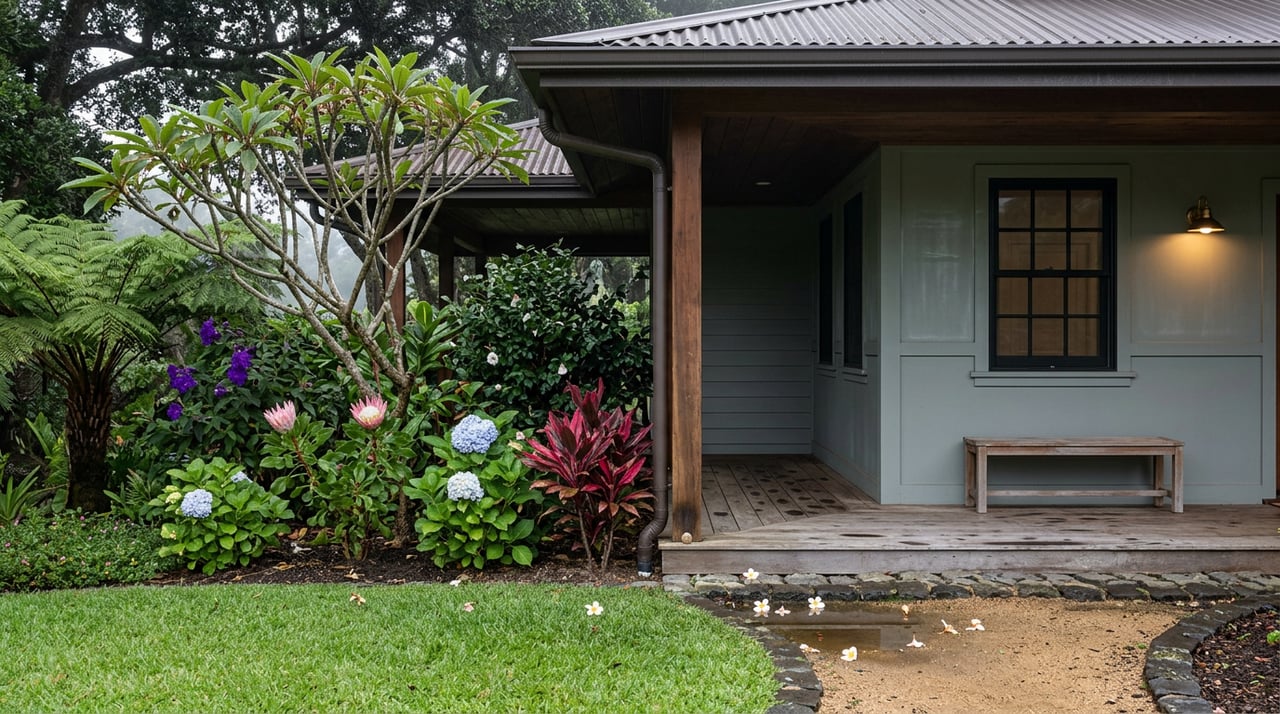
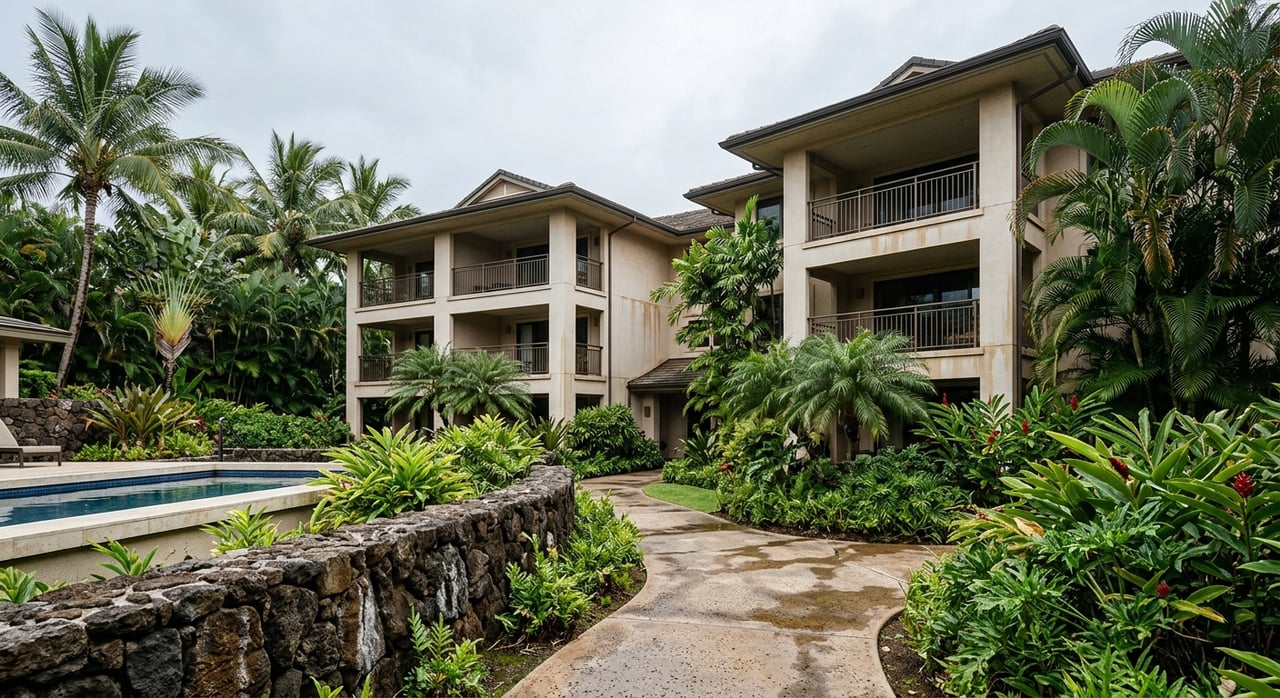
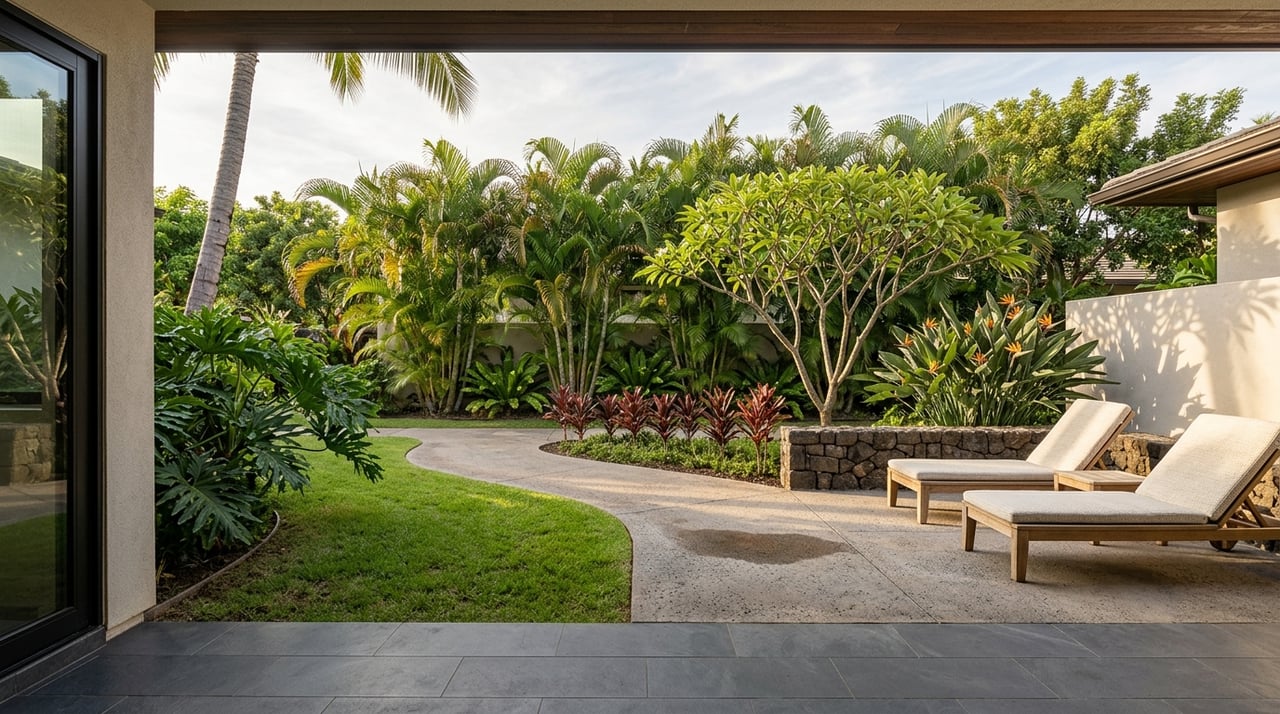
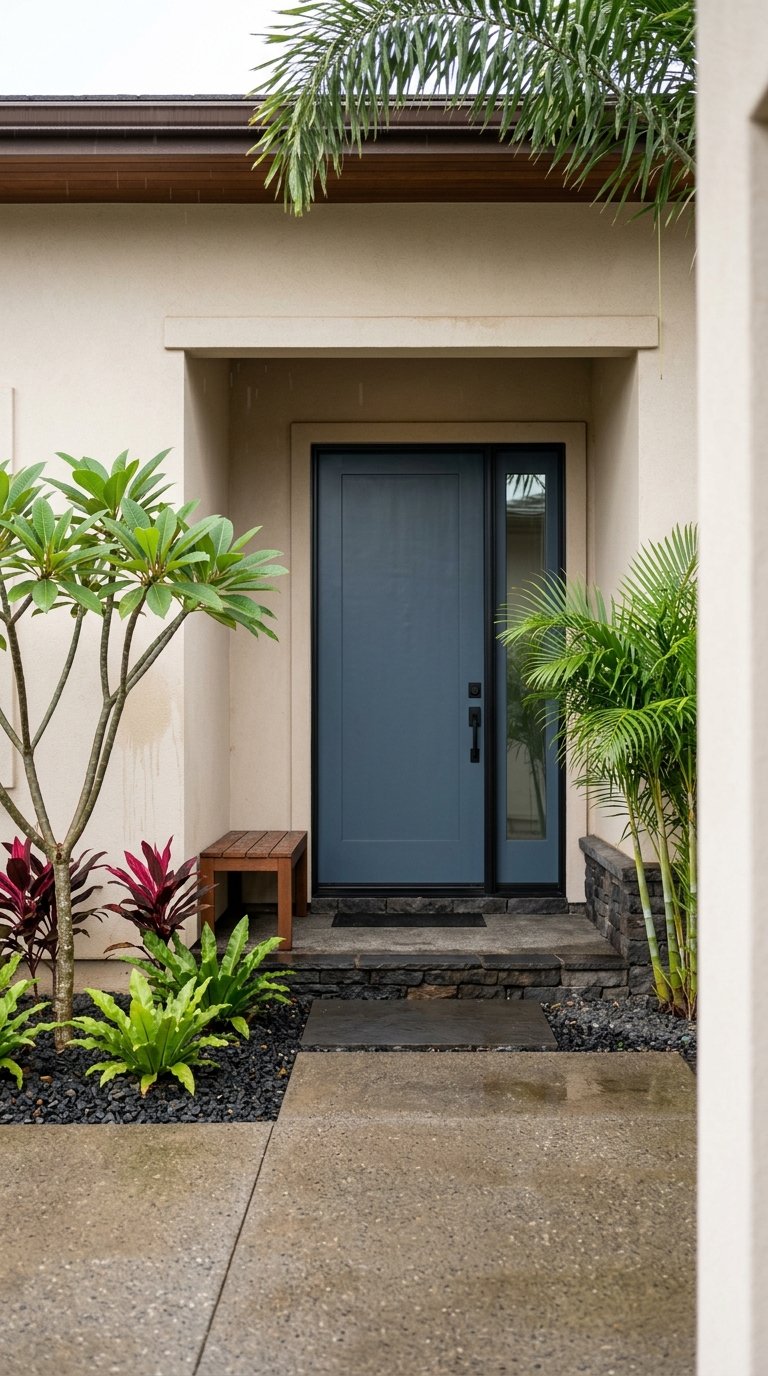
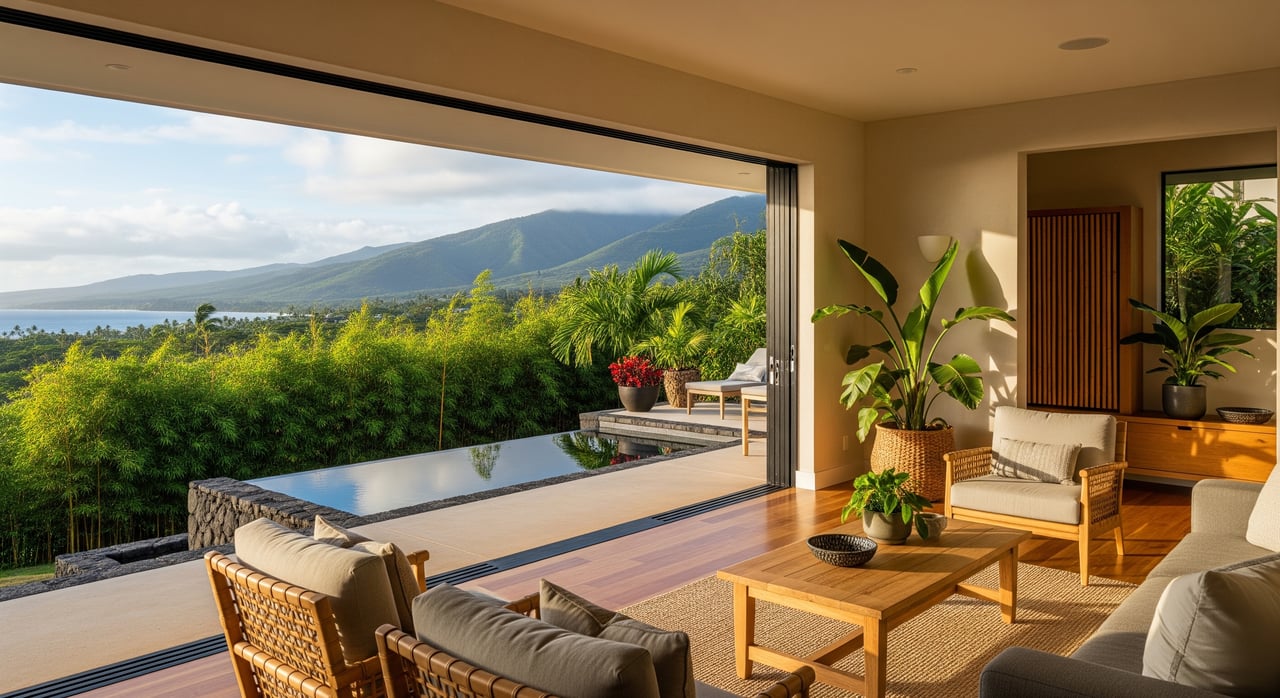
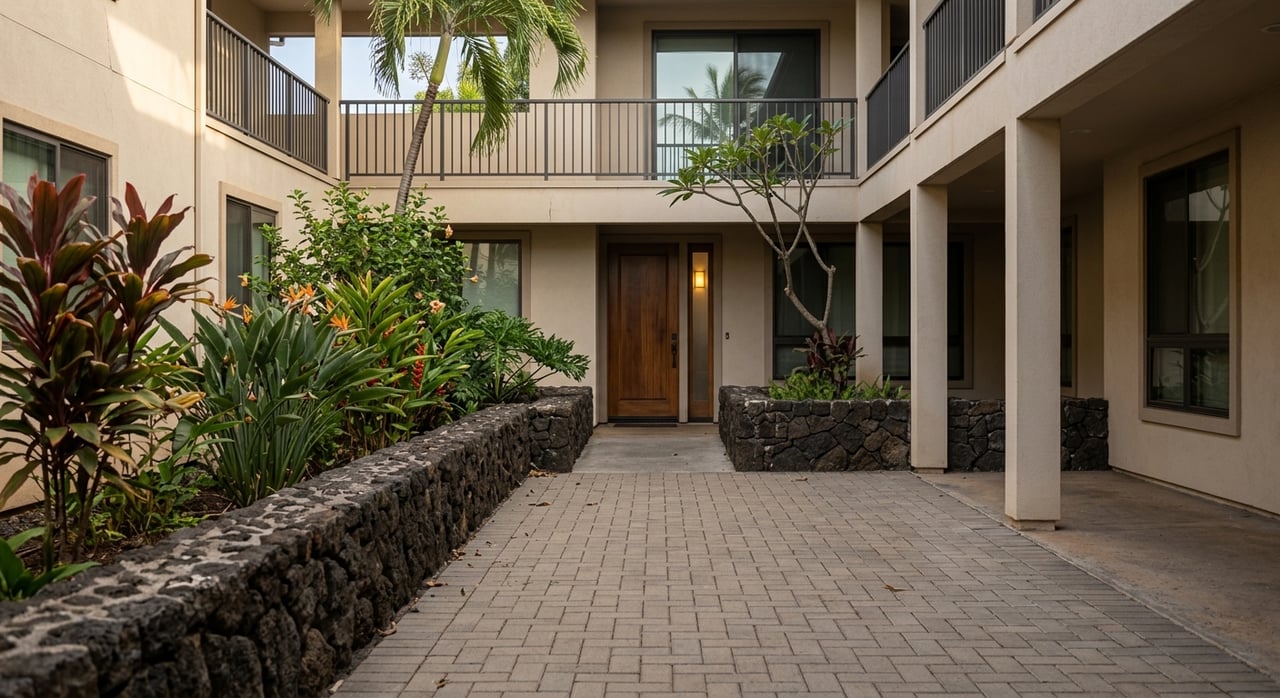
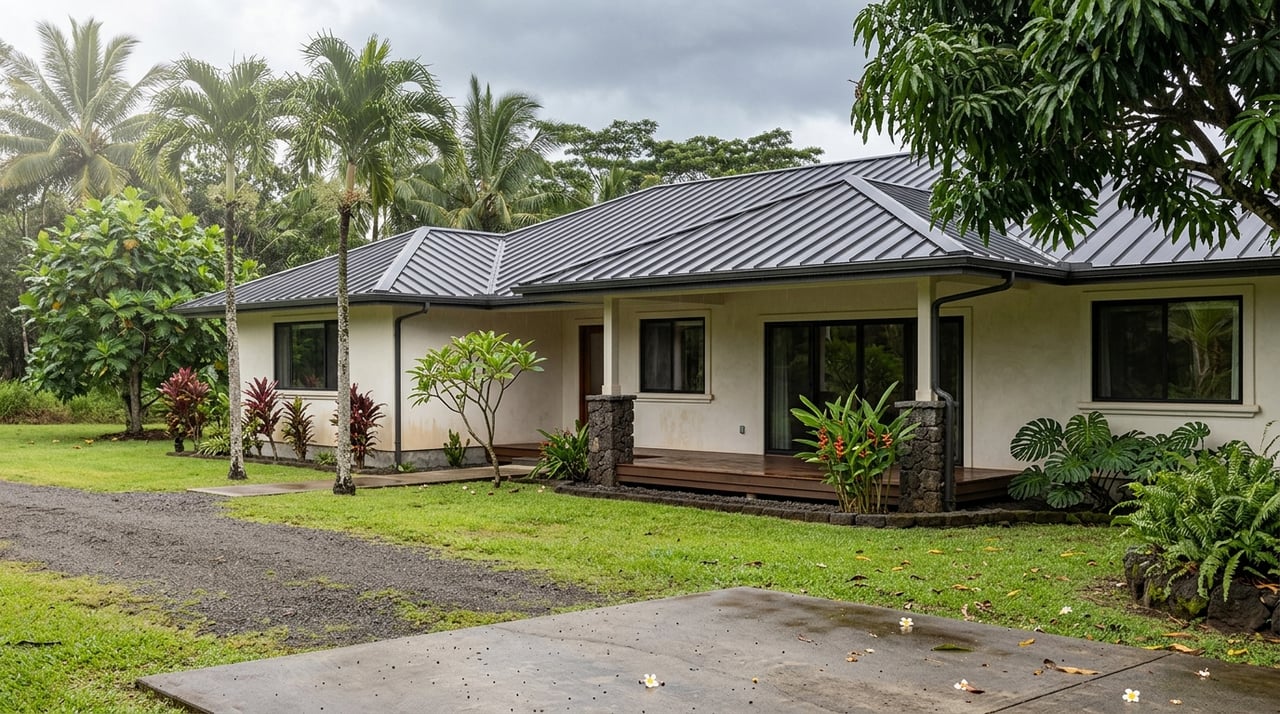
Wondering whether a Kaanapali condo or home is the better fit for your lifestyle and long-term plans? You are not alone. In Kaanapali, buyers often weigh a resort-style condominium against a golf-course home because this market blends beach living, resort amenities, and residential options in one distinct area. If you want to choose with more confidence, this guide will help you match your goals with the right type of property. Let’s dive in.
Why Kaanapali Choices Feel Different
Kaanapali is not a typical neighborhood where you compare one suburban house to another. It is a resort corridor spread across about 1,200 acres along a three-mile stretch of beach, with six hotels, five condominium properties, two championship golf courses, and 35 tennis courts.
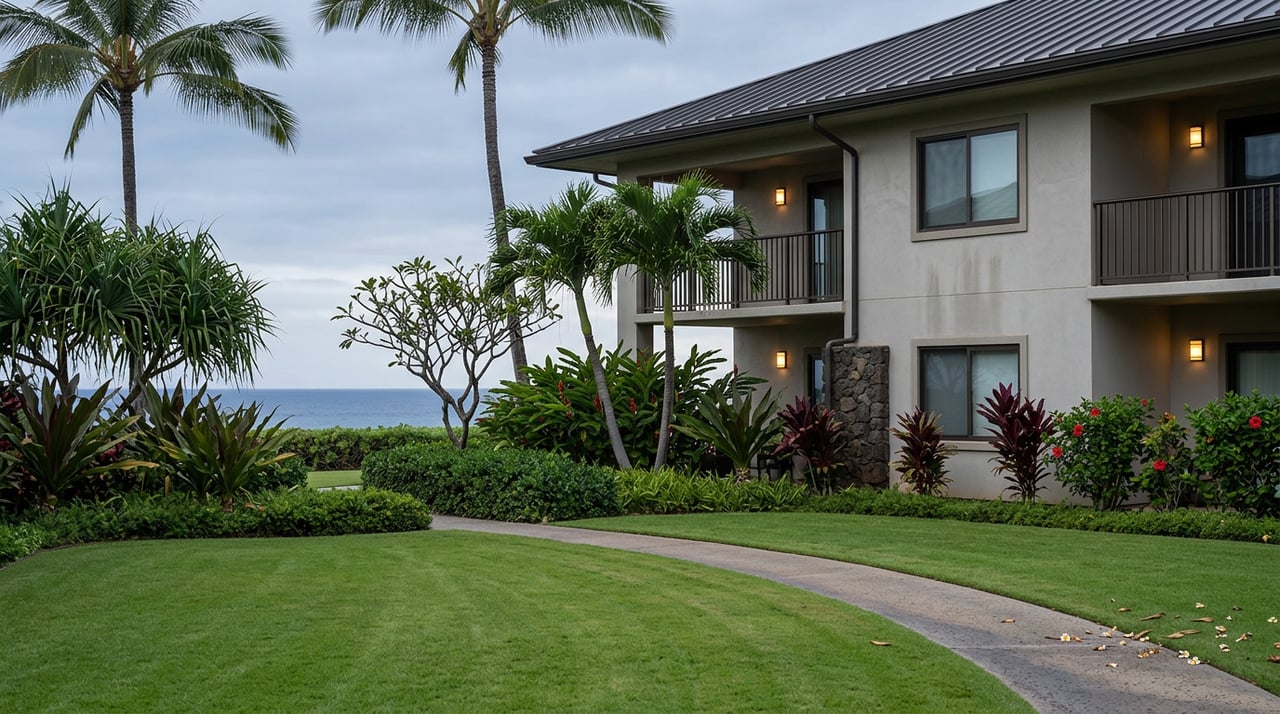
That mix shapes the buying decision. In practical terms, you may be deciding between an oceanfront or resort-adjacent condo such as Kaanapali Alii or The Whaler, a vacation-ownership resort product such as The Westin Ka'anapali Ocean Resort Villas, or a residential home in Kaanapali Golf Estates.
Start With Your Main Goal
The best property for you depends on what you want your ownership experience to feel like day to day. Before you focus on finishes, views, or square footage, it helps to define your top priority.
Ask yourself whether you want lock-and-leave convenience, more privacy and space, or income potential with clear rules and costs. In Kaanapali, those goals can point you toward very different property types.
Goal: Easy Resort Living
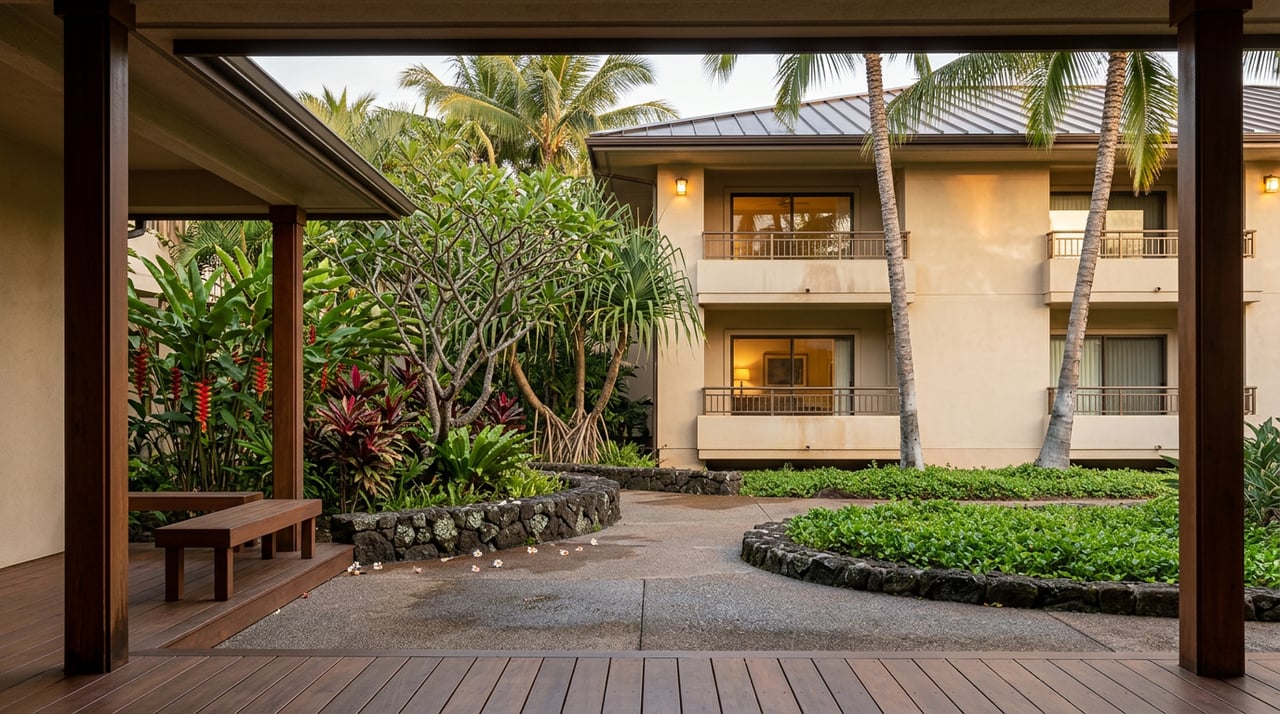
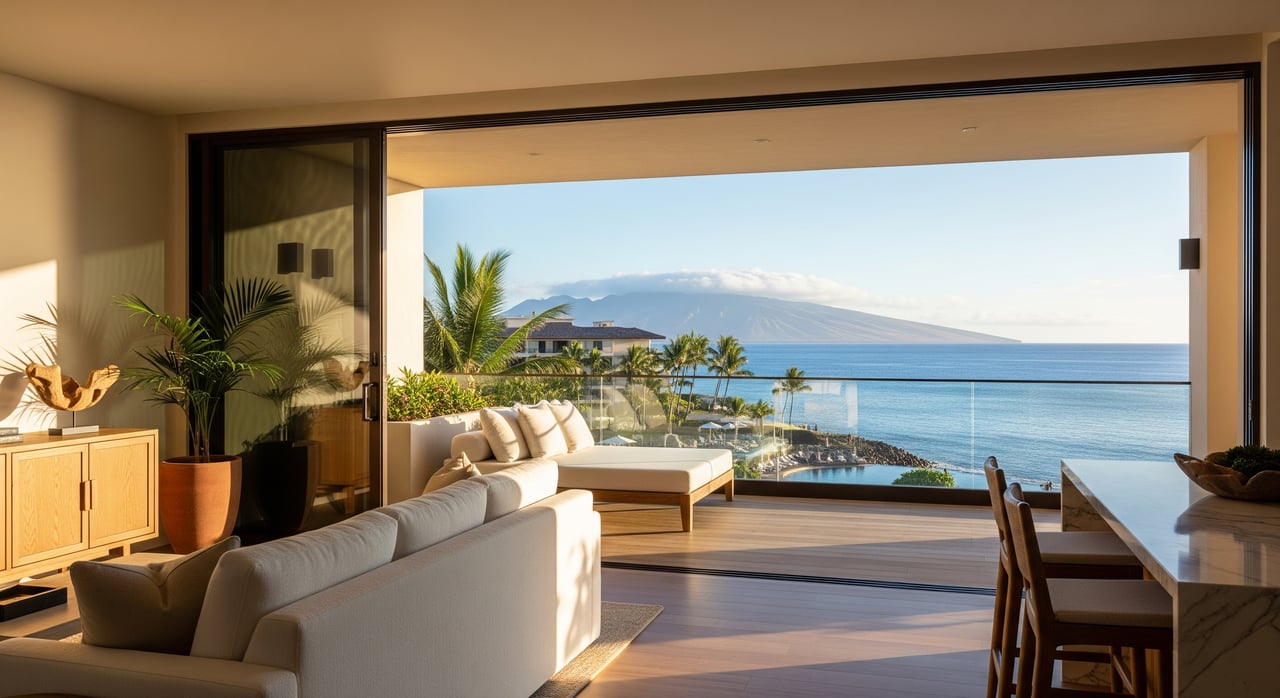
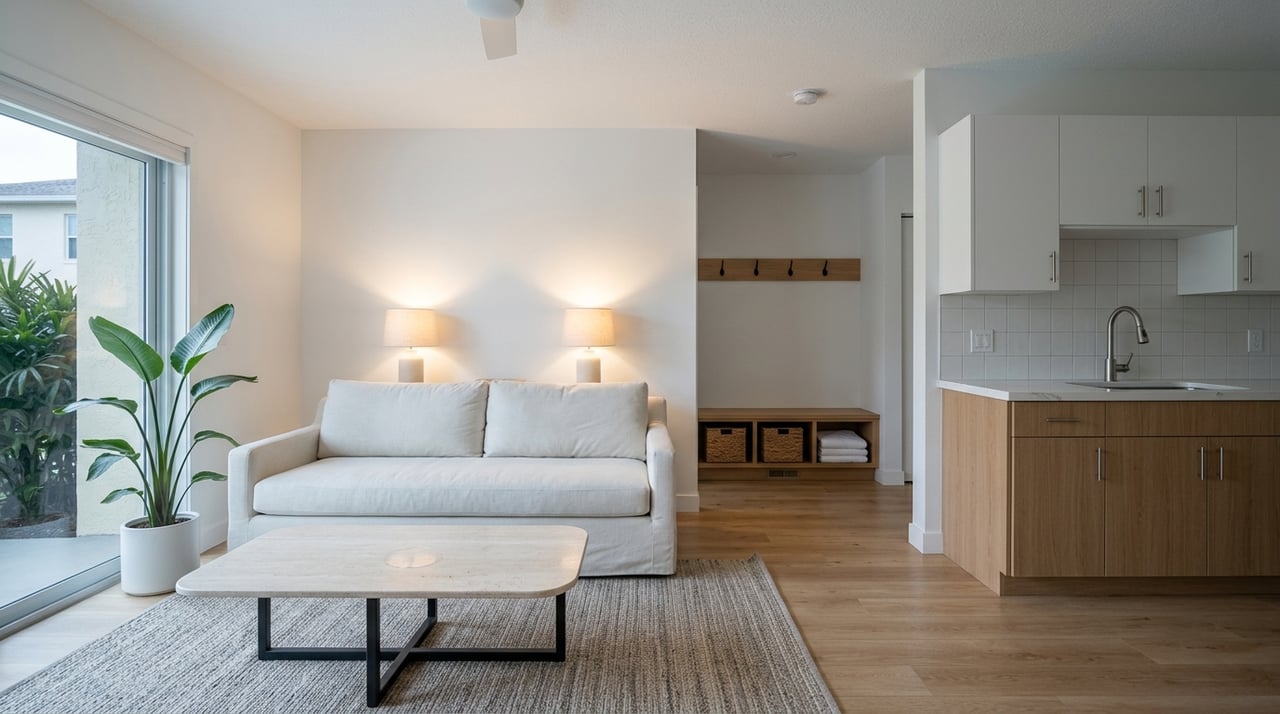
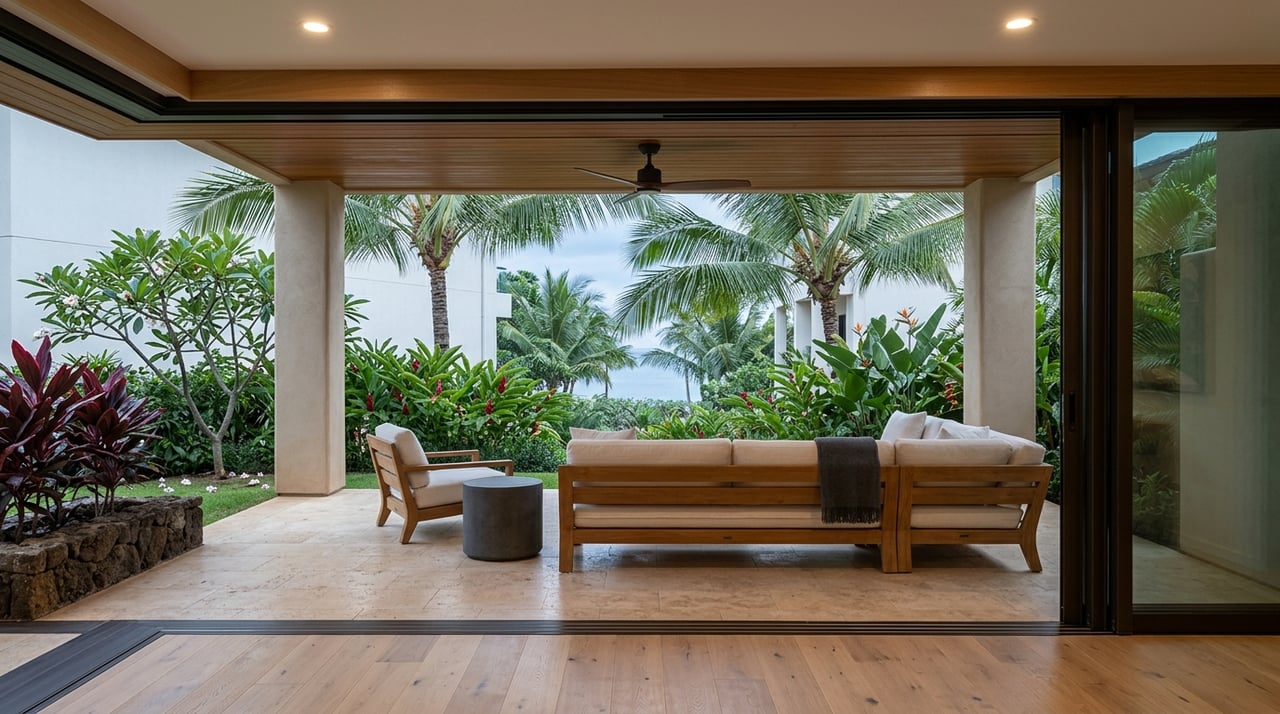
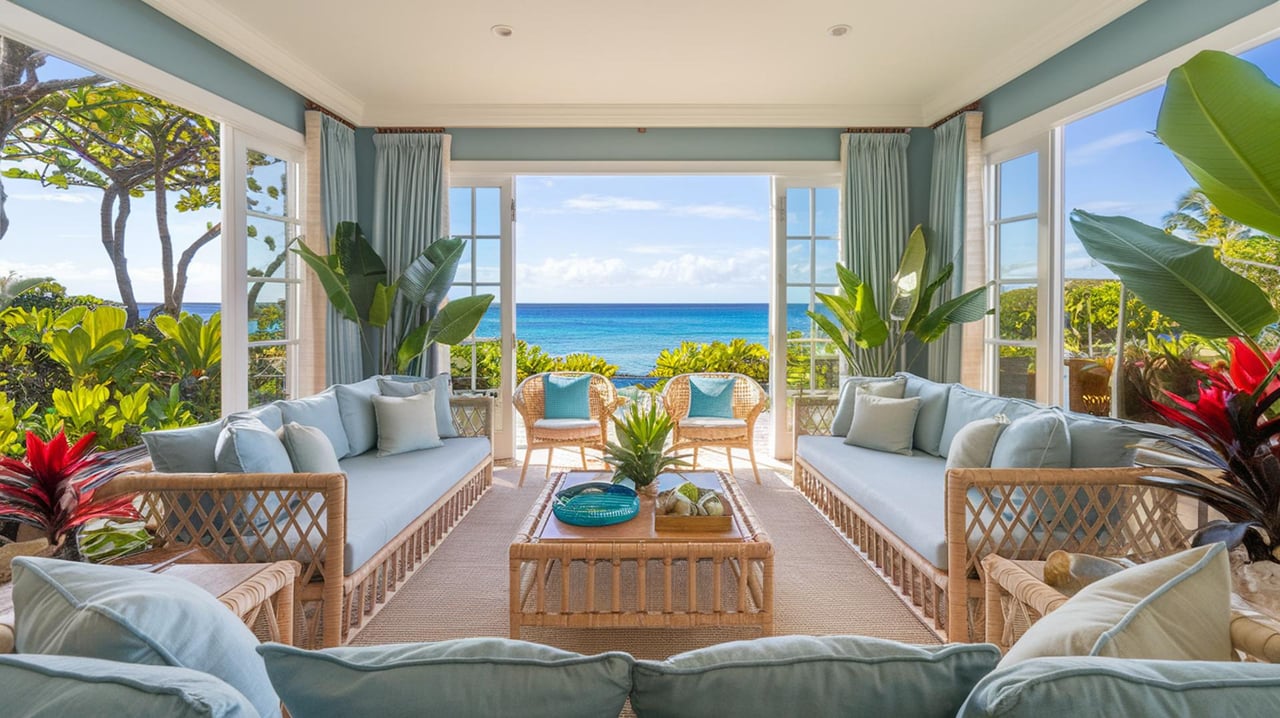
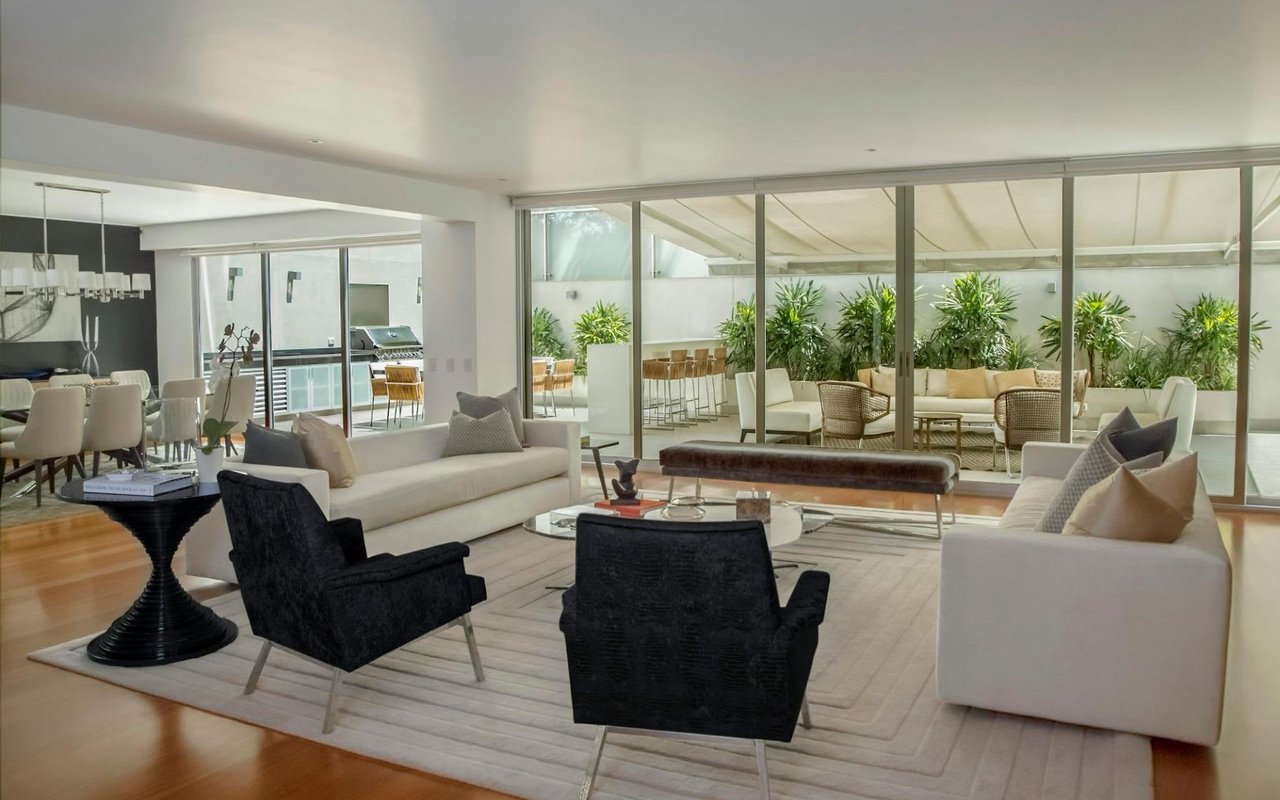
If you want a property that feels simple to enjoy and easier to leave when you travel, a condo may be the stronger match. Many Kaanapali condo properties are designed around convenience, shared amenities, and direct access to the resort environment.
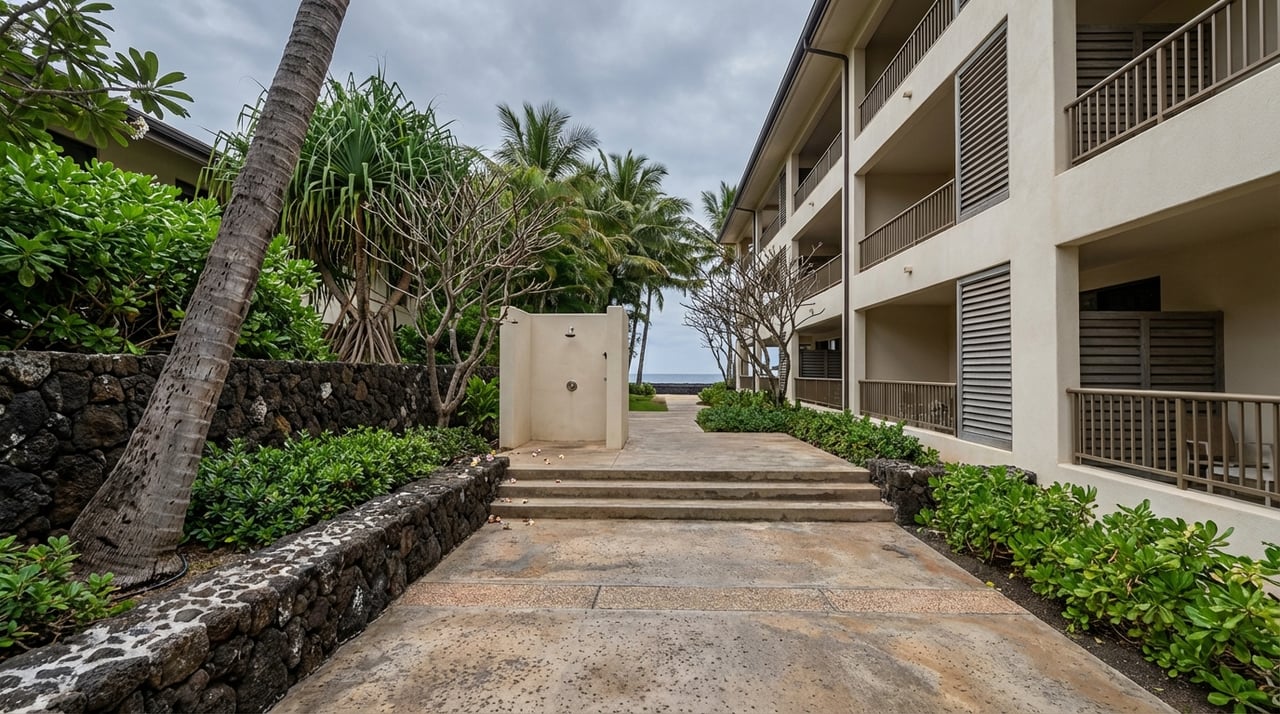
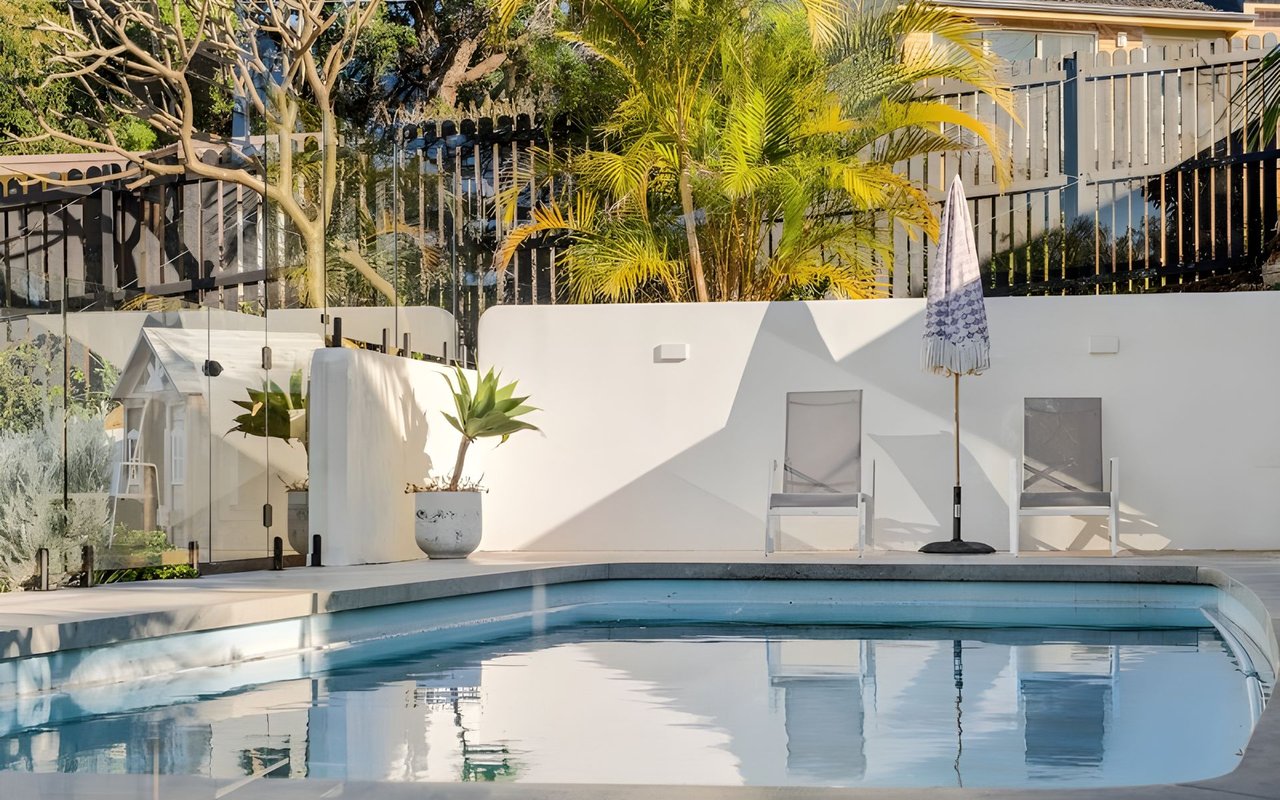
Kaanapali Alii highlights oceanfront pools, tennis, a fitness center, concierge service, grill pits, and proximity to Whalers Village. The Whaler includes individually owned studio, one-bedroom, and two-bedroom condos, along with a pool, hot tub, fitness room, lighted tennis courts, barbecue areas, concierge service, a 24-hour front desk, and in-unit kitchens.
That kind of setup often appeals to buyers who want to arrive, settle in quickly, and spend less time managing the property itself. If your vision of Kaanapali includes beach walks, amenities close at hand, and a more turnkey experience, a condo may align well with your goals.
Goal: More Privacy and Space
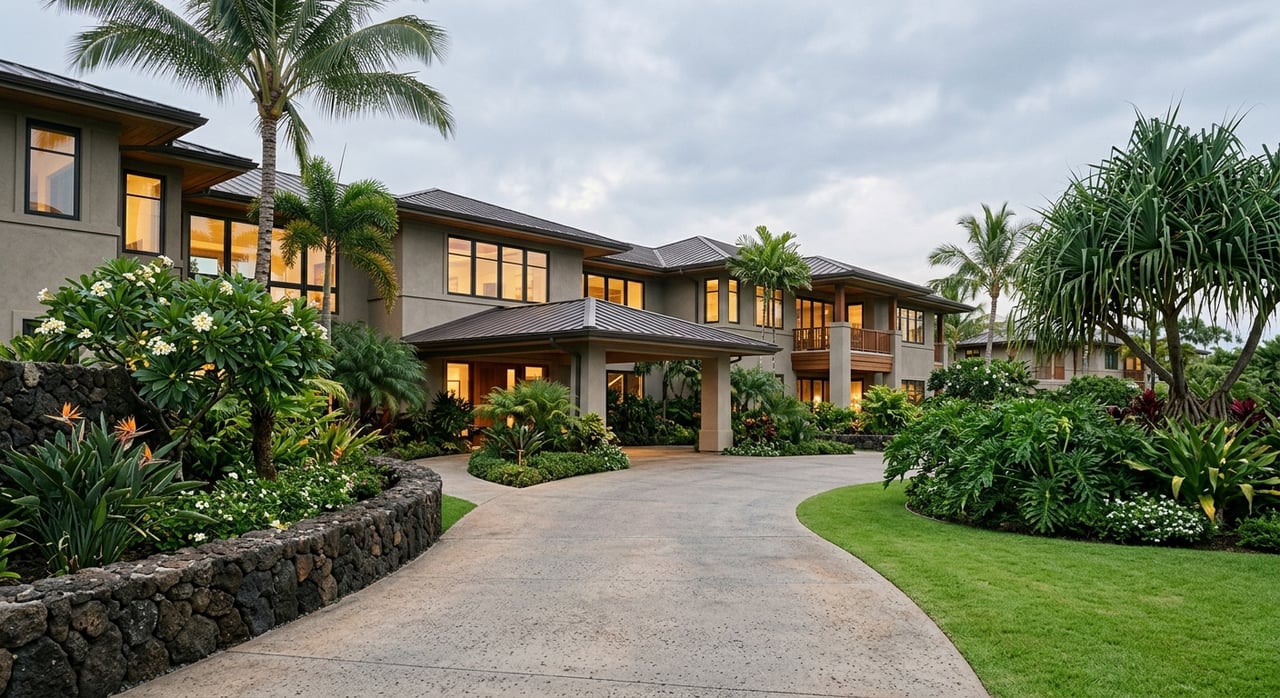
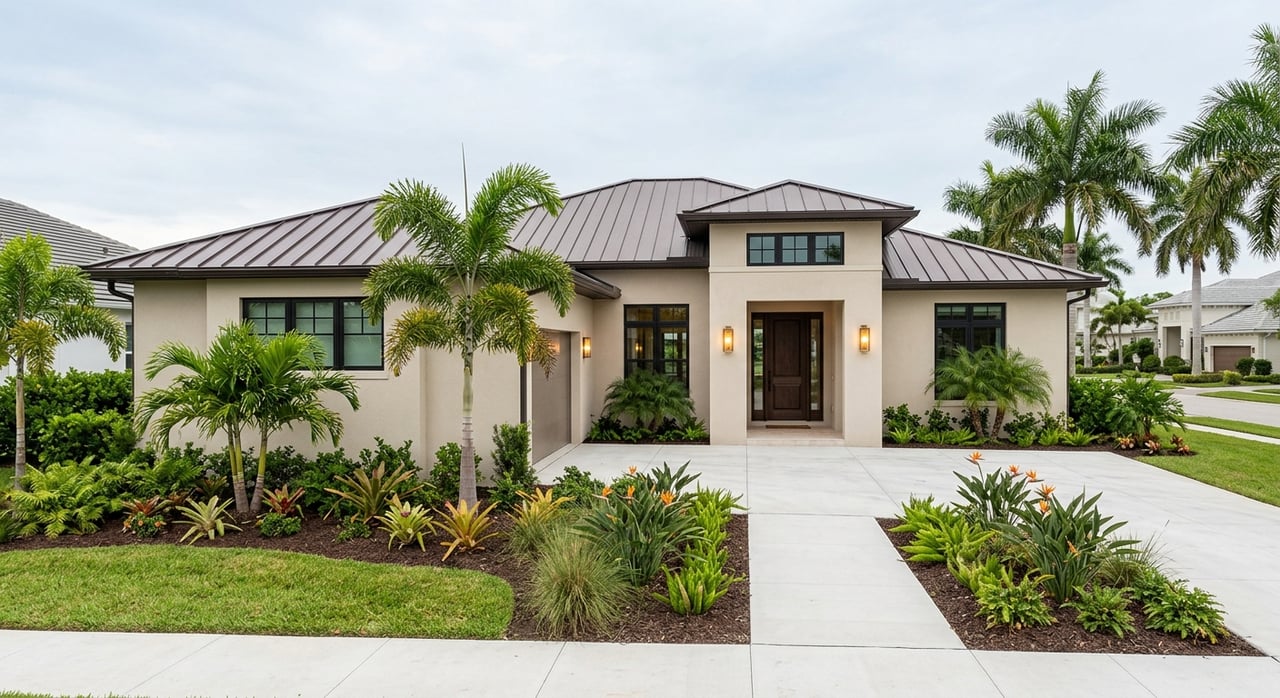
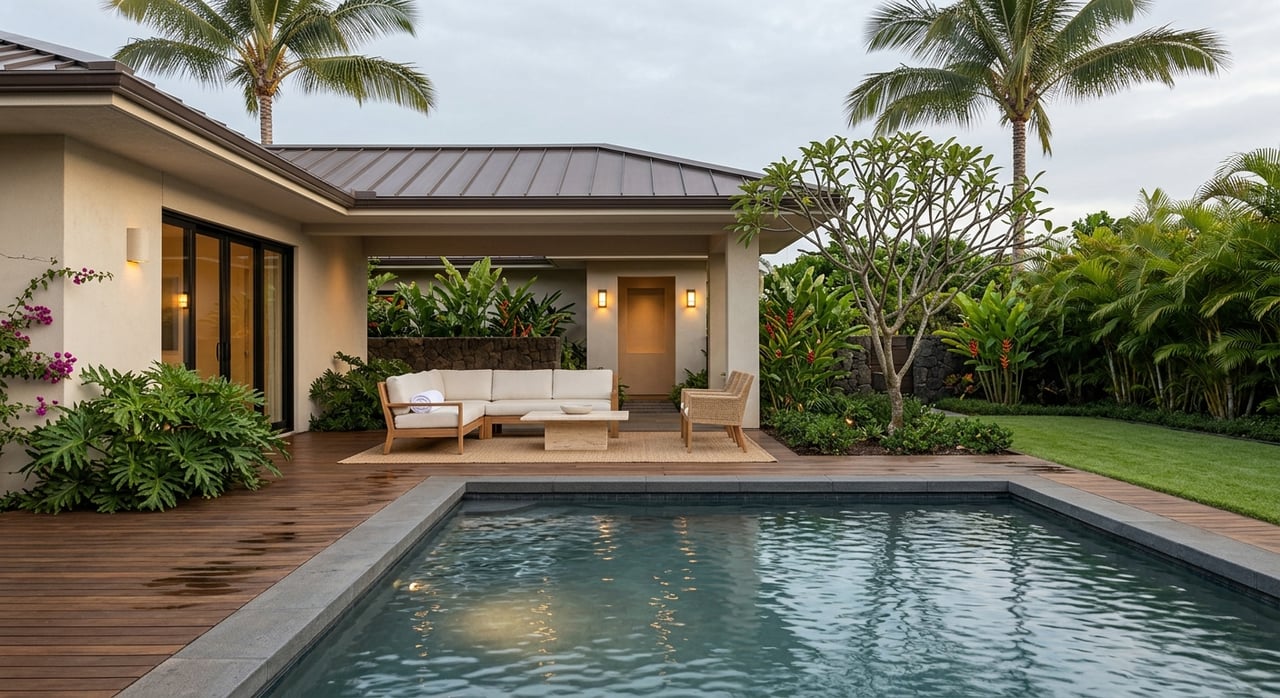
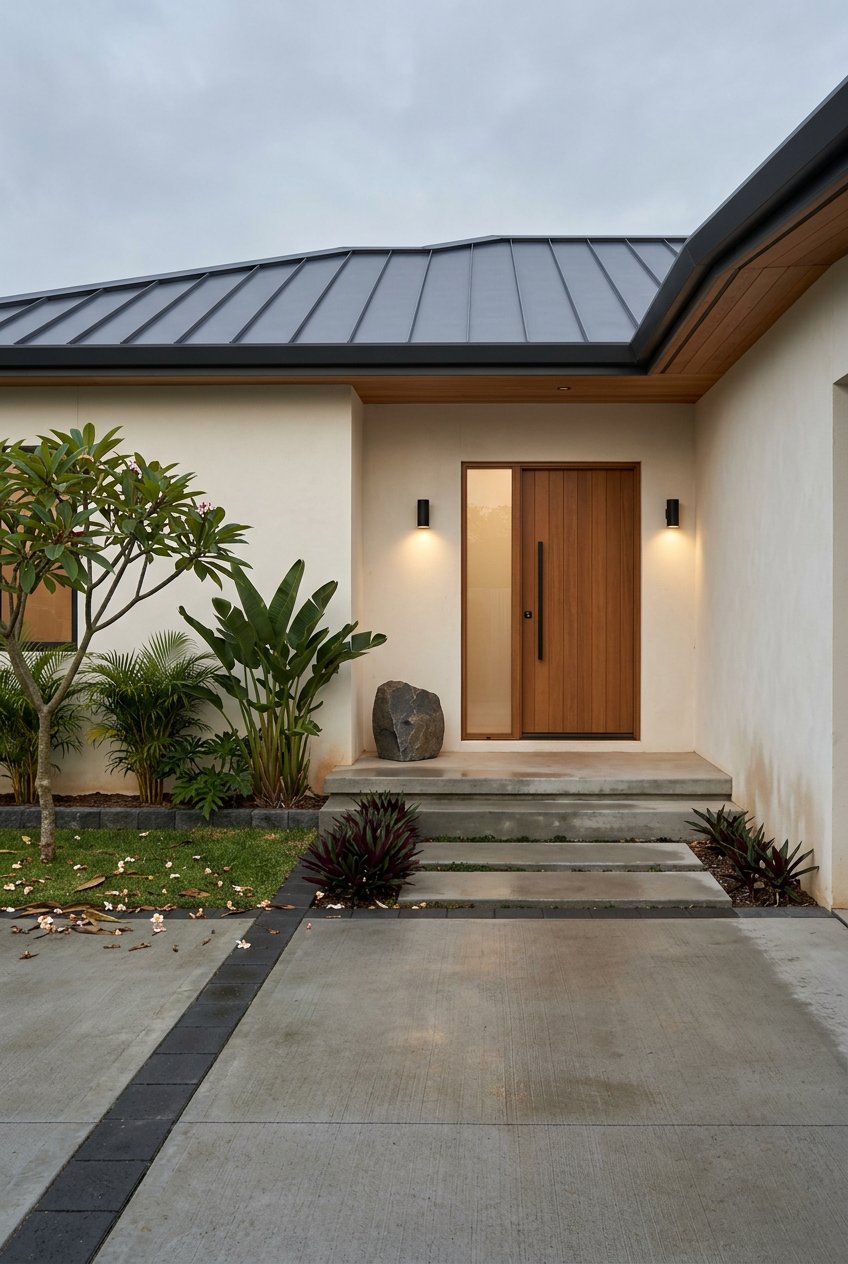
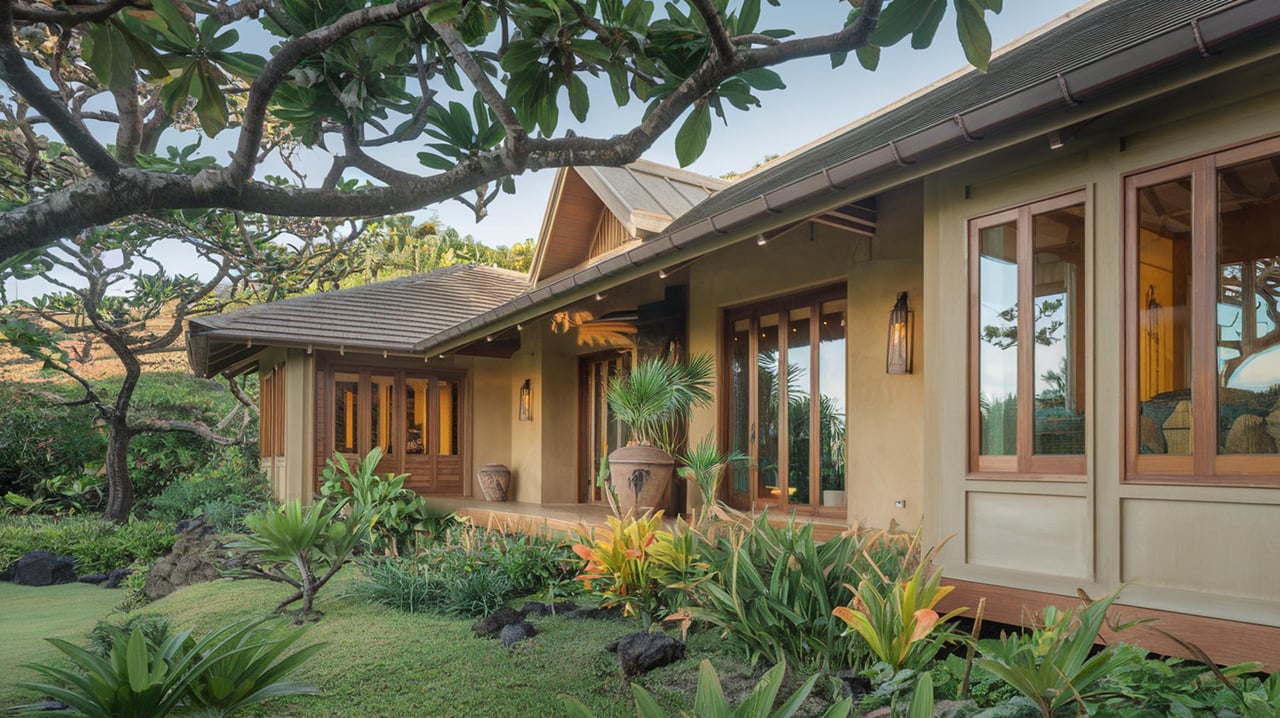
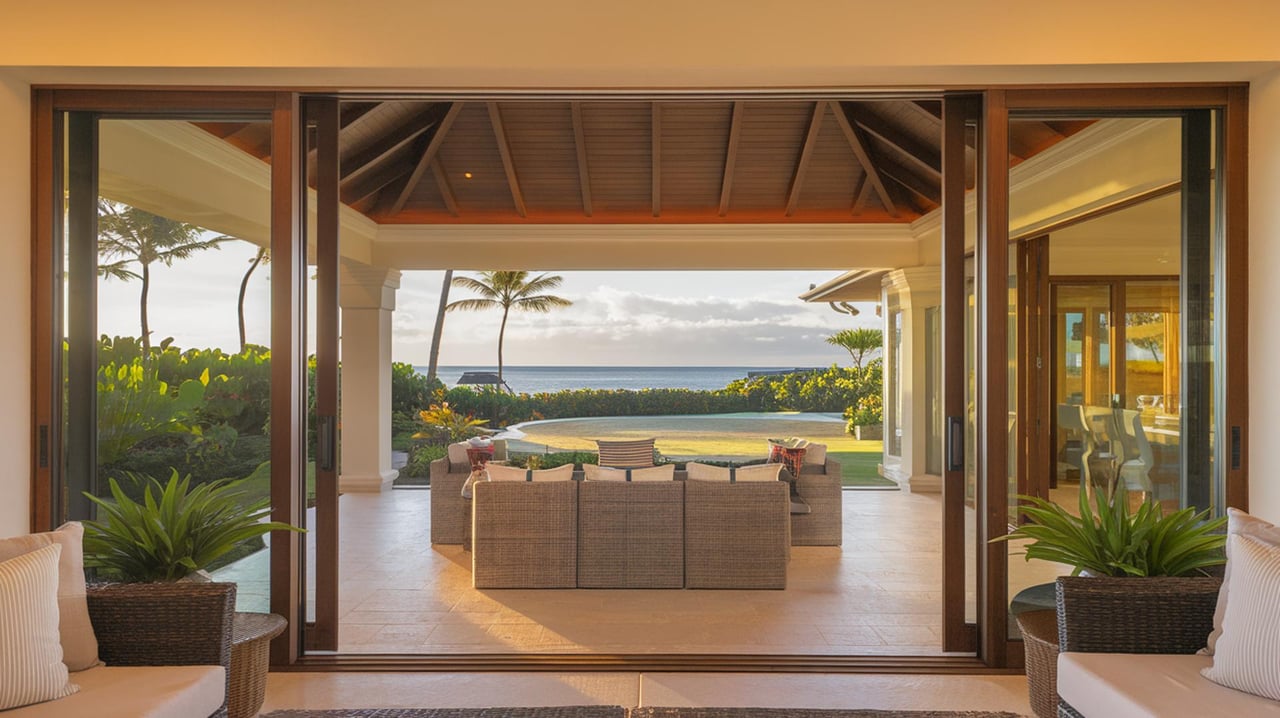
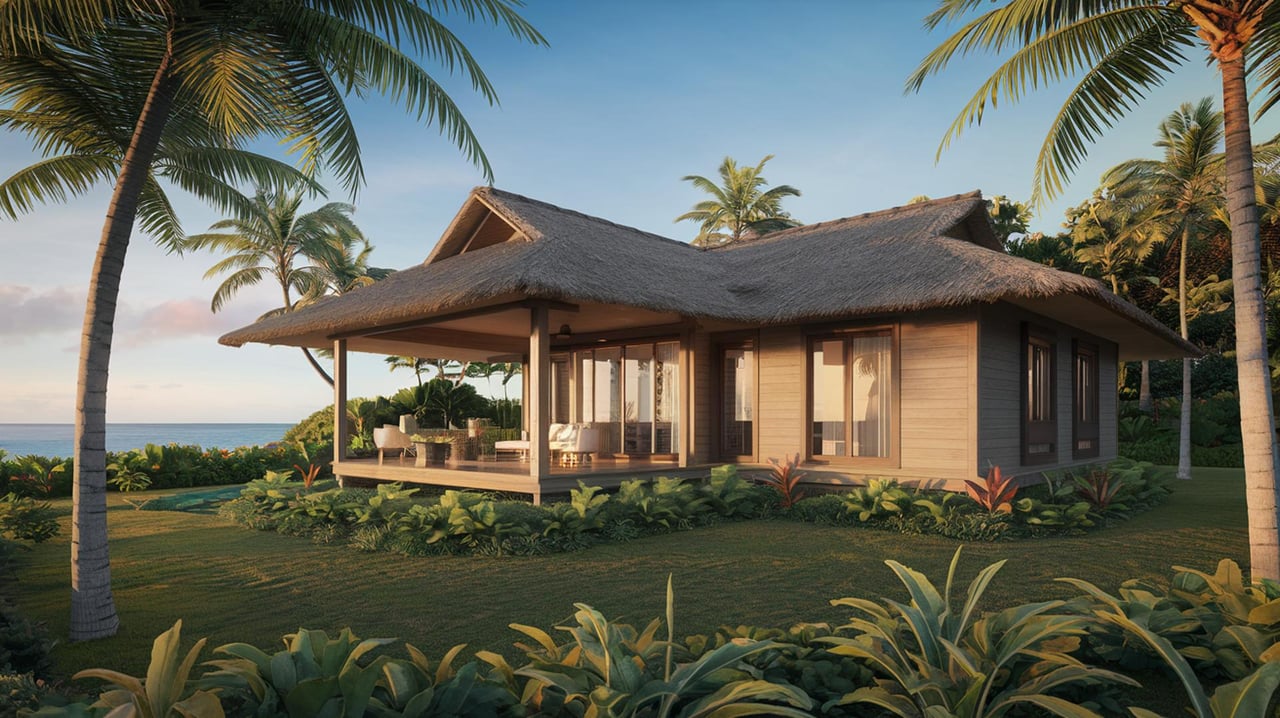
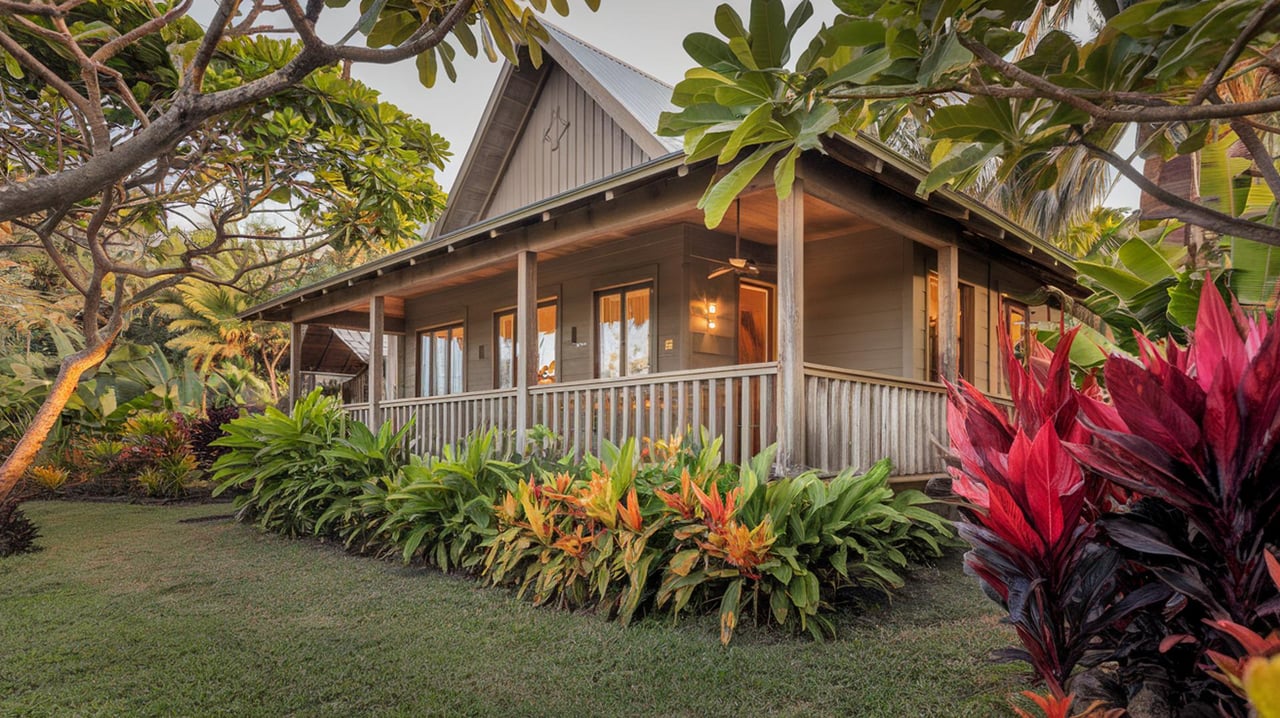
If you picture a more residential setting with a larger footprint and more separation from shared spaces, a home may be a better fit. Kaanapali Golf Estates offers a different ownership model from the resort-condo experience.
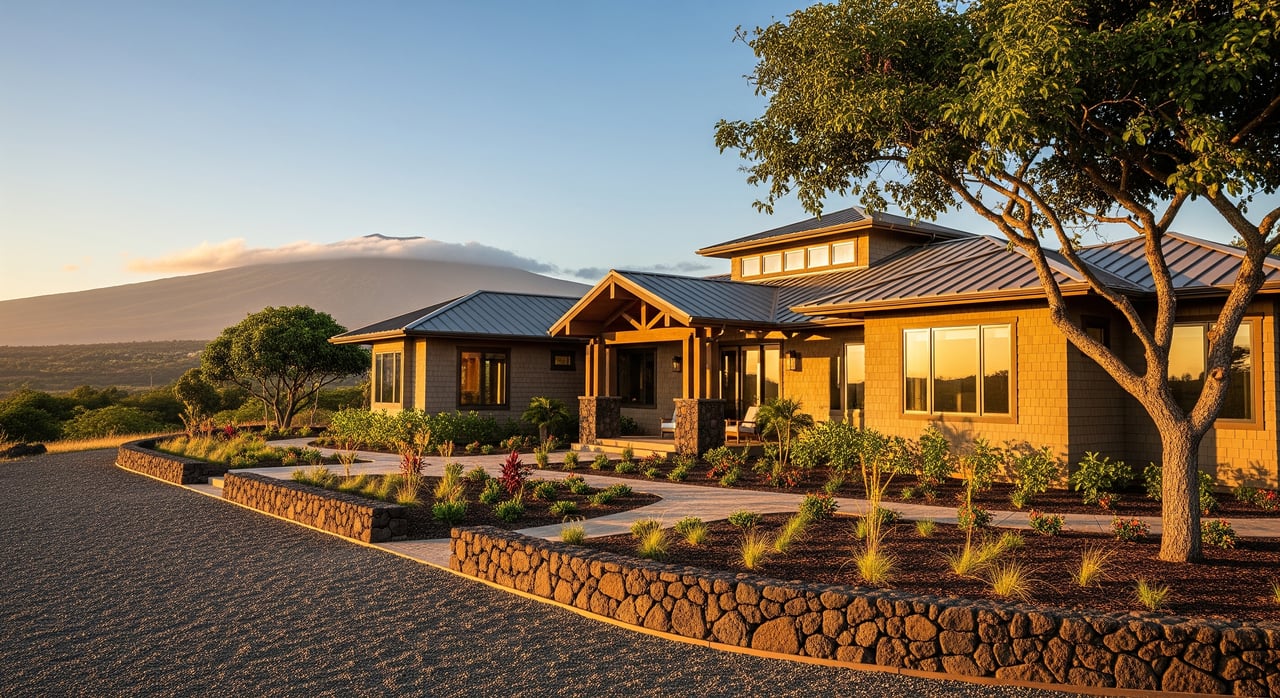
It describes itself as a master-planned luxury residential community with five neighborhoods, gated entries, common landscaped roadways, underground utilities, and architectural and urban design guidelines. For many buyers, that points to a more private and house-centered lifestyle while still staying close to Kaanapali’s beach and resort amenities.
If you value having more control over your immediate living environment, more room to spread out, or a quieter residential feel, a golf-course home may be the clearer choice. You are still within an HOA framework, but the experience is typically less like a resort and more like home ownership with neighborhood standards.
What Condo Ownership Often Means
A condo in Kaanapali can offer a strong lifestyle match, but it also comes with shared governance and shared costs. Hawaii condominium associations must adopt budgets at least annually, allocate common expenses across units, and include replacement reserves based on reserve studies.
That matters because condo dues are not only for current operations. They also help fund future repairs and replacements in the common areas and systems.
For you as a buyer, that usually means a few important tradeoffs:
- More predictable access to amenities
- Shared maintenance responsibilities through the association
- More rules and operating standards
- Less direct control over the property than with a detached home
This structure can be a real advantage if you prefer a more managed ownership experience. It is especially helpful for buyers who do not want to handle as much exterior upkeep or amenity maintenance on their own.
Verify the Ownership Structure
This is one of the most important steps in Kaanapali. Some properties are full-ownership condominiums, while others are vacation-ownership resort products.
That distinction affects what you are actually buying, how you can use it, and how you should evaluate its value. Before moving forward on any unit, make sure you confirm the exact title and ownership structure.
What Home Ownership Often Means
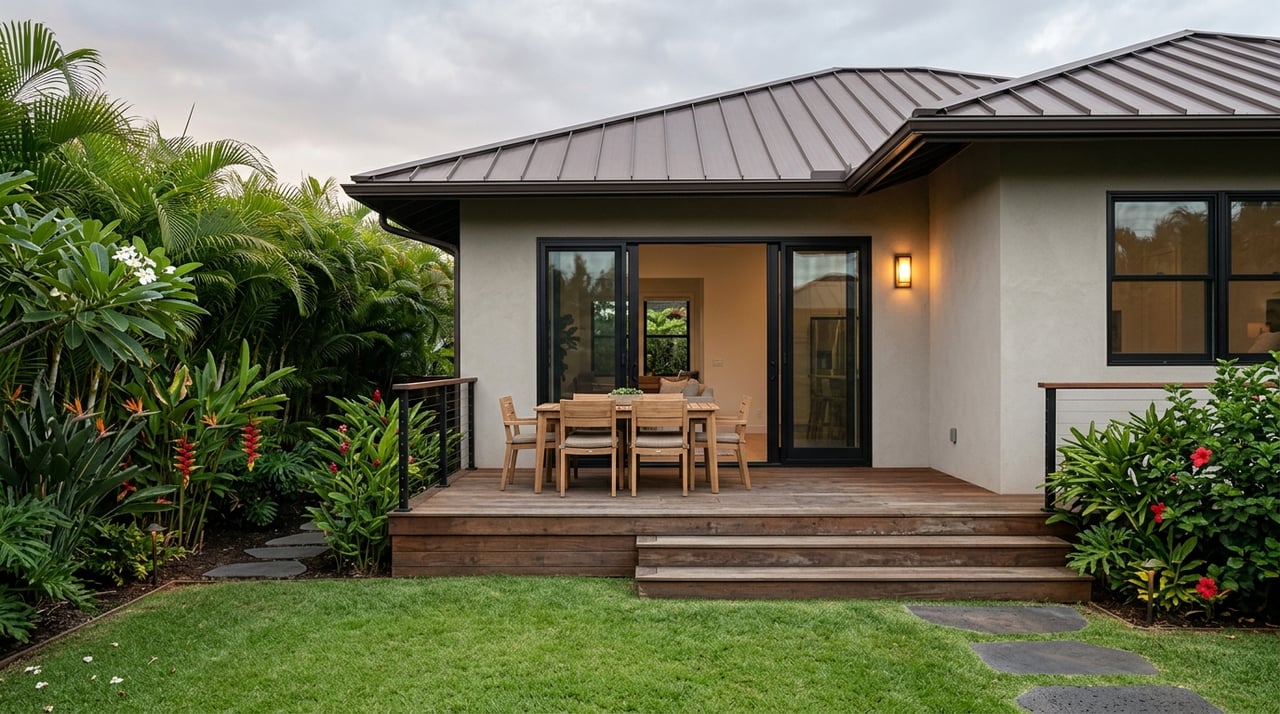
A home in Kaanapali can offer more privacy, more physical space, and a stronger residential feel. It can also come with more direct responsibility.
In Kaanapali Golf Estates, the HOA portal highlights access to dues, meeting minutes, architectural guidelines, maintenance requests, and HOA documents. That tells you the community still operates within a structured framework, but the owner generally takes on more responsibility for the house-specific upkeep than a condo owner would.
For many buyers, that is a worthwhile trade. If you want the freedom that comes with a detached home, you also need to be comfortable with the added care, planning, and oversight that home ownership usually requires.
Think Carefully About Rental Plans
In Kaanapali, rental use is not just a side detail. It should be part of your buying decision from the start.
Maui County says legally operated vacation rentals are generally in approved zoning districts such as hotel, business, or historic districts, or they operate under a conditional permit. The county also states that transient vacation rentals outside the hotel district are prohibited, while bed-and-breakfasts may be allowed in business and some residential districts with a permit.
That means you should not assume a Kaanapali property can be used as a short-term rental simply because it is in a resort area. The location, zoning, permits, and property type all matter.
Short-Term Rental Homes Need Extra Review
For short-term rental homes, Maui County says permits are limited by community plan region, applications are filed through MAPPS, and the process can take several months. If rental income is one of your main goals, this should be part of your due diligence before you go under contract.
You will want to verify:
- Zoning
- Permit availability
- Association rules
- Exact title and ownership structure
- Likely tax classification
These are not small details. They can directly affect whether a property supports your intended use.
Understand How Taxes and Use Can Change Costs
Two similar-looking properties in Kaanapali can carry very different costs depending on how they are used. Maui County’s real property tax classifications include owner-occupied, long-term rental, apartment, hotel and resort, and TVR-STRH categories, and the county says classification is based on highest and best use.
The county also states that it has a 3% countywide transient accommodations tax, and if a host pays the State TAT, the county tax generally applies as well. For buyers considering part-time use, rental activity, or future income plans, that is an important part of the ownership math.
Exemptions Matter Too
Owner-occupied homes may qualify for the county home exemption only if the owner occupies the property for more than 270 calendar days per year and does not rent the entire premises for any portion of the year. Maui County also offers a long-term rental exemption for parcels leased for 12 consecutive months or more, with different exemption levels for owner-occupied and non-owner-occupied parcels.
The key takeaway is simple: your intended use can shape your taxes, compliance requirements, and carrying costs. A property that works well as a primary residence may look very different on paper if you plan to use it as a second home or rental.
Condo or Home: A Simple Comparison
If you are still deciding, this quick comparison can help clarify the fit.
| Priority | Condo May Fit Better | Home May Fit Better |
|---|---|---|
| Convenience | Shared maintenance and amenities | More owner-managed upkeep |
| Lifestyle | Resort-style experience | Residential feel near the resort |
| Privacy | More shared spaces | More separation and space |
| Control | More association oversight | More direct control of the home |
| Rental review | Must verify rules and structure | Must verify zoning, permits, and taxes |
How to Make the Right Choice for You
A good Kaanapali purchase starts with clarity. If your priority is easy ownership, amenities, and a resort environment, a condo or vacation-oriented product may be the closer match. If your priority is privacy, space, and a more residential setting, a golf-course home may better support the lifestyle you want.
If rental income is part of the picture, your review needs to go deeper. In that case, zoning, permit pathways, association rules, ownership structure, and tax classification should all be confirmed before you commit.
Working through those questions early can save you time, stress, and expensive surprises later. In a market as specialized as Kaanapali, the right choice is less about what sounds best in general and more about what fits your goals in real life.
If you want help comparing Kaanapali condos and homes through the lens of your lifestyle, ownership plans, and long-term goals, Leslie-Ann Yokouchi and The Yokouchi Team offer the local insight and personalized guidance to help you make a confident decision.
FAQs
What is the main difference between a Kaanapali condo and a Kaanapali home?
- A Kaanapali condo usually offers shared amenities, shared maintenance, and more association oversight, while a Kaanapali home usually offers more privacy, more space, and more direct owner responsibility.
Are all Kaanapali condos full ownership properties?
- No. Some Kaanapali properties are conventional full-ownership condominiums, while others are vacation-ownership resort products, so you should verify the exact ownership structure of any unit.
Can you use any Kaanapali property as a short-term rental?
- No. Maui County says short-term rental use depends on zoning, permits, and other rules, so you should confirm legal use before buying.
Do Kaanapali condo fees cover more than routine maintenance?
- Yes. Hawaii condominium associations must budget for common expenses and replacement reserves, which means dues generally help cover both current operations and future capital repairs or replacements.
Can a Kaanapali owner-occupied property qualify for a Maui County home exemption?
- Yes, if the owner occupies the property for more than 270 calendar days per year and does not rent the entire premises for any portion of the year, according to Maui County.
Is a Kaanapali golf-course home outside of HOA rules?
- No. Kaanapali Golf Estates operates within an HOA structure that includes community documents, dues, and architectural guidelines.