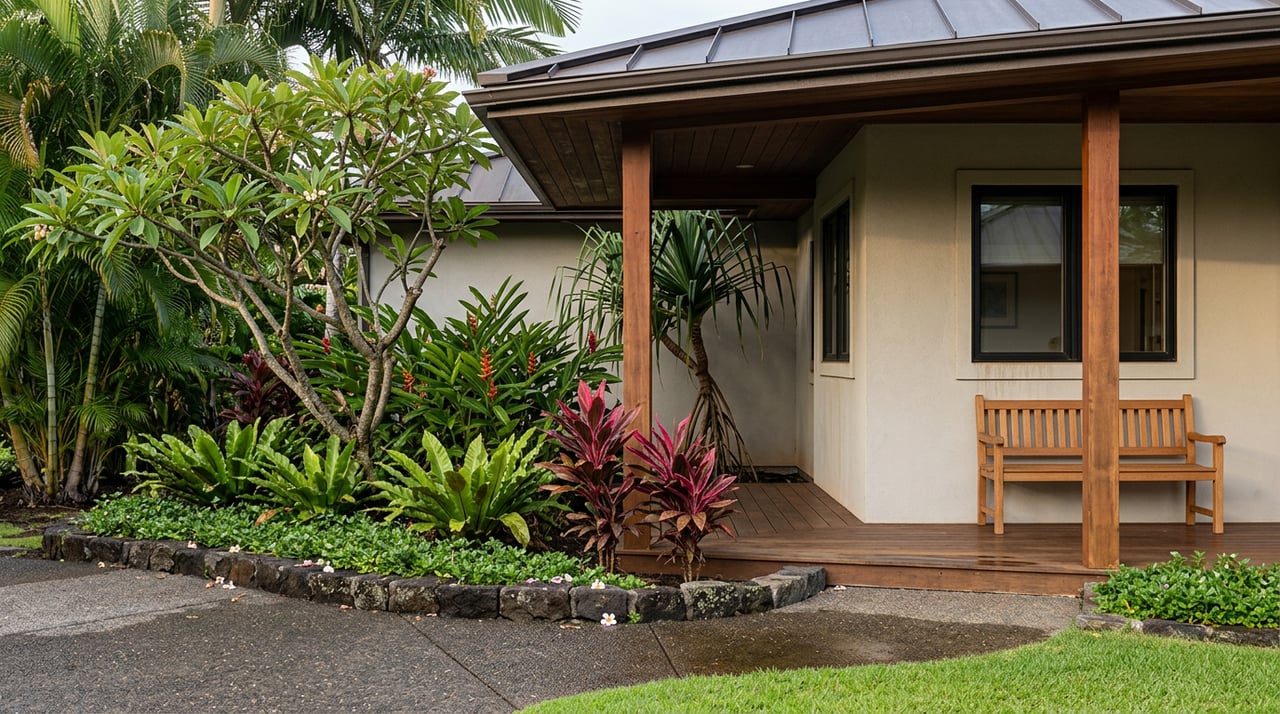
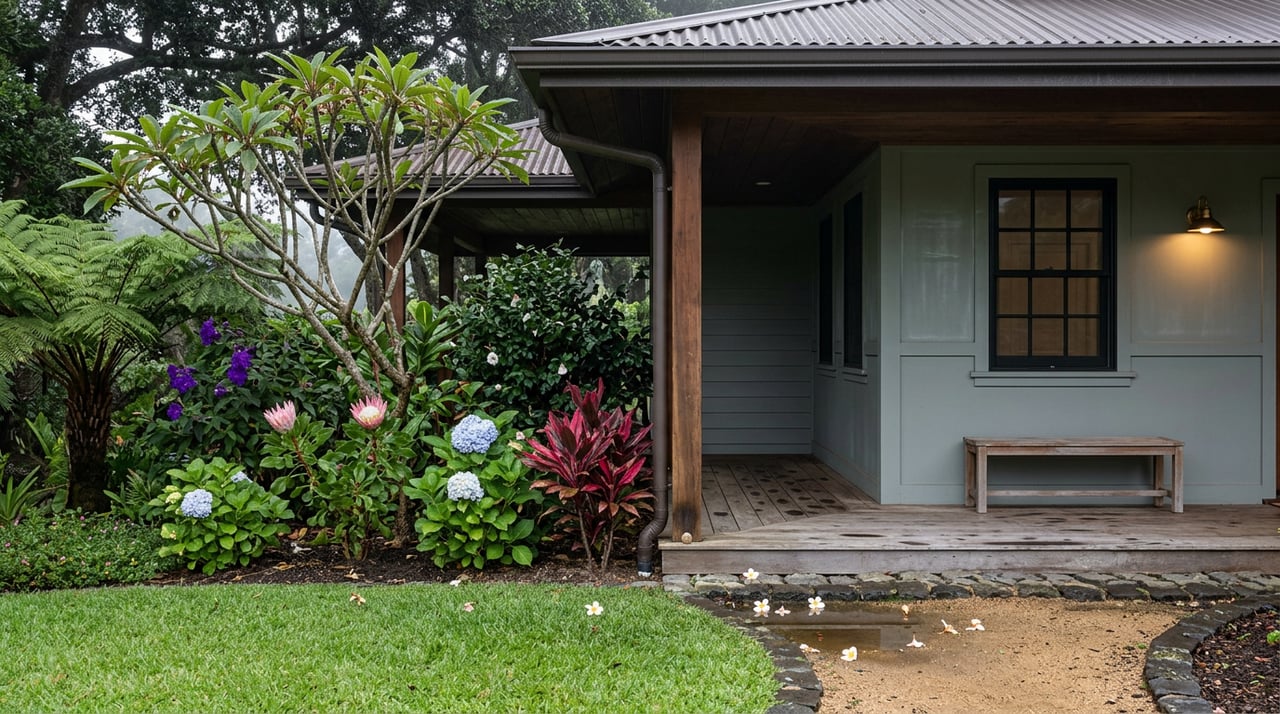
Wondering if buying acreage Upcountry is your path to more space, privacy, and a different kind of Maui lifestyle? If you are looking at Kula, Pukalani, or Makawao, it helps to know that larger parcels often come with more than just beautiful views and elbow room. You also need to think carefully about land use, water, wastewater, maintenance, and permits before you fall in love with a property. Let’s dive in.
Why Upcountry acreage feels different
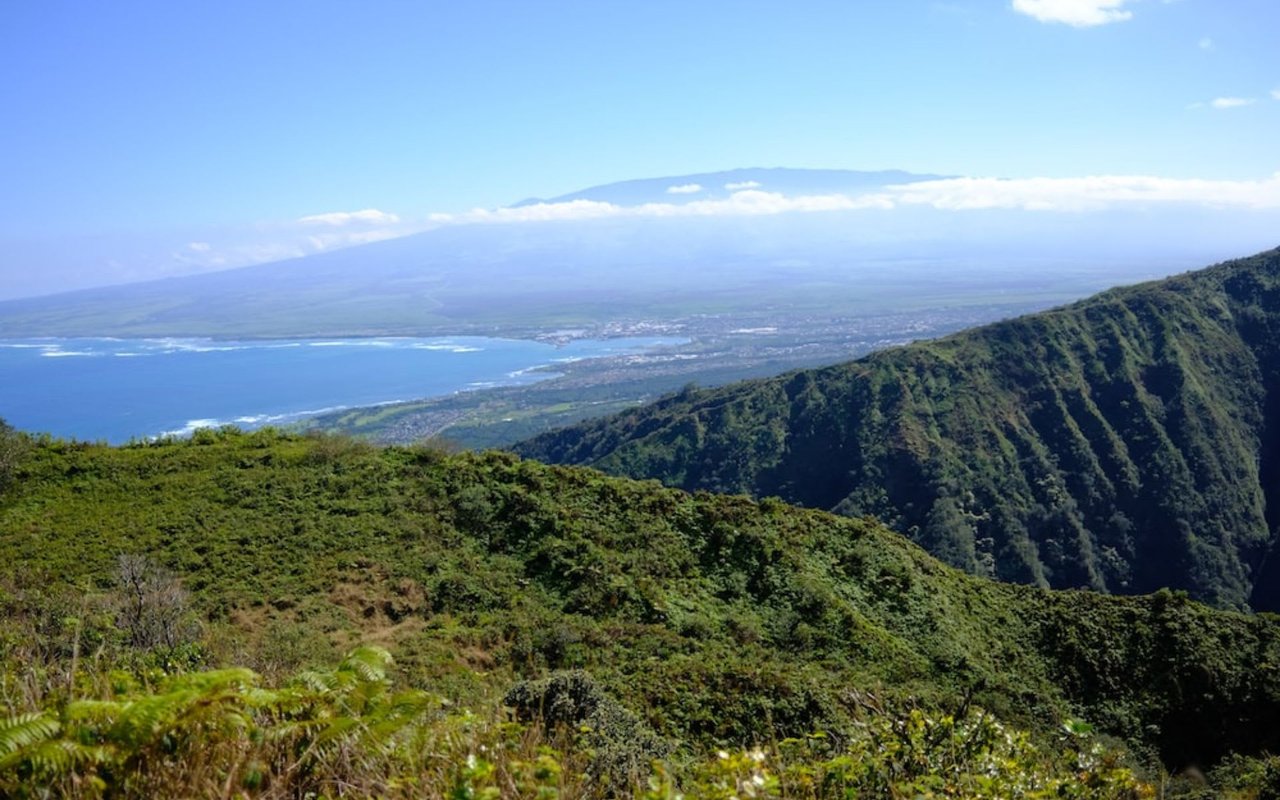
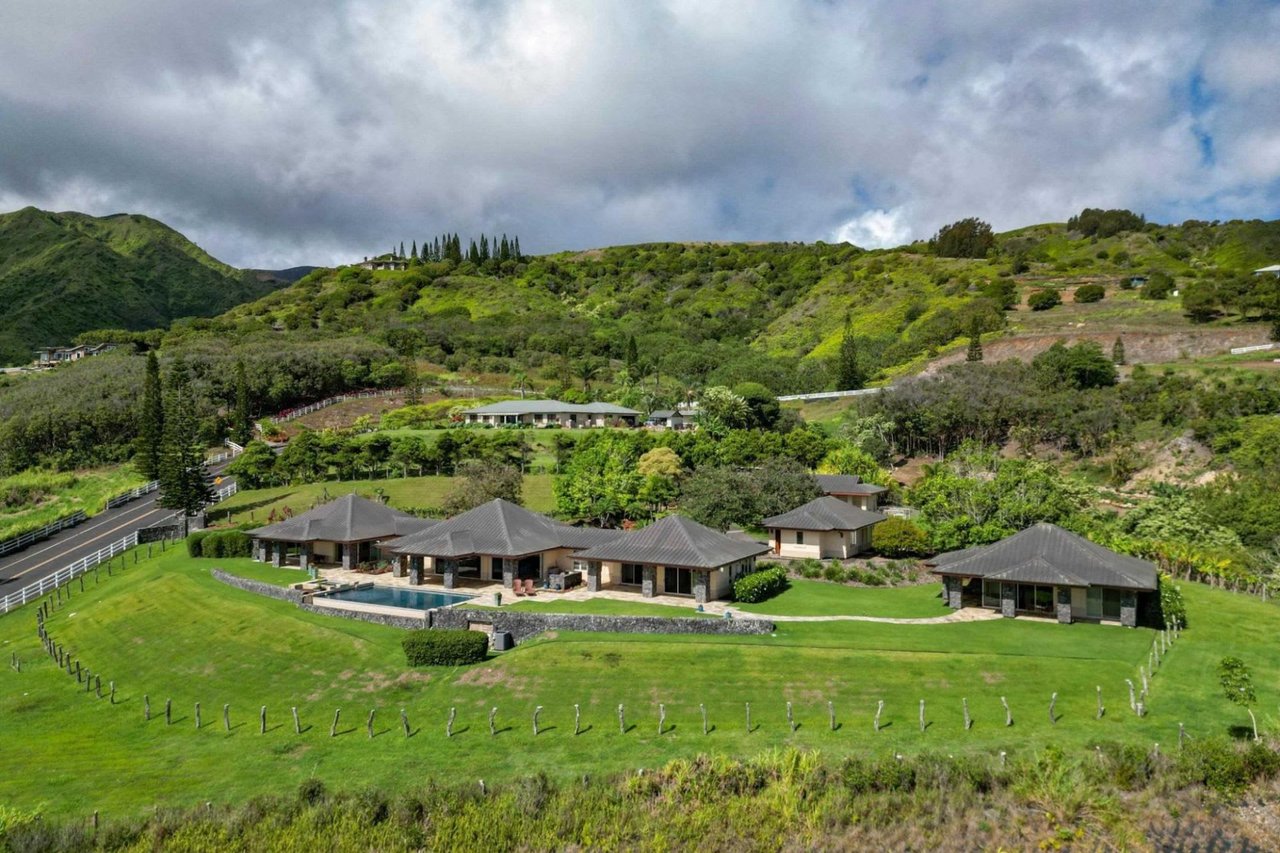
Acreage in Kula, Pukalani, and Makawao sits within a part of Maui shaped by long-standing agricultural character and county planning goals. The Makawao-Pukalani-Kula Community Plan emphasizes preserving the area’s unique Upcountry qualities, and Kula’s county-run Agricultural Park reflects that identity with farm lots ranging from 10 to 30 acres.
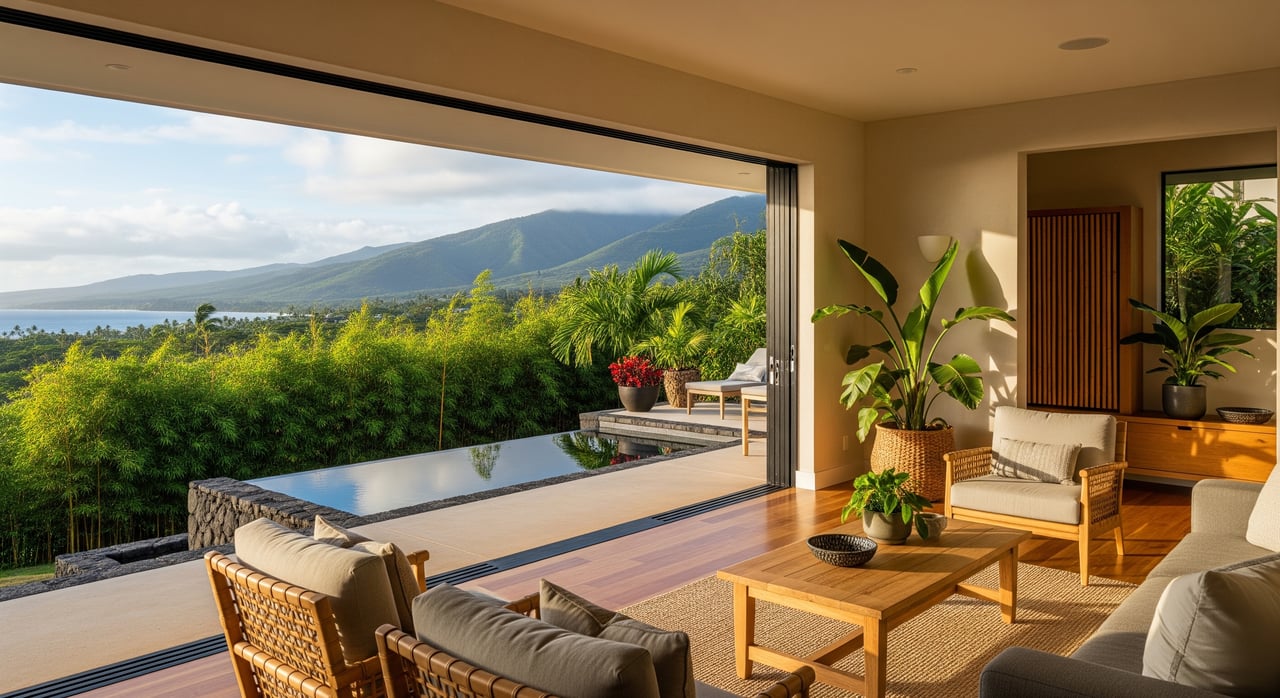
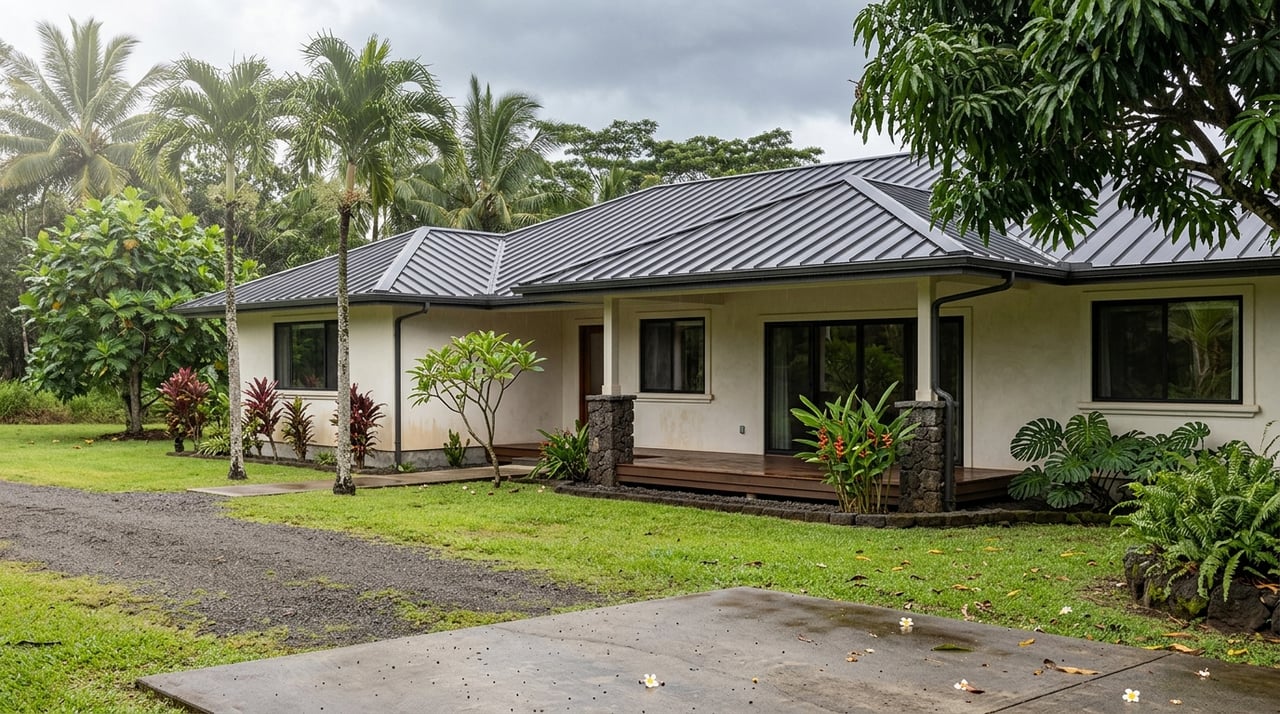
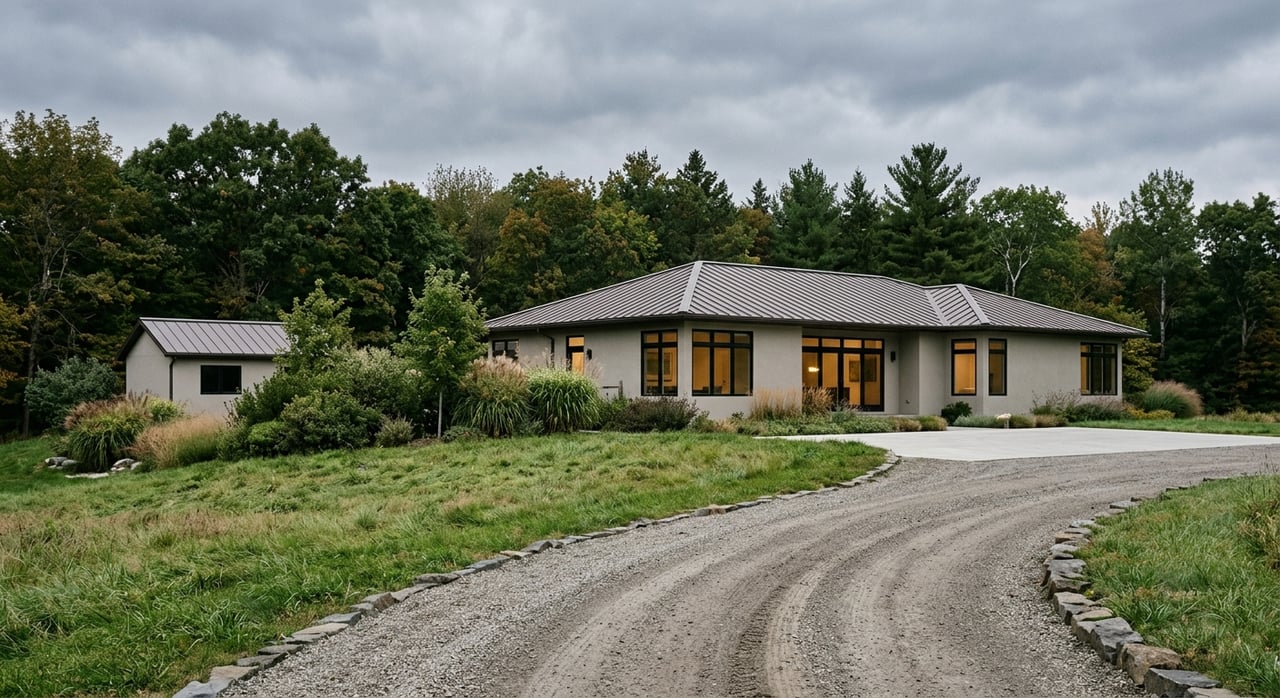
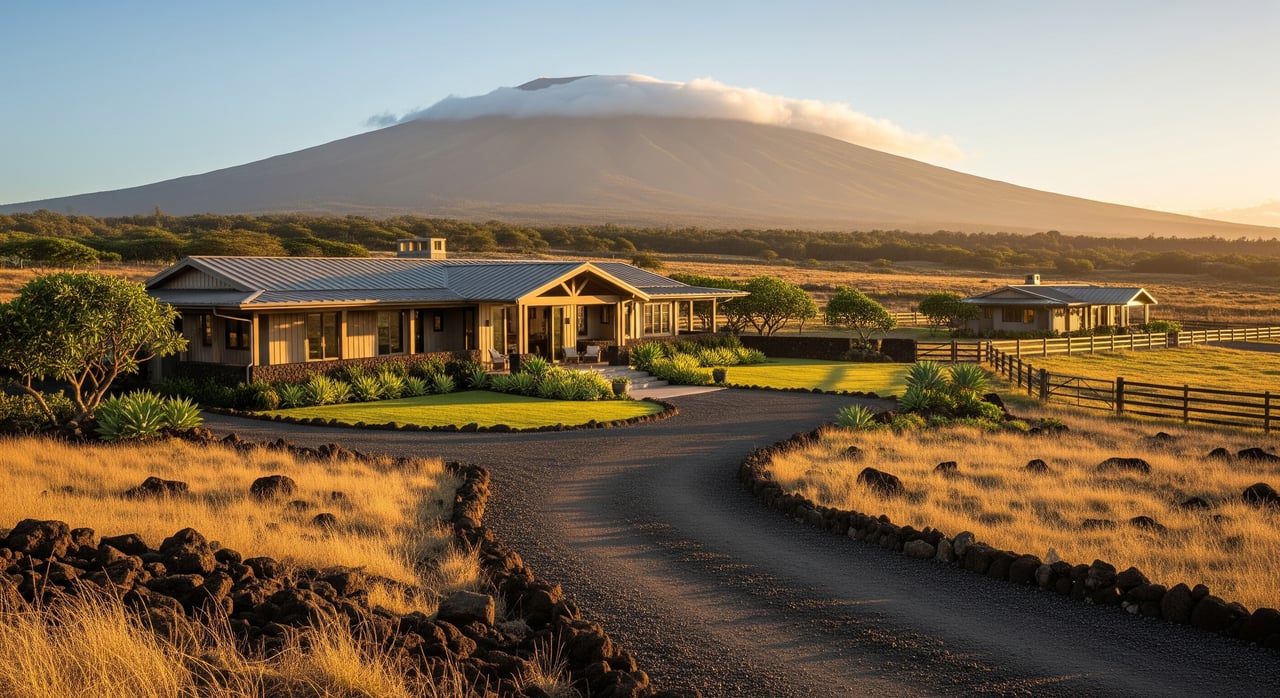
For you as a buyer, that means a larger parcel may be part of a mixed residential and agricultural landscape rather than a typical subdivision setting. The open space can be a major draw, but it often comes with a broader stewardship role than many buyers expect.
Start with land-use verification
Before you make an offer, confirm exactly what applies to the parcel. Maui County’s Land Use Designation Form can verify zoning, community plan designation, state land-use district, flood zone, and other special districts.
That step matters because the county says its digital zoning map is for general reference only. Final confirmation needs to come from Planning, and the county notes that land-use designations are accurate at the time of confirmation but can change.
Why parcel details matter
Two properties on the same road can have very different rules or overlays. If a parcel includes multiple district or designation layers and you are considering subdivision, the county may require a licensed surveyor map showing metes and bounds and each applicable district or designation.
If you are thinking about a use that may be considered unusual or unreasonable in the agricultural or rural district, a special use permit may be required. The county also notes that applications over 15 acres move from county review to the Land Use Commission.
Do not assume subdivision is simple
A large lot does not automatically mean an easy future split. Subdivision plans can trigger added land-use review, survey requirements, and in some cases tax consequences.
If agricultural-use assessment is part of your thinking, Maui County notes that rollback taxes can apply in certain subdivision or non-use situations. This is one reason Upcountry acreage should be evaluated parcel by parcel, not by lot size alone.
Understand agricultural use and tax treatment
One of the most common misconceptions about acreage is that agricultural zoning automatically creates agricultural tax treatment. Maui County says agricultural-use tax treatment depends on actual agricultural use, not just zoning or parcel size.
The county also states that only the portions actually in agricultural use qualify. Agricultural use is a preferential assessment, not an exemption, which is an important difference when you are budgeting for ownership.
What usually does not count
A large yard, fruit trees, or a home garden for personal use does not automatically qualify as agricultural use. Maui County says personal-use yard space, setbacks, and home-use plantings generally do not qualify for agricultural-use assessment.
If you are considering pasture or animals, the county says acceptable pasture use should be clear and evident and requires fencing. In other words, if agricultural use is part of your financial plan, verify the facts early rather than relying on assumptions.
Know the minimum lot size
Maui County states that the agriculture district has a 2-acre minimum lot size. That does not answer every question about a specific parcel, but it does give useful context when you are comparing land in Upcountry.
Water is a major diligence item
Water should be one of your first practical questions when buying acreage in Kula, Pukalani, or Makawao. Maui County describes the Upcountry water system as its largest geographically, and it includes Kula, Pukalani, Makawao, and Haiku.
The county’s 2024 Makawao water-quality report says the Upcountry systems are interconnected and can move water up or down depending on drought conditions or abundant flow. At the same time, Upper Kula water does not currently flow to Lower Kula and Makawao because of different disinfection methods.
For Makawao specifically, the 2024 report says 78% of system water came from streams and 22% from groundwater. That helps show why broad assumptions about water service can be risky.
Water questions to ask early
Because service can vary by parcel, ask specific questions before you commit. A practical checklist includes:
- Is county water service available to this parcel?
- Is there an existing meter, and if so, what type?
- Are there any known service limitations or site constraints?
- What should you expect for irrigation needs on the property?
Acreage buyers often focus on the house and views first, but water setup can have a major impact on cost, use, and future plans.
Wastewater deserves close attention
If the property uses an individual wastewater system, treat that as a major due-diligence item. The Hawaii Department of Health says cesspools are substandard systems, new cesspools are prohibited, and existing cesspools must be upgraded by 2050.
That matters even more in this part of Maui because the Department of Health identifies Upcountry Maui as the highest-priority area in the state for cesspool replacement planning. If a property has a cesspool or an older wastewater setup, ask about it right away.
What to verify about wastewater
For any acreage property, try to confirm:
- The current system type
- The age of the system
- Whether there are known upgrade needs
- What the likely replacement path may be
The Department of Health also says that for an individual wastewater system, the owner generally needs a Hawaii-licensed civil engineer, a percolation test, plan review, and approved construction inspection before the system can be used. That can affect both timing and budget.
Acreage ownership means more maintenance
A bigger parcel often means a bigger maintenance picture. Maui County says owners of property that abuts public streets must keep sidewalks or shoulders clear and passable, with an exception for lots greater than 15 acres in agricultural districts. The county also states that driveways are the owner’s responsibility.
On acreage, the real day-to-day work often goes beyond mowing or basic landscaping. You may be managing brush, fences, access routes, drainage, and other site conditions across a much larger footprint.
Wildfire preparation matters
Maui County and the Maui Fire Department emphasize wildfire preparedness and defensible space around homes. For Upcountry acreage, that makes routine site management especially important.
If you are comparing multiple parcels, think about how usable and maintainable the land is, not just how large it is on paper. A property that looks ideal in photos may involve more ongoing work than you expect.
Check permit requirements before making plans
It is easy to look at acreage and imagine future improvements right away. But Maui County requires a building permit for the construction, alteration, moving, demolition, repair, and use of any building or structure within the county.
Depending on the project scope and location, multiple county and state agencies may review a permit. If you are thinking about expanding, adding structures, or making major site improvements, verify the permit path before you assume a project will be straightforward.
A smart way to evaluate Upcountry acreage
When you buy acreage in Kula, Pukalani, or Makawao, the safest approach is to slow down and review the fundamentals carefully. The county and state materials point to the same practical lesson: these properties should be evaluated one parcel at a time.
A simple way to frame your diligence is to focus on five essentials:
- Land use and district overlays
- Agricultural-use realities and tax treatment
- Water service and irrigation expectations
- Wastewater system type and upgrade needs
- Maintenance, wildfire readiness, and permit requirements
That kind of review can help you move forward with more clarity and fewer surprises.
If you are exploring Upcountry acreage and want grounded guidance on how a property fits into the bigger Maui picture, working with a local team can make the process feel much more manageable. For thoughtful, high-touch support as you compare parcels and weigh your options, connect with Leslie-Ann Yokouchi.
FAQs
What should I verify before buying acreage in Kula, Pukalani, or Makawao?
- You should verify land use, zoning, community plan designation, flood zone, water service, wastewater system type, maintenance obligations, and permit needs for the specific parcel.
Does agricultural zoning automatically lower property taxes on Upcountry acreage?
- No. Maui County says agricultural-use tax treatment depends on actual agricultural use, and only the portions actually in agricultural use may qualify.
Does a home garden count as agricultural use on Maui acreage?
- Usually not. Maui County says personal-use yard space, setbacks, and home-use plantings generally do not qualify for agricultural-use assessment.
What should I know about cesspools on Upcountry Maui properties?
- The Hawaii Department of Health says cesspools are substandard, new cesspools are prohibited, and existing cesspools must be upgraded by 2050, with Upcountry Maui identified as a priority area for replacement planning.
Can I assume a large Upcountry parcel can be subdivided later?
- No. Parcel splits can require added land-use review, survey work, and in some cases may trigger rollback taxes tied to agricultural-use assessment.
Why is water such an important issue for Upcountry acreage buyers?
- Water systems in Upcountry are interconnected but not identical, so you should confirm parcel-specific service, meter availability, irrigation expectations, and site constraints rather than assuming all properties have the same setup.