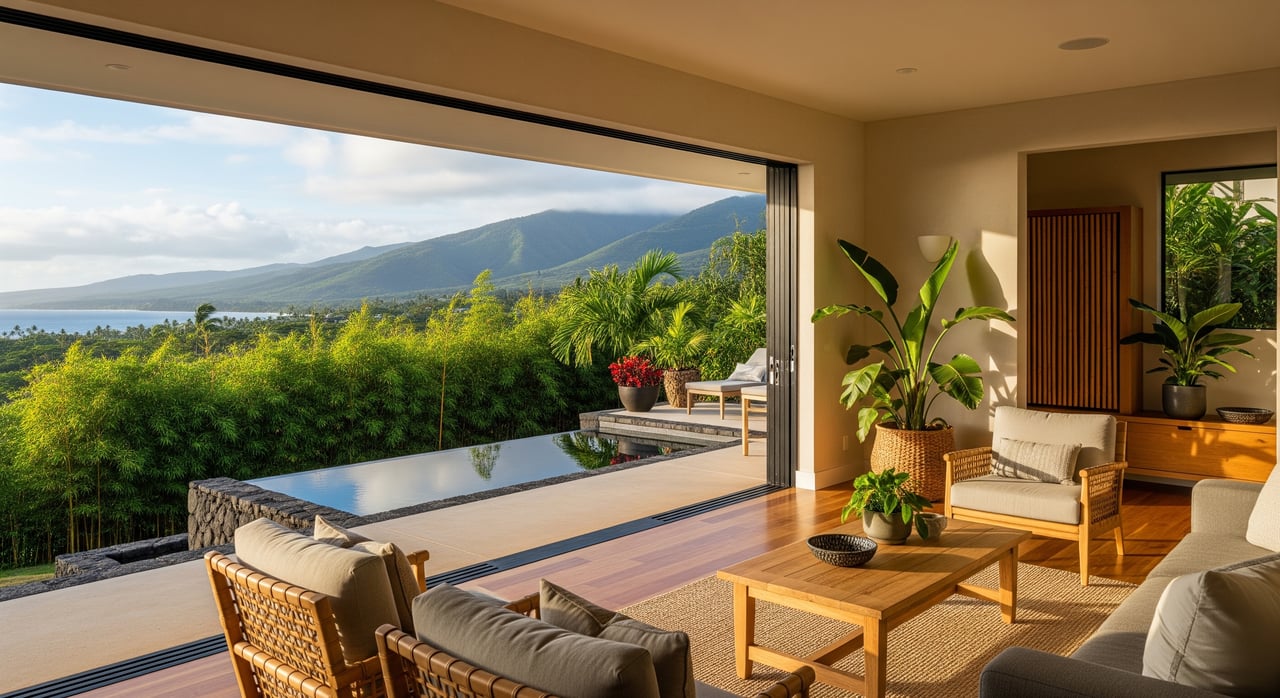
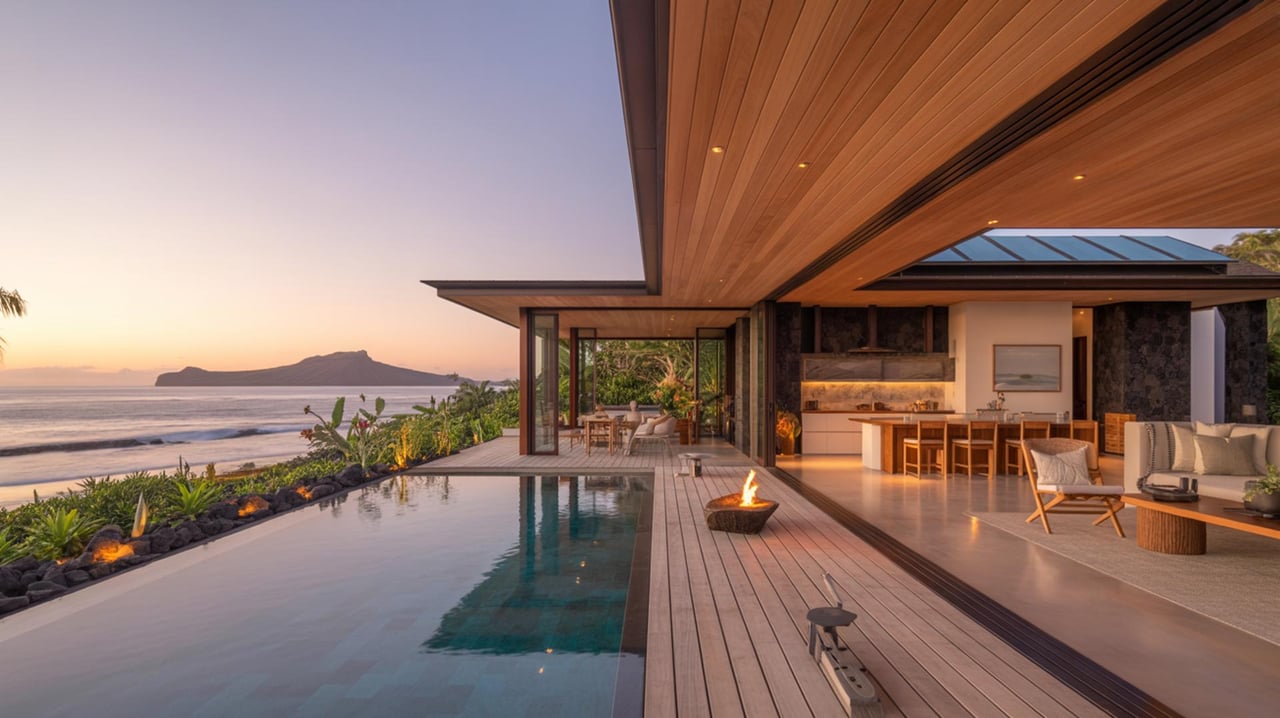
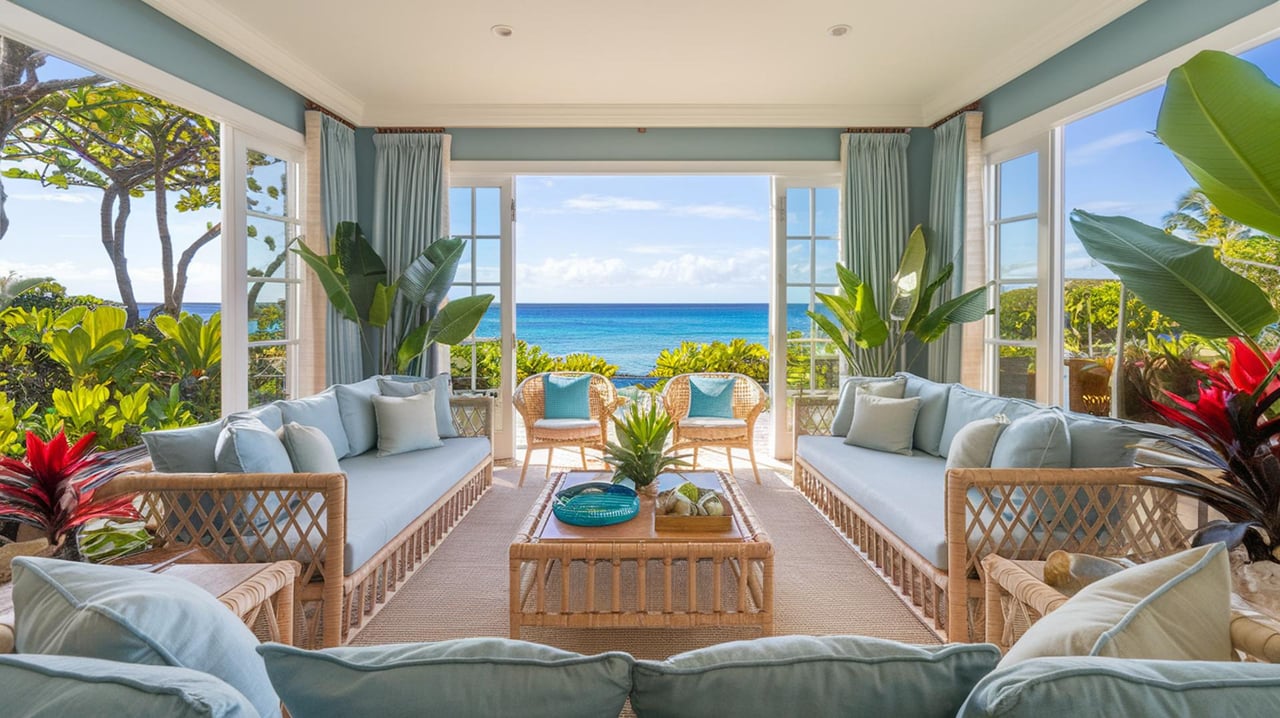
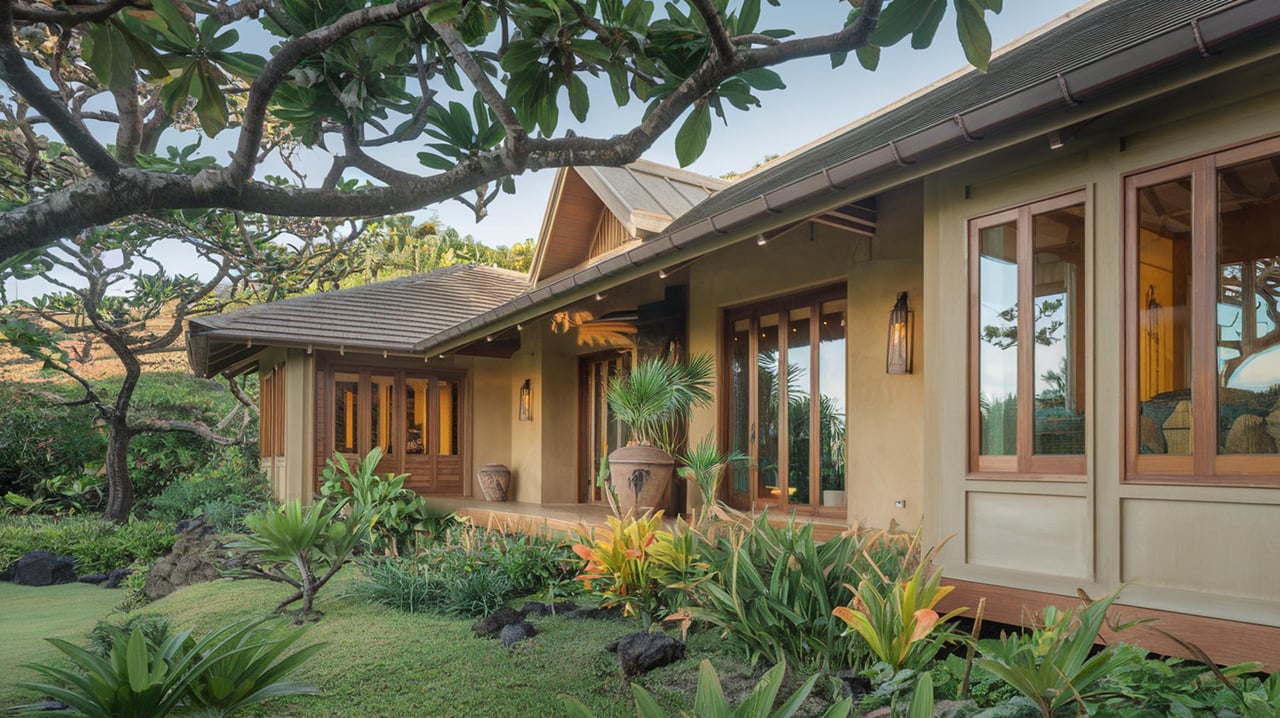
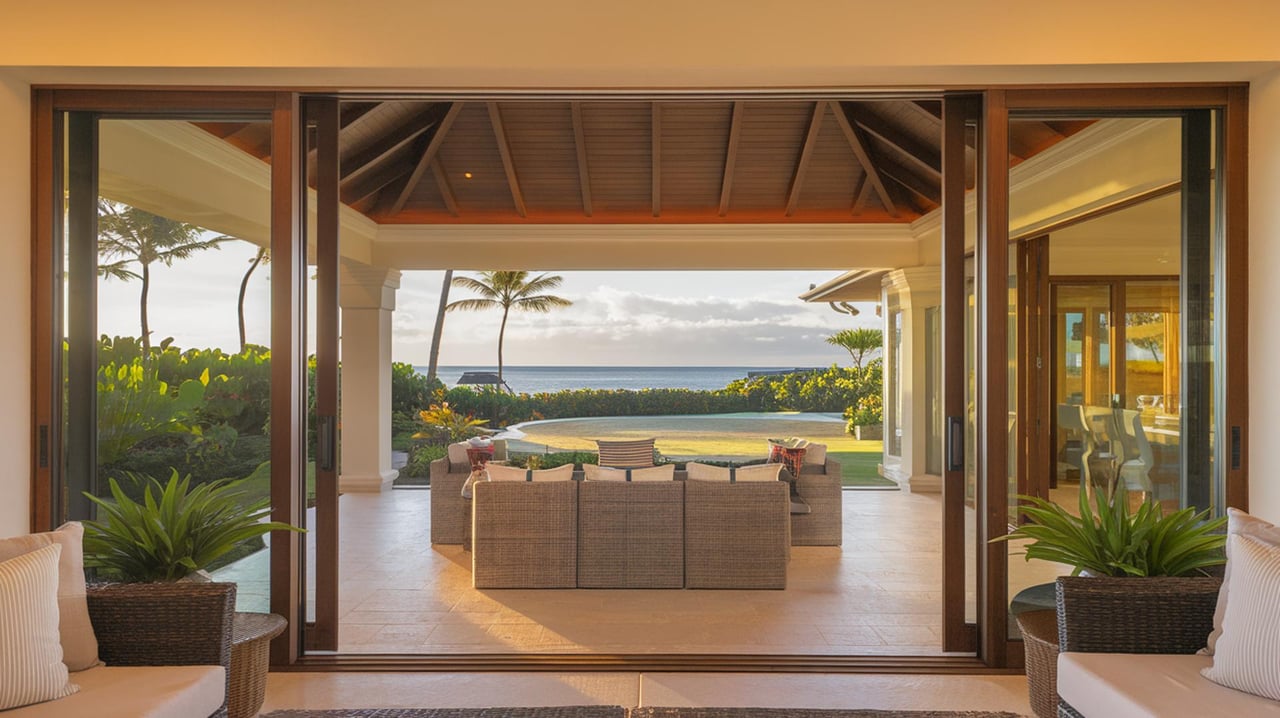
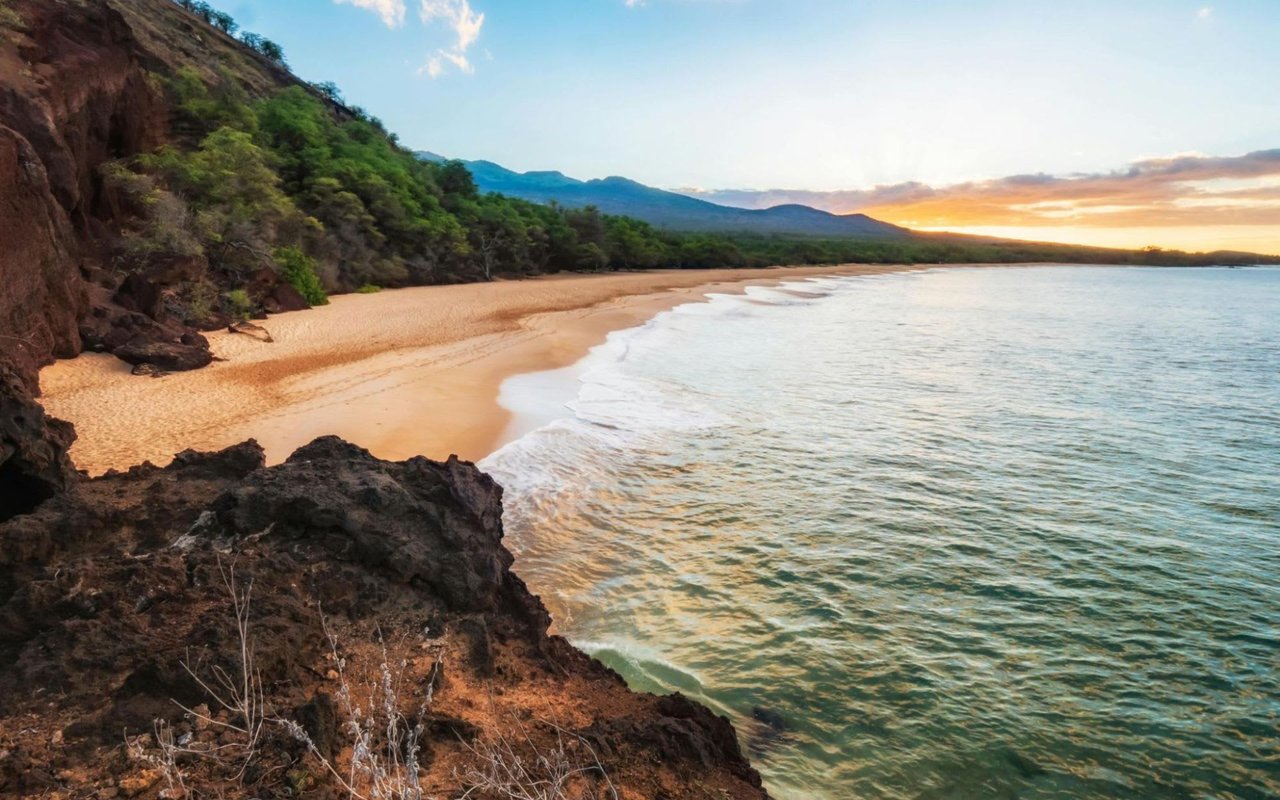
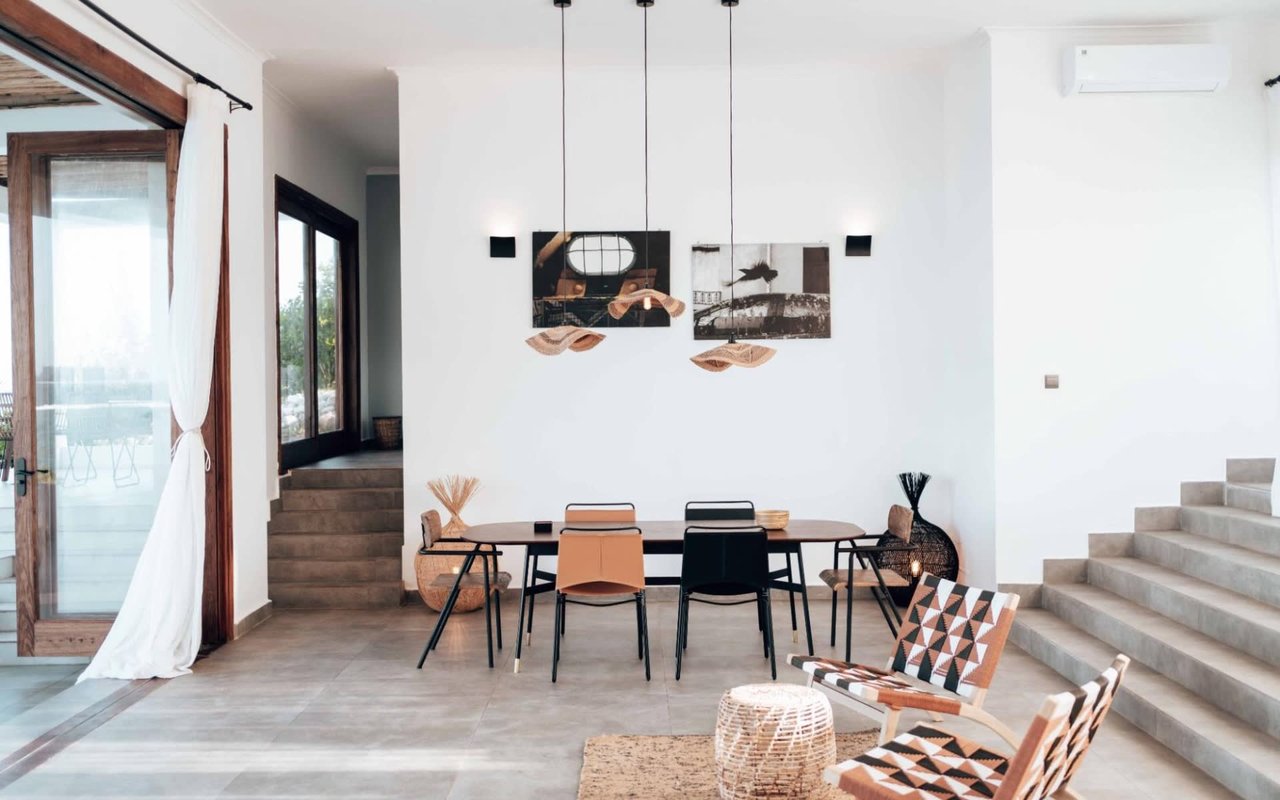
Picture yourself stepping onto the Kaanapali Beachwalk at sunrise, coffee in hand, with Black Rock in the distance and the day wide open for golf, snorkeling or a lazy pool afternoon. If you are exploring a second home here, you want the joy without surprises. This guide walks you through what to expect: the lifestyle, property types, the new short‑term rental rules, real costs, and smart next steps. Let’s dive in.
Why Kaanapali draws second‑home buyers
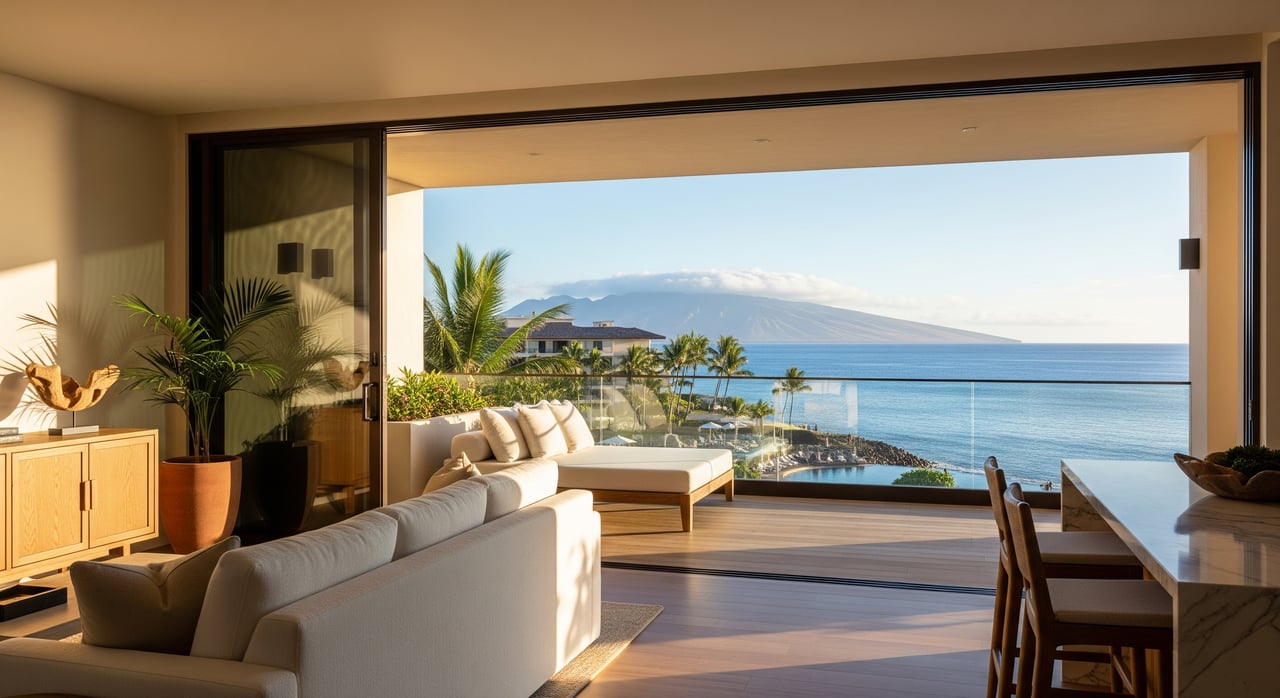
Kaanapali is Maui’s classic West Side resort corridor. You get three miles of sandy shoreline, the paved beachwalk, and a string of resorts and condos from Whalers Village up to the north end. The setting is walkable, activity‑rich, and designed for easy living.
You can stroll the oceanfront path, watch the cliff dive at Black Rock, or book an ocean tour right from the beach. Many owners pick Kaanapali because you can lock the door, fly in for long weekends, and settle into a familiar, low‑stress routine each visit.
Property types you’ll see
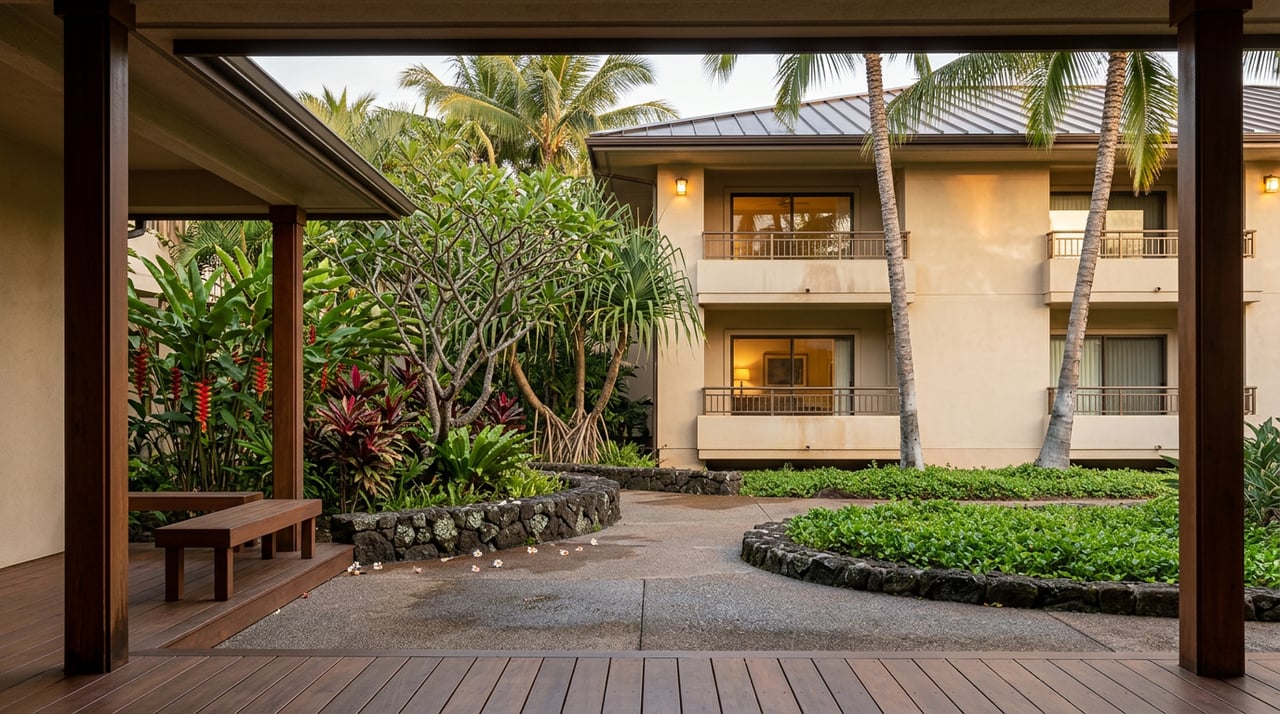
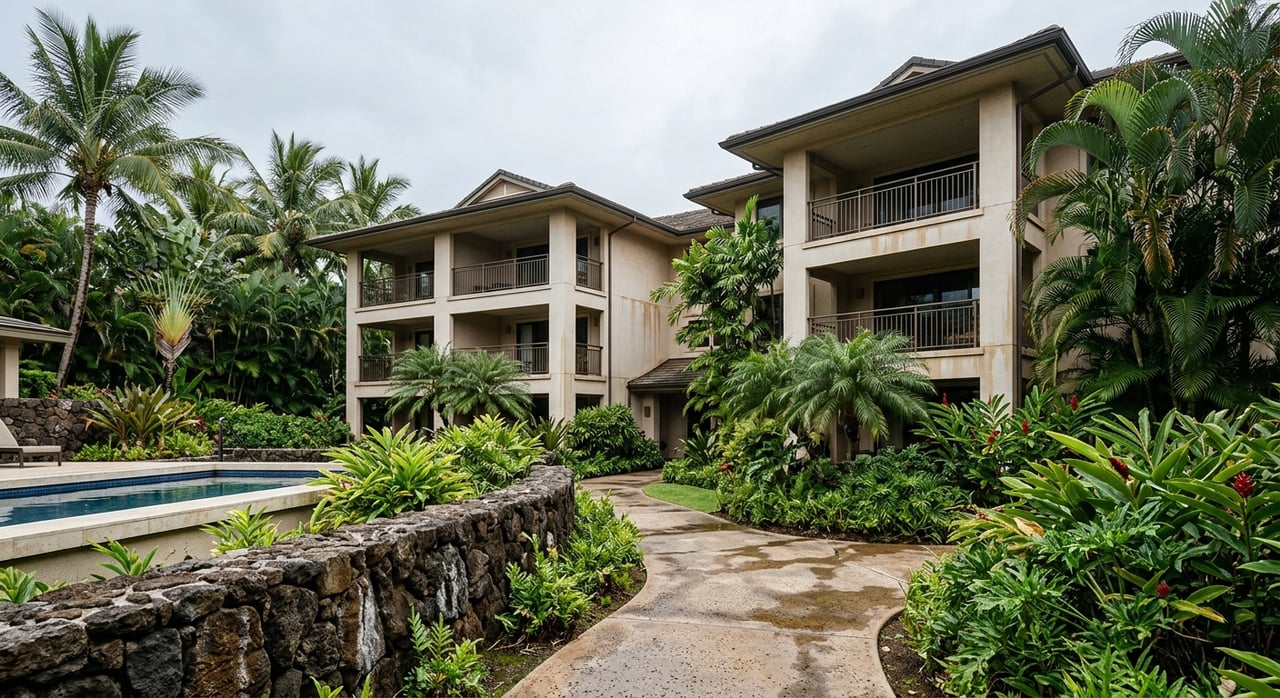
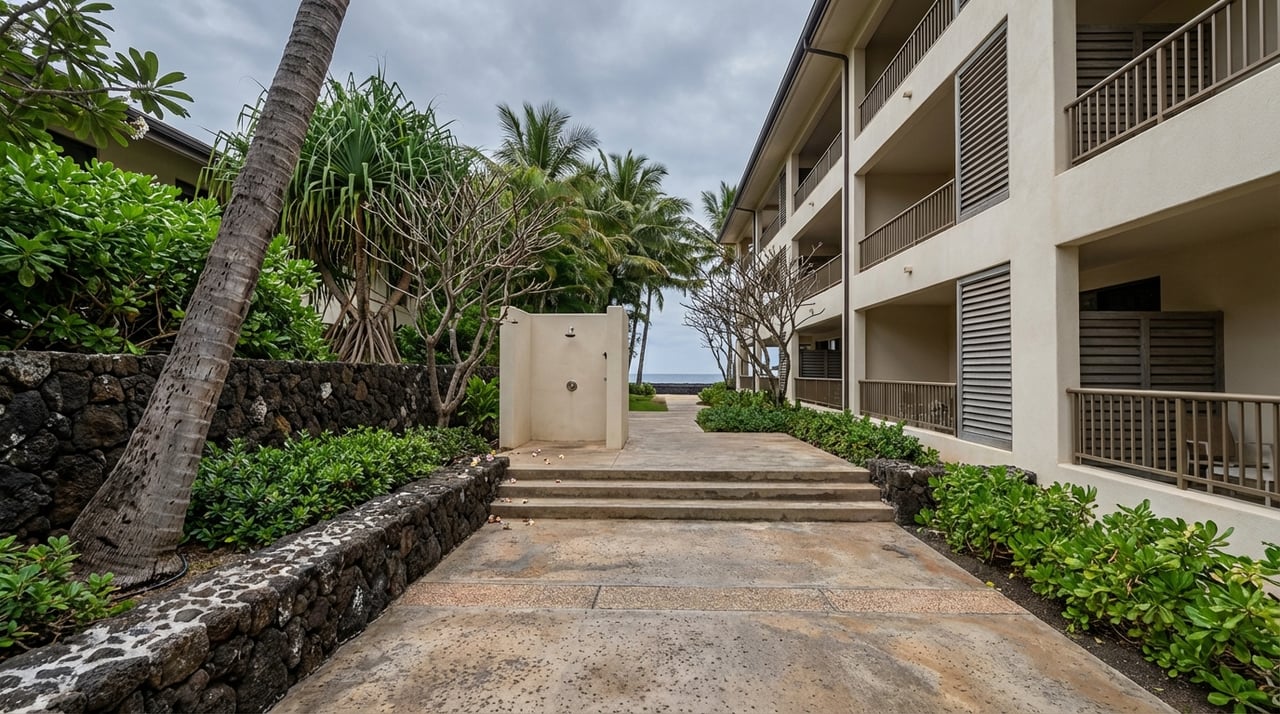
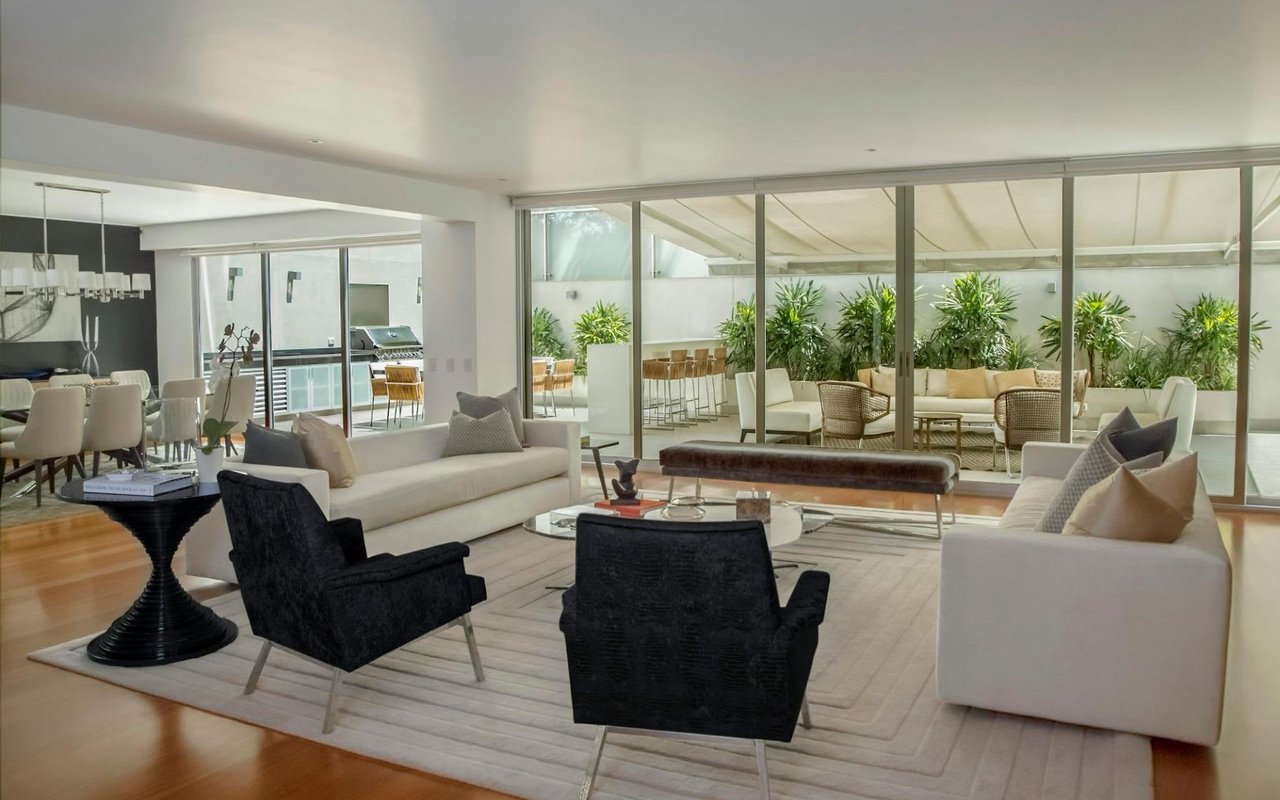
- Oceanfront and near‑beach resort condos. Many include pools, fitness centers, and on‑site concierge.
- Condo‑hotel or hotel‑zoned buildings. These often have front desks and optional rental programs.
- Timeshare intervals. Good for predictable, fixed‑week usage.
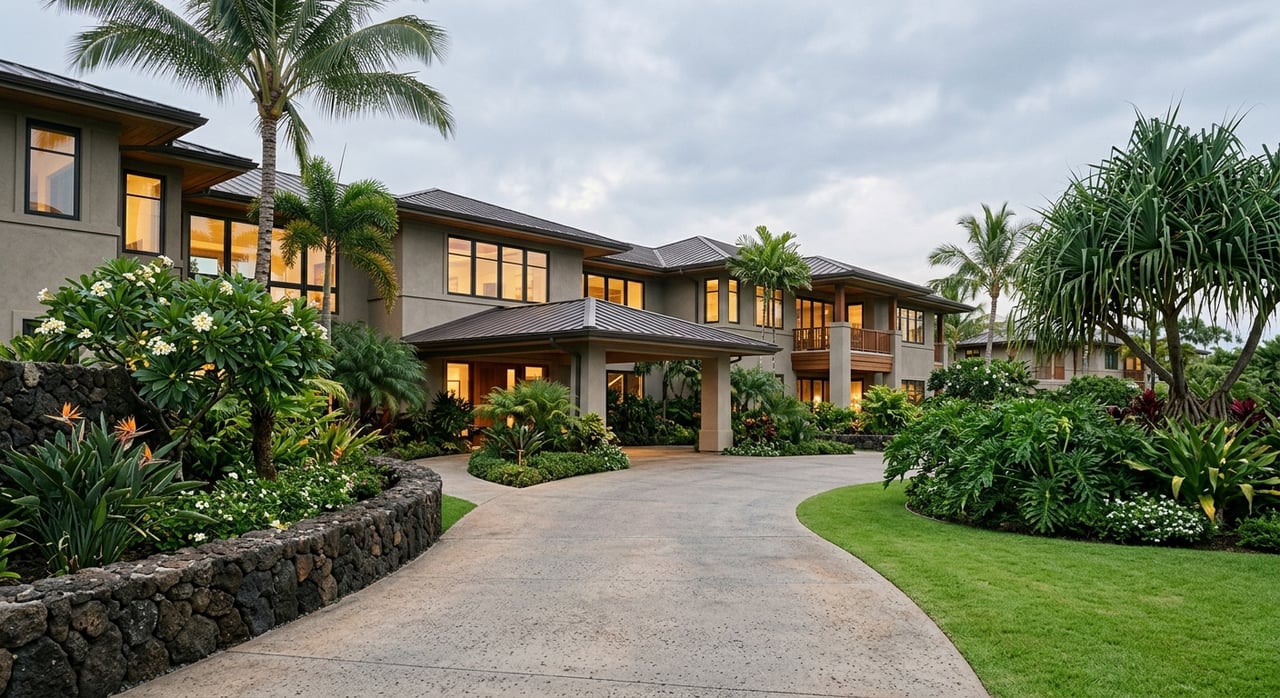
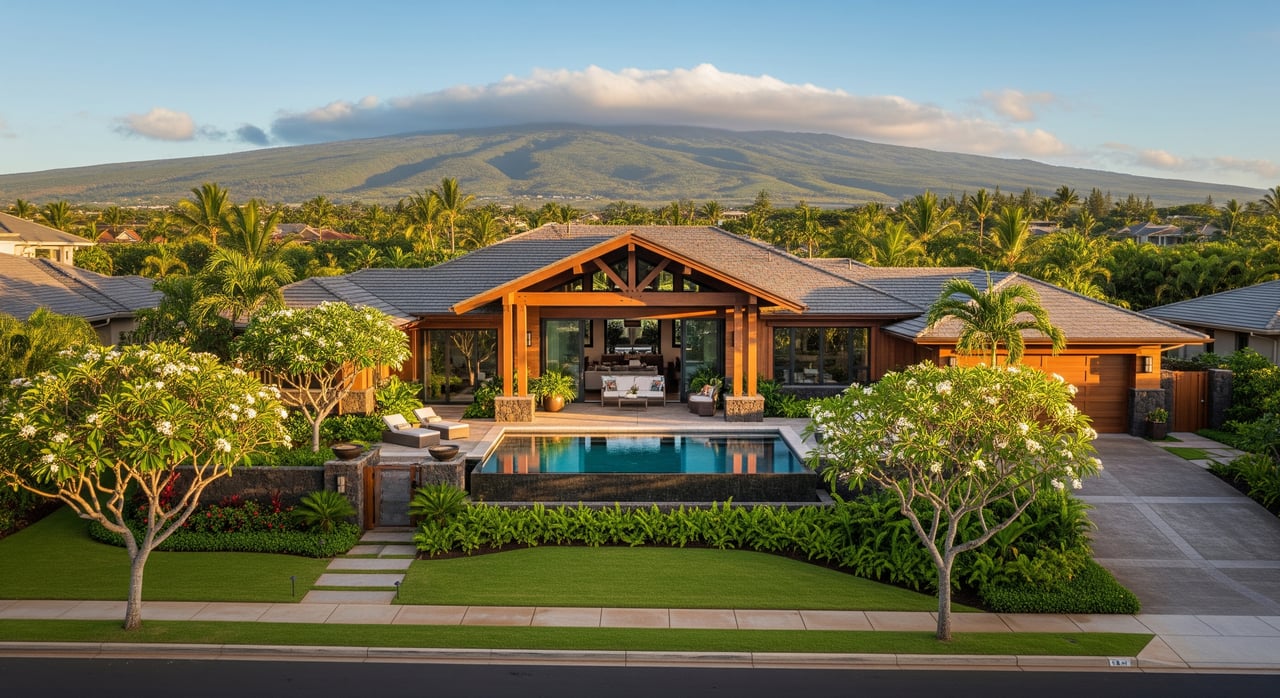
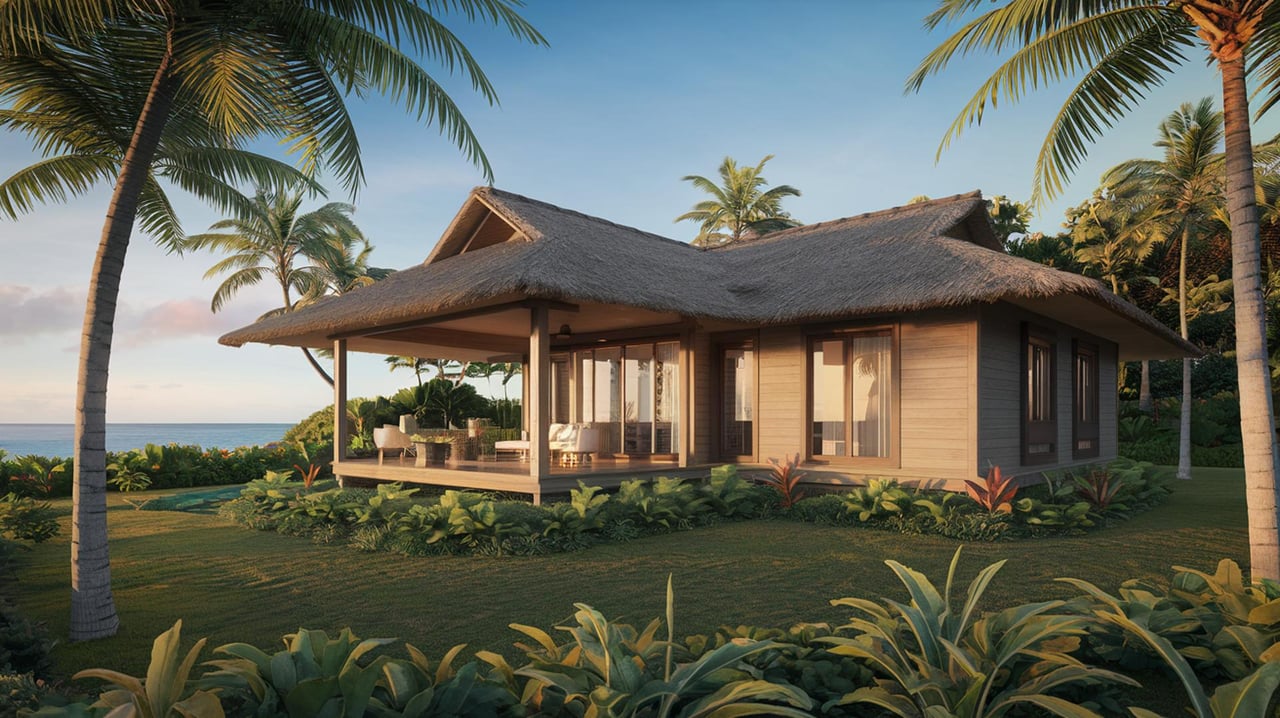
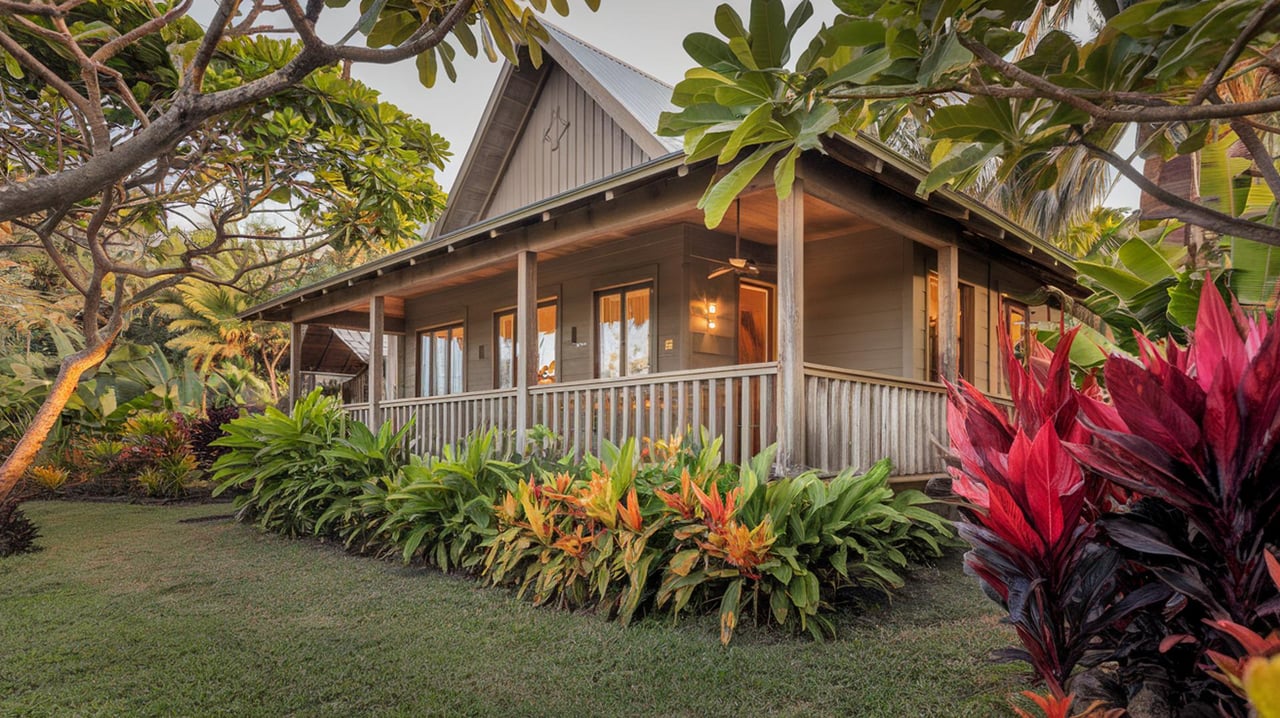
- A limited number of fee‑simple single‑family homes and luxury villas. Inventory is smaller than condos.
Many listings in this corridor are marketed as second homes or vacation rentals. Always confirm how a specific building allows you to use the unit before you make an offer.
Daily life on the strip
Beach and boardwalk access
The Kaanapali Beachwalk connects resorts, parks, and dining along the shoreline. Black Rock (Pu‘u Keka‘a) is a signature landmark for sunsets and snorkeling. Public access to the shoreline is preserved under Hawai‘i law, though access points and on‑site parking vary by property. Review the path and access maps on the Kaanapali Beachwalk overview.
Recreation and activities
- Golf. Two championship courses, Royal Kaanapali and Kaanapali Kai, offer resort services and public tee times. See the Kaanapali Golf Courses.
- Water. You can book boat tours and seasonal whale watching, or snorkel at Black Rock. Learn why it is a favorite in this snorkeling spotlight. Follow safety guidance and local rules.
Everyday conveniences
Most shopping and services cluster in Lahaina and nearby towns. For routine care and urgent needs you have local clinics, while the nearest full‑service hospital is Maui Memorial Medical Center in central Maui. See hospital details at Maui Memorial Medical Center.
Getting here and getting around
You will usually fly into Kahului Airport (OGG). The drive to Kaanapali is often 40 to 50 minutes, depending on traffic and route. Review arrival tips and services on the OGG FAQ page. There is also limited small‑plane service into Kapalua Airport (JHM) for some regional flights. Plan for occasional road congestion and consider stocking up on supplies on the way over.
Rules that shape how you use it
Nightly rentals and Bill 9
If you expect rental income, start here. Maui County adopted Bill 9, which phases out transient vacation rental use in apartment‑zoned districts on a set schedule. West Maui timelines apply to Kaanapali. The practical effect is significant. A condo that operates as a nightly rental today may face a phase‑out within the amortization window. Read the Maui County Bill 9 overview and verify:
- The unit’s zoning and whether the building appears on the historic Minatoya list.
- How the amortization schedule applies to that specific property.
- Current guidance from the County Department of Planning before you complete an offer.
Rental taxes and registration
Short‑term rentals require state tax registration and collection. You will collect and remit General Excise Tax and Transient Accommodations Tax. Hawai‘i also adopted a new “Green Fee” that increases the state TAT by 0.75 percentage points effective January 1, 2026. The state TAT is reported as 11 percent, plus any county surcharges. See coverage of this change in state Green Fee reporting.
Property tax classes and rates
Maui County uses tiered rates that depend on your property’s classification. Owner‑occupied, non‑owner‑occupied, and resort or TVR classes are taxed at different levels. Rates are set as dollars per $1,000 of assessed value and can change with each budget cycle. See local reporting on adjusted rates in the Maui News property tax update. Model taxes based on how you plan to use the property.
Title type, zoning, and condo rules
- Fee simple vs leasehold. Most Kaanapali condos are fee simple. Some older parcels are leasehold. Lease terms affect financing, resale, and carrying costs.
- HOA rules vary. Some buildings allow nightly rentals. Others restrict them or offer on‑site hotel programs. Always read the CC&Rs, rental rules, and master insurance details before you commit.
Insurance and rebuilding risk
Insurance costs and coverage terms in Hawai‘i changed after the 2023 Lahaina wildfires. Some buildings saw higher master‑policy deductibles or premium spikes. Availability can be tighter than in past years. Before you write an offer, get written quotes for both the building’s master policy exposure and your HO‑6 (unit) coverage. Learn more about the market backdrop in this Hawai‘i condo insurance update.
What it really costs to own
Budget for these recurring line items and build in buffers for oceanfront wear and tear.
- HOA dues. Resort condo fees vary widely with age, amenities, reserves, and oceanfront exposure. Obtain the most recent AOAO budget, reserve study, and any special assessment history.
- Property taxes. Use the county’s current tiered rates for your intended use class. Revisit annually as budgets update.
- Insurance. Get quotes early. Ask the AOAO for the master policy limits and deductibles so you can plan for potential deductible assessments.
- Rental management. Full‑service managers often charge around 20 to 30 percent of gross rent. Lighter marketplace models advertise near 10 percent. See examples of fee ranges in this management fee overview. Add cleaning, linens, utilities during vacancy, and booking platform fees.
- Utilities and maintenance. Ocean air accelerates corrosion and wear. Budget for frequent painting, metal protection, HVAC checks, termite prevention, and faster replacement cycles for coastal hardware and finishes.
- Taxes on rental income. Short‑term income is subject to federal and state income taxes, plus TAT and GET collection. The state TAT increase noted above affects nightly pricing and net revenue.
Ownership vs a hotel stay
Owning gives you control, privacy, and a home base that holds your gear and your style. You trade that for carrying costs and the responsibility to plan for repairs, reserve funding, and any special assessments. Hotel guests pay a nightly rate and let the operator handle staffing, capital projects, and insurance. If you plan to split personal use and short‑term rentals, align your expectations with HOA rules and your tax plan before you buy.
Smart next steps
- Verify zoning and Bill 9 status for the exact unit with the County Department of Planning. Do not assume current rental operations will continue indefinitely.
- Request from the AOAO: the latest budget, reserve study, master insurance policy, CC&Rs, rental rules, and any hotel‑program terms.
- Get insurance quotes for the building and your unit. Confirm how large deductibles are handled if a loss occurs.
- Talk to lenders early. Second‑home and condo‑hotel loans can require larger down payments and project approval.
- If you expect rental income, ask a respected local manager for a conservative 12‑month pro forma. Model occupancy, management fees, cleaning, utilities, platform costs, TAT and GET.
- Plan an on‑island visit to inspect coastal exposure, meet the AOAO manager, and check parking, guest drop‑offs, and boardwalk proximity at different times of day.
Ready to explore options and fine‑tune a plan that fits your goals in Kaanapali? Reach out to a trusted local advisor. Connect with Leslie‑Ann Yokouchi for personalized guidance and a clear path forward.
FAQs
Can I rent my Kaanapali condo nightly under new rules?
- It depends on zoning, the building’s status under the Minatoya list, and HOA rules. Review the County’s Bill 9 overview for timelines and confirm with the Planning Department.
How far is Kaanapali from the main Maui airport?
- From Kahului Airport (OGG), plan roughly 40 to 50 minutes by car depending on traffic. See the OGG FAQ for arrival details.
What taxes apply to short‑term rentals in Hawai‘i after 2026?
- You must collect and remit TAT and GET. With the new Green Fee, the state TAT is reported as 11 percent effective January 1, 2026, plus any county surcharges. See state Green Fee coverage.
Are insurance costs a problem on Maui now?
- Coverage may be more expensive or limited after the 2023 wildfires. Get quotes early and review building master‑policy deductibles. See this insurance market update.
What ongoing costs should I expect for a resort condo?
- Budget for HOA dues, property taxes, insurance, utilities, repairs, and if renting, management fees, cleaning, and booking platform costs. Build a buffer for coastal wear.
Is golf close by for owners in Kaanapali?
- Yes. The Royal Kaanapali and Kaanapali Kai courses sit right in the resort area with public tee times. Explore options on the Kaanapali Golf Courses site.