Are you weighing a condo in Kihei against one in Napili, but your heart is set on being close to Makena? You are not alone. Many buyers love Makena’s beaches and upscale feel, then compare South Maui and West Maui to see which condo lifestyle and costs fit best. In this guide, you will learn how Kihei and Napili differ in everyday living, beach access, ownership expenses, and rental considerations, all from a Makena-centered view. Let’s dive in.
Quick orientation from Makena
Kihei sits just north of Wailea and Makena along South Maui’s shoreline. If you plan to spend time in Makena, Kihei is the adjacent hub for groceries, dining, and services. Napili is on West Maui, north of Kāʻanapali and Lahaina, and it feels more resort-residential with smaller clusters of low-rise condos.
Travel time matters. Getting from Makena to Kihei is typically minutes, while a Makena to Napili trip usually means a longer cross-island drive along the main coastal corridor. Plan on an hour or more depending on traffic and starting point. For flights, Kihei is generally closer to Kahului Airport, while Napili often takes 30 to 60 minutes to reach the airport.
Development patterns also shape your experience. Kihei has more continuous residential and commercial corridors with a mix of older and newer condo complexes. Napili feels quieter, with intimate bays and smaller complexes, and it relies on the Kāʻanapali–Lahaina corridor for many broader services.
Beaches and water
Kihei beach vibe
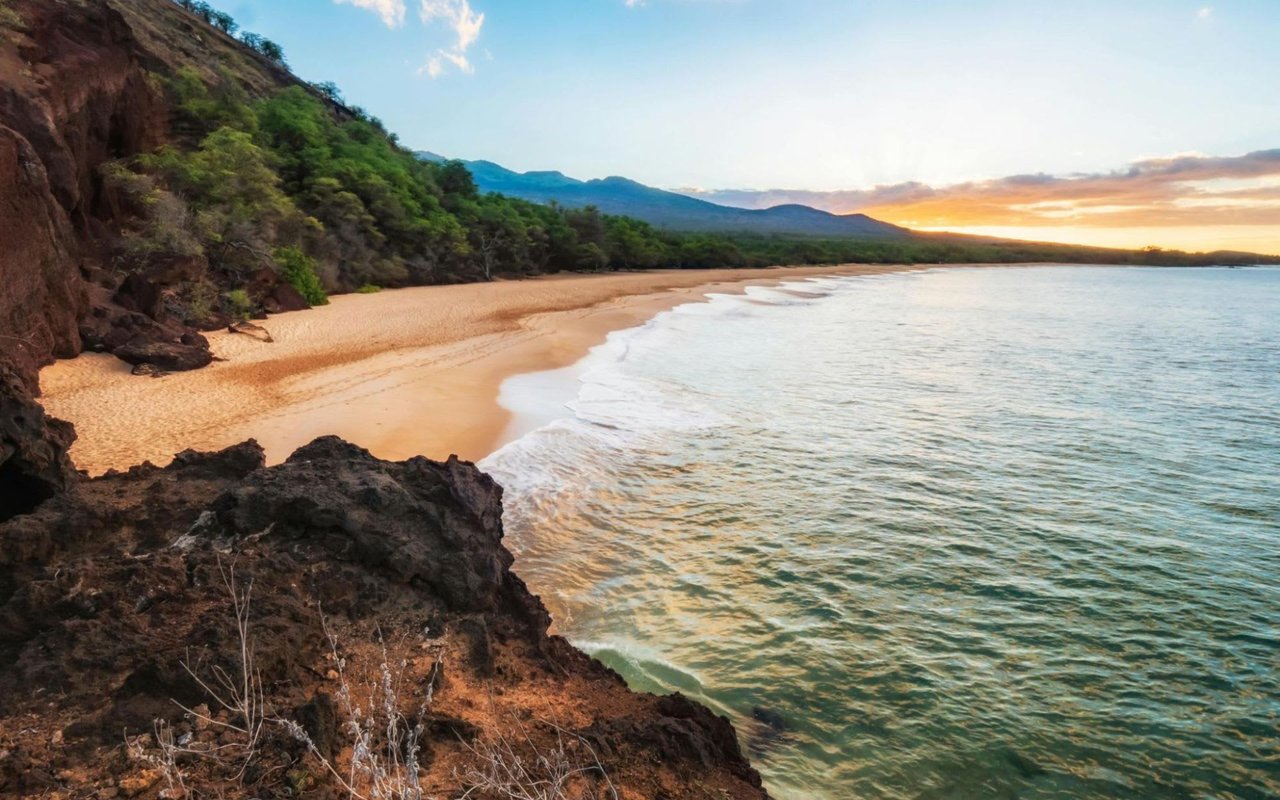
Kihei offers long stretches of sandy public beaches and multiple beach parks, including the Kamaole park series. You get many access points, which makes quick beach walks, morning swims, and sunset strolls easy. Surf and wind vary by season, but you will find broad sandy areas suited for casual beach days and walking.
Napili bay vibe
Napili is known for small, scenic coves with sandy pockets and rocky points. Napili Bay often offers calmer waters suitable for snorkeling, with seasonal changes in surf and currents. West Maui’s exposure can bring different swell patterns and clear snorkel conditions in many spots, especially when winds favor the west side.
Daily convenience
Services and shopping
Kihei has a larger inventory of grocery stores, retail options, medical services, and everyday conveniences. That means simpler errands and one-stop shopping. It also sits near Wailea’s luxury retail and dining for special nights out. In Napili, you will find smaller markets and boutique shops, with most major services accessed along the Lahaina and Kāʻanapali corridor.
Dining and evening options
Kihei’s dining scene is broader, with more casual choices and a busier evening rhythm. Napili leans into a low-key, resort-oriented experience. You will find excellent meals on either side, but Kihei typically offers more variety within a tight radius.
Crowds and rhythm
Kihei pace
Kihei hosts both a year-round residential community and a steady visitor presence. Some corridors feel active, especially near major intersections, beaches, and shopping centers. If you enjoy energy, choice, and easy access to services, this can be a plus.
Napili pace
Napili tends to feel quieter and more residential-resort in character. Visitor density shifts with the seasons and nearby resort activity. Many buyers who want small-bay snorkeling and a calmer environment gravitate here.
Recreation access
- Kihei: Easy coastal runs and bike rides, seasonal wind and water sports, and quick drives to South Maui snorkel and hiking outings.
- Napili: Excellent local snorkeling, quick access to West Maui hiking like Kapalua-area trails and scenic coastal points, plus nearby resort golf.
Costs to own: what to expect
AOAO fees and what drives them
Association fees on Maui cover common area maintenance, landscaping, pools and spas, elevators, water and sewer contributions, master insurance, on-site management, and reserve fund contributions. Costs vary with amenities, building age, reserve needs, and each unit’s percentage of ownership. Always review the current AOAO budget, reserve study, bank statements, and recent meeting minutes for pending assessments.
Typical fee ranges
- Smaller, older low-amenity complexes often have lower monthly fees, sometimes in the low hundreds of dollars.
- Mid-range resort properties with landscaped grounds and on-site staff usually land in the mid-hundreds to low-thousands.
- Higher-amenity or luxury properties can reach high hundreds to several thousand per month.
These are general guideposts. Fees can and do change. Always verify the exact amount and what it covers before you make decisions.
Insurance after the 2023 wildfires
The August 2023 Maui wildfires affected insurance availability, premiums, and deductibles across the island, with particular sensitivity in West Maui. Many associations now carry higher master policy deductibles. Coastal exposures, wind, and salt air also influence pricing. Lenders may require specific coverage proofs, so it is smart to connect with a local insurance broker early and request the AOAO’s insurance declarations and recent claims history.
Taxes, rentals, and regulations
If you plan to rent your condo, you will need to register and remit state taxes such as the Transient Accommodations Tax and General Excise Tax. Maui County regulates short-term rentals by zoning, permit status, and parcel-specific rules. Your AOAO and CC&Rs may prohibit or restrict transient rentals even if the county allows them. Policies have been evolving since 2020, with active discussions through 2024, so verify the current rules and permit history.
Rental demand varies by area. Historically, both West Maui and South Maui have been strong, but events like the 2023 wildfires and shifts in accommodation inventory can influence occupancy and nightly rates. Ask for recent occupancy and ADR trends in the specific submarket you are considering.
Financing, title, and leasehold
Lenders look closely at AOAO financial health, reserve funding, and insurance. Some loan programs have condo-project eligibility requirements. Most Maui condos are fee simple, but some properties are leasehold. If a unit is leasehold, confirm the ground rent, lease terms, and expiration because these factors affect valuation and financing.
Which area fits your plan?
Entry-level and budget focused
You will see a greater volume of entry-level to mid-priced older low-rise options in Kihei. These often have basic amenities and smaller units, which can help your monthly costs. Check short-term rental legality if you are investing.
Mid-range resort comfort
Both Kihei and Napili offer mid-range resort condos with pools, landscaped grounds, and on-site management. In Napili, many complexes feel like small resorts or condo-hotel hybrids near intimate bays. These appeal to part-time residents and families who want a relaxed resort setting.
High-end beachfront and luxury
For the highest-end experience, Wailea and Makena set the bar in South Maui, while Kapalua and Kāʻanapali anchor West Maui luxury. Napili has select premium bayside and beachfront options that command strong pricing. Expect comprehensive amenities and higher AOAO and insurance costs in this tier.
Smart due diligence on Maui
Before you offer, gather and review the right materials. Here is a checklist tailored to Maui condos:
- Current AOAO budget, income and expense statements, reserve study, and bank statements.
- AOAO minutes for the past 12 to 24 months, noting insurance changes, litigation, or special assessments.
- Insurance declarations, coverage details, and master policy deductibles.
- CC&Rs, house rules, rental restrictions, pet policy, and parking assignments.
- Seller disclosures, inspection reports, and any engineering studies. For coastal buildings, look for seawall and erosion reports.
- Title report to confirm fee simple or leasehold status and any encumbrances.
- Maui County permit history for the unit and building, including any short-term rental permits.
- Flood zone and coastal hazard designations from FEMA and Maui County planning.
- Utility assessments or pending capital projects, especially for older systems or cesspool to sewer conversions.
Practical steps:
- Ask your agent to review AOAO minutes for early warning signs on large capital projects or insurance hikes.
- If you plan to rent, verify legality at the county and AOAO level, and request historical occupancy and ADR from the current manager.
- Meet with a local insurance broker for quotes and deductible expectations.
- Speak with lenders who regularly underwrite Maui condos and can confirm program eligibility for your target complex.
On-site visit tips
- Visit at different times of day to gauge traffic, parking, and noise.
- Walk the beach access points and common areas. Note maintenance quality and ocean exposure.
- Check wind and surf conditions in different seasons if possible.
- Time your drive to and from Makena, Lahaina, and the airport to confirm your comfort with travel times.
Bottom line
Choose Kihei if you want everyday convenience, quicker access to Makena, and a wide variety of condos at different price points. Choose Napili if you value quieter coves, a smaller resort feel, and easy access to West Maui snorkeling and hiking. In both areas, your true cost of ownership comes down to AOAO fees, insurance realities after 2023, and rental rules. A careful review of documents and on-the-ground visits will help you match the right property to your lifestyle and budget.
Ready to compare specific buildings, run fee and insurance estimates, or verify rental status for a unit you love? Reach out to Leslie-Ann Yokouchi for local guidance tailored to your plan.
FAQs
How long is the drive from Makena to Napili?
- Expect a cross-island trip of roughly an hour or more depending on traffic and starting point, while Makena to Kihei is typically much shorter.
Are short-term rentals allowed in Kihei or Napili condos?
- It depends on Maui County zoning and permits for the parcel and on AOAO and CC&R rules; always verify current legality and permit history before you buy.
What do AOAO condo fees usually cover on Maui?
- Common area upkeep, landscaping, pools and spas, water and sewer contributions, master insurance, on-site management, and reserve funding, with higher amenities often meaning higher fees.
How did the 2023 wildfires affect condo insurance in West Maui?
- They tightened insurance markets, raised some premiums and deductibles, and increased lender scrutiny; many associations now carry higher master policy deductibles.
What is the difference between fee simple and leasehold ownership?
- Fee simple means you own the unit and land interest; leasehold adds ground rent and a lease expiration that affect value and financing, so confirm terms in the title report.
Is Kihei or Napili better for snorkeling?
- Both offer good snorkeling in the right conditions, with Napili Bay often providing calmer water in its small cove environment and South Maui offering a range of accessible beach entries.
Which area is closer to Kahului Airport (OGG)?
- Kihei is generally closer to the airport, while Napili typically requires a longer drive across West Maui.