Thinking about a Kaanapali condo as a vacation rental? The right property can generate solid income, but only if you evaluate the numbers and rules with care. With seasonality, resort‑level amenities, HOA fees, and county regulations in the mix, guessing is risky. This guide walks you step by step through how to analyze demand, project revenue, calculate true costs, and spot red flags so you can decide with confidence. Let’s dive in.
Why Kaanapali rental potential is unique
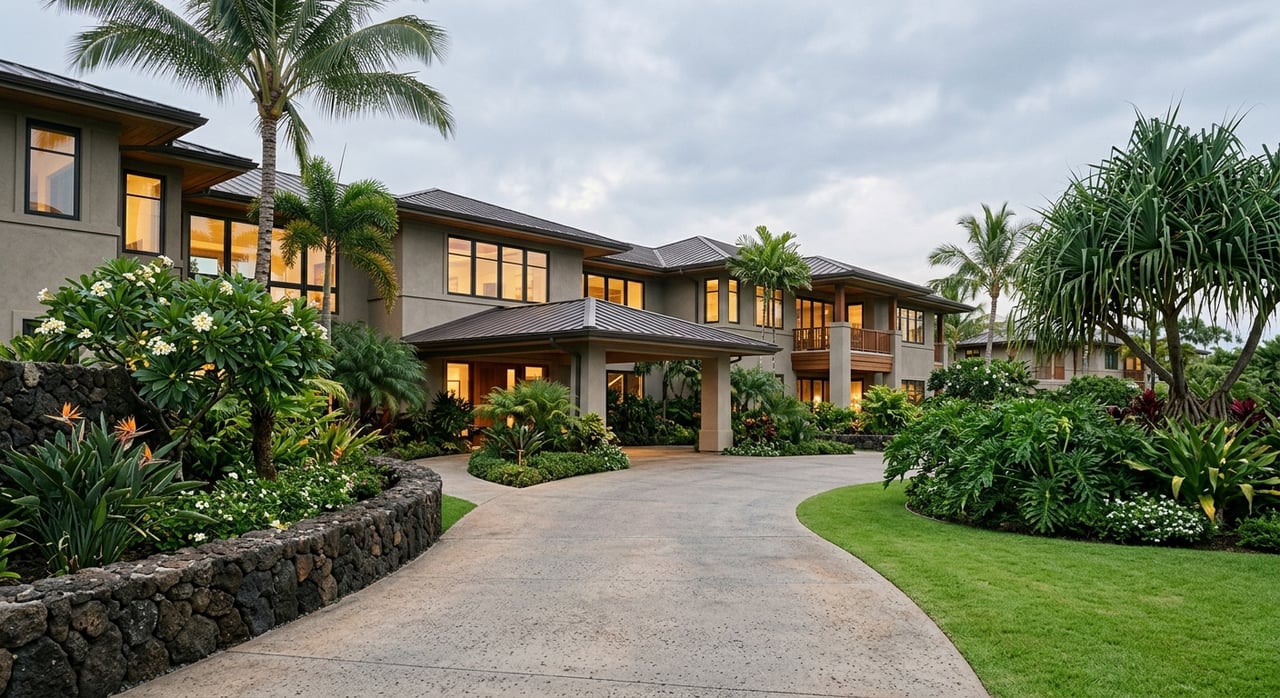
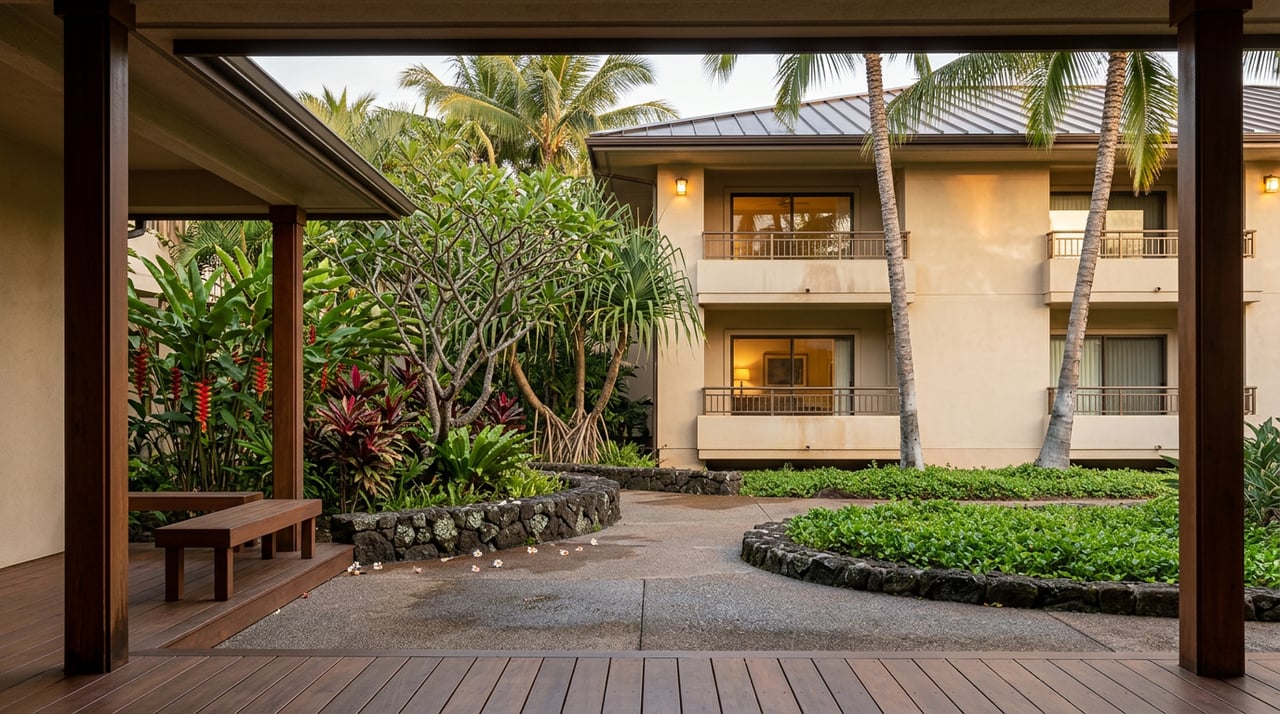
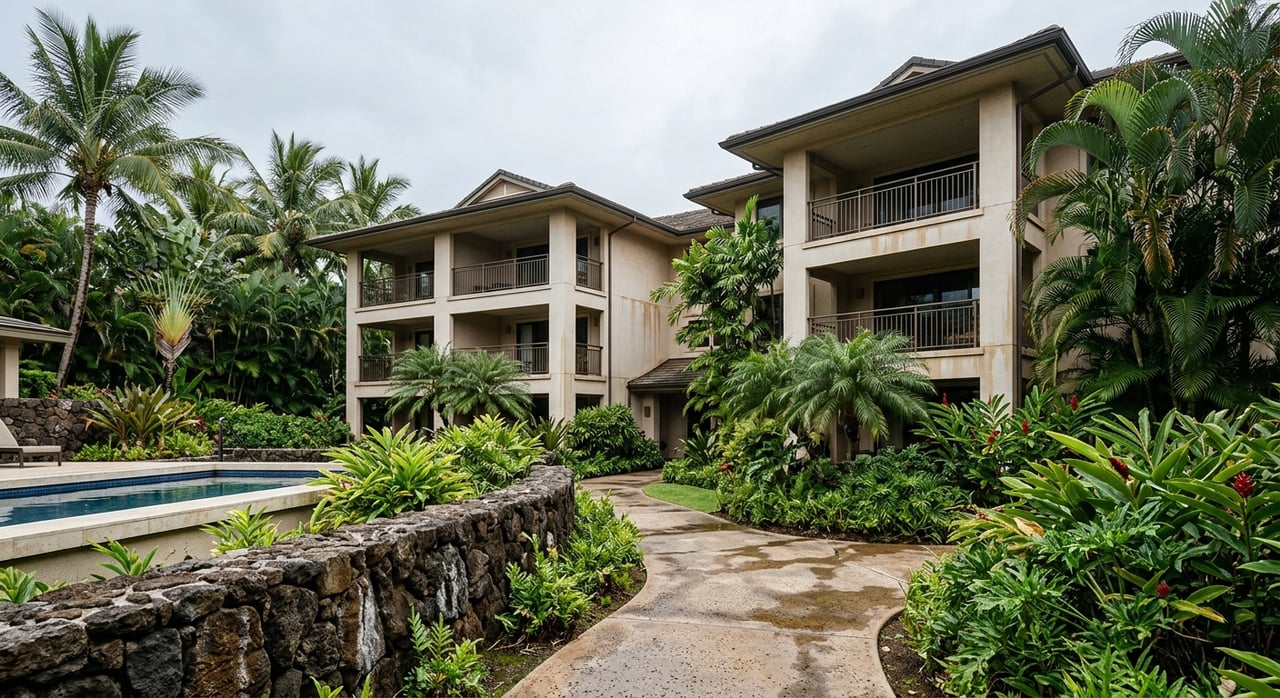
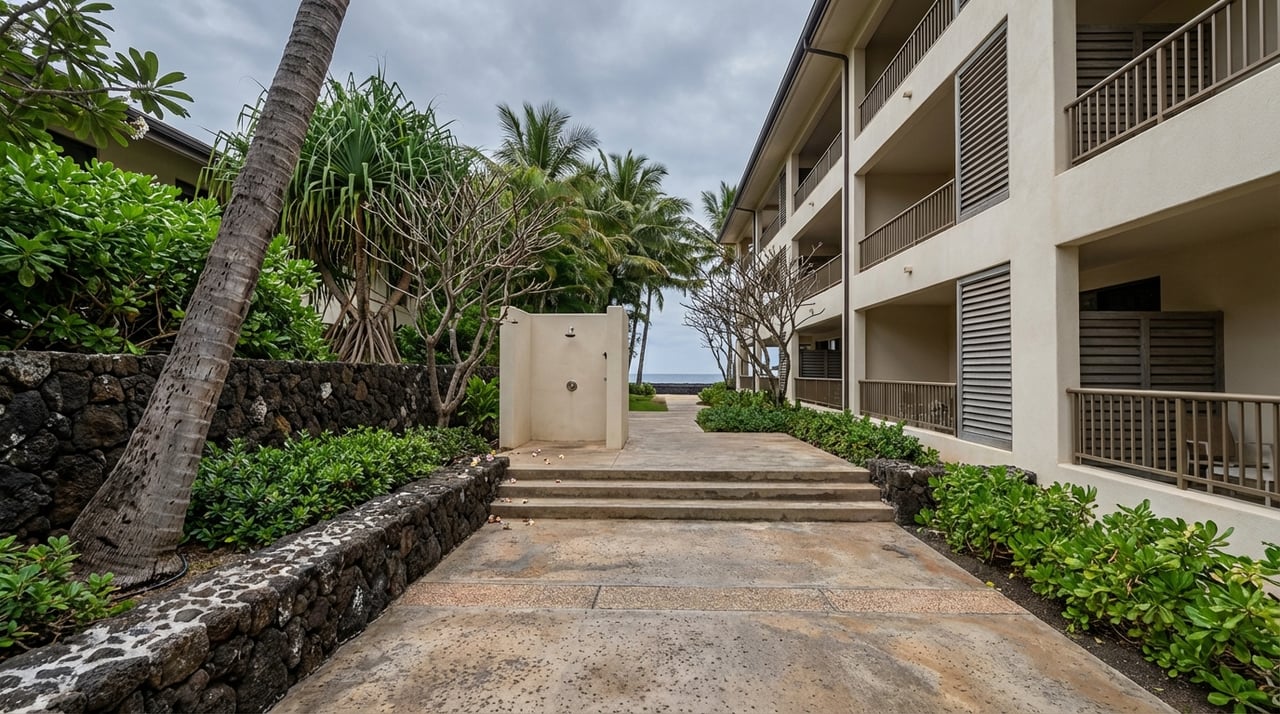
Kaanapali sits in a concentrated resort corridor on northwest Maui with beachfront hotels, condominium resorts, and strong leisure travel demand. Bookings are driven by beach access, ocean views, and proximity to resort amenities. Because demand is tourism‑based, performance is sensitive to travel trends, natural events, and regulatory changes.
If you underwrite carefully, you can compare buildings on an apples‑to‑apples basis. Focus your analysis on seasonality, occupancy, average daily rates, and the cost stack that drives net income.
Seasonality and demand patterns
Expect pronounced seasonality. Historically, winter months (roughly December to March) and summer (June to August) run higher, while spring and fall shoulder periods are softer. Instead of annual averages, analyze month‑by‑month data so your forecast reflects how Kaanapali actually books.
Collect at least 24 months of unit‑level data for the condo you are considering and a tight set of comparable units. This helps you capture seasonality and any recent shocks in the market.
Build a local comp set
- Target 6 to 12 similar units in the same building or within 0.5 to 1 mile.
- Match bedroom count, view category, and amenity profile.
- Compare ADR, occupancy by month, booking lead time, minimum‑stay rules, and cancellation policies.
- Use recognized short‑term rental data providers and supplement with performance data from local managers.
Capture booking patterns
- Lead time: average days between booking and check‑in.
- Length of stay: mix of short stays versus week‑long bookings.
- Repeat guests and direct bookings: can reduce platform fees and stabilize occupancy.
Revenue metrics to track
Collect and benchmark these core metrics for each month in your model:
- ADR (Average Daily Rate): average nightly rate for occupied nights.
- Occupancy rate: occupied nights divided by nights available.
- RevPAR: ADR times occupancy; useful across different unit types.
- Gross rental revenue: by platform or channel where possible.
- Seasonality profile: month‑by‑month ADR, occupancy, and revenue for at least 24 months.
The goal is to normalize performance and compare like with like across buildings and view categories.
Amenities that boost bookings
Certain features in Kaanapali tend to lift ADR and booking velocity:
- Beachfront or ocean views.
- Walkability to the beach, dining, golf, and snorkel sites.
- Onsite amenities such as pools, on‑site dining, concierge, and shuttle service.
- The right layout for your target guest: studios and one‑bedrooms for couples; two to three bedrooms for families and groups.
- Turnkey condition, professional furnishings, quality photos, and thoughtful in‑unit amenities like a full kitchen and air conditioning where typical.
Cost stack that drives net income
Gross revenue is only part of the story. Build a clear picture of all costs and how they flow through your P&L.
Direct revenue deductions
- Platform or OTA fees: include host fees and payment processing fees.
- Cleaning fees: typically guest‑paid and modeled as pass‑through; confirm the contract.
- Transient taxes: state and county taxes must be remitted on short‑term rental income.
Operating expenses to budget
- Property management: full‑service resort managers commonly charge about 20 to 30 percent of gross rental revenue, sometimes with added reservation or marketing fees. Verify contract terms.
- HOA/condo dues: often the largest fixed cost. Confirm what is included such as utilities, internet, water, insurance, reserves, and on‑site staffing. Check for any resort fees or special assessments.
- Utilities: electricity, water, gas, cable or streaming, and internet if not covered by the HOA.
- Insurance: short‑term rentals need appropriate liability and property coverage. Verify that the policy explicitly covers STR operations.
- Repairs and maintenance: ongoing repairs and periodic replacements of appliances, linens, and HVAC.
- Cleaning and turnover costs: confirm actual per‑turnover pricing and any volume discounts.
- Marketing and listing costs: photography or premium placements, if applicable.
- Reserves for capital expenditures: budget for furniture, major systems, and refreshes.
- Legal and compliance: permit renewals, licensing fees, and potential fines if out of compliance.
Financing and underwriting nuances
- Lender classification: most STR condos are underwritten as investment properties. Some lenders apply special criteria to condo projects with a high share of rentals.
- Warrantability: verify whether the project meets common lender guidelines or requires a portfolio lender.
- Debt service sensitivity: model several rate scenarios and debt service coverage requirements.
- Tax treatment: consult a tax professional on depreciation, Hawaii’s state taxes, and how TAT/GET affect after‑tax returns.
Regulations and taxes in Maui
Regulatory risk is real in Maui. County and state rules can restrict or reshape STR operations through permits, caps, or zone‑based rules. Always verify current Maui County ordinances and permitting requirements before you underwrite or buy.
Account for Hawaii’s Transient Accommodations Tax (TAT) and the General Excise Tax (GET) on rental revenue. Confirm the latest rates and remittance procedures and ensure the seller has been current on filings. Request copies of tax filings for at least the past 12 months.
Title, zoning, and coastal factors
Hawaii has ownership structures you should confirm early:
- Fee simple versus leasehold: leasehold units come with ground rent, possible step‑ups, and potential lender or resale constraints. Read the ground lease in full if applicable.
- Special district and shoreline considerations: confirm any resort district zoning, SMA (Special Management Area) implications, or coastal restrictions that affect use, renovations, or permitting.
Standardized underwriting steps
Bring every opportunity into a standardized pro forma so you can compare buildings and units fairly.
- Remove owner nights or below‑market owner discounts by checking booking calendars and platform records.
- Normalize platform splits and cleaning fee treatment. Model cleaning as pass‑through unless the owner pays.
- Strip out one‑time or non‑recurring items like insurance payouts or capital improvements.
- Confirm tax treatment and remove any owner‑specific credits that will not transfer.
- Convert gross revenue to net operating revenue by subtracting platform fees, owner‑paid cleaning, and transient taxes.
- Apply a consistent management fee if you plan to switch managers.
- Build three scenarios: pessimistic, base, and optimistic. Run sensitivity on ADR and occupancy, testing ±10 to 20 percent swings and multi‑month shifts.
Modeling template
Inputs to collect and model by month:
- ADR, occupancy, nights available, nights booked, gross revenue.
- Platform fees (percent or dollar), cleaning fees (per turnover), management fee (percent of gross).
- HOA dues, utilities, insurance, repairs and maintenance, and a CapEx reserve.
Key outputs to evaluate:
- Gross rental revenue by month and year.
- Total operating expenses and net operating income (NOI).
- Debt service, cash flow before taxes, cash‑on‑cash return, and cap rate.
- Break‑even occupancy based on fixed costs and ADR.
Documents to request upfront
Having the right documents reduces surprises and speeds up underwriting.
- 12 to 36 months of booking calendars with nightly rates and occupancy by date.
- 12 to 36 months of P&Ls and bank statements for the rental entity.
- Current management and listing agreements with full fee schedules.
- HOA documents: CC&Rs, bylaws, rules, recent meeting minutes, the annual budget and reserve study, and any pending special assessments.
- Copies of TAT/GET filings and transient tax remittances.
- Insurance policy declarations with STR terms or riders.
- Title documents: fee simple vs. leasehold, ground lease if any, and any deed restrictions.
- Condo warrantability questionnaire or lender‑relevant documentation.
- Market comps and STR data for similar units in the building or immediate area.
- Historical guest reviews and listing analytics such as lead time and cancellation rate.
HOA and building red flags
Watch for issues that can change your returns or your exit options.
- HOA bans or severe restrictions on short‑term rentals, or rules that force you into a single onsite manager with onerous fees.
- Recurring or pending special assessments, underfunded reserves, or rapidly rising budgets without clear justification.
- Project dynamics that affect lending, such as a high share of investor‑owned units or unresolved litigation.
- Ground lease escalation clauses with large step‑ups or renegotiation risk.
Stress tests to run
Test your model against real‑world scenarios so you are prepared.
- Short‑term demand shock: 3 to 6 months of reduced ADR and occupancy. Measure the impact on cash flow and debt service coverage.
- Regulatory shock: an 8 to 12 week pause or new permit costs that delay revenue. Confirm cash reserves and contingency funding.
- Operational upside: professional photography, dynamic pricing, and improved guest experience. Estimate the up‑front cost and time to payback.
Next steps with a local guide
Kaanapali can be an excellent market for a well‑matched condo, but your success depends on careful underwriting and local insight. Start by gathering 24 months of unit‑level data, analyzing a tight comp set, confirming permits and tax compliance, and building base, pessimistic, and optimistic scenarios. When you have a short list, review HOA documents line by line and verify management contract terms before you commit.
If you would like help sourcing documents, validating assumptions, or comparing buildings, our team is ready to assist with property‑management consulting and tailored buyer representation. Reach out to explore Kaanapali options and build a clear plan from offer to onboarding.
Ready to evaluate a Kaanapali condo or compare specific buildings? Connect with Leslie-Ann Yokouchi for local guidance and a focused, data‑driven plan.
FAQs
What makes Kaanapali condos attractive for vacation rentals?
- Kaanapali’s resort setting, beach access, ocean views, and proximity to amenities support strong leisure demand, which can translate into higher ADR and occupancy for well‑positioned condos.
How should I model seasonality for a Kaanapali short‑term rental?
- Use at least 24 months of month‑by‑month ADR, occupancy, and revenue data for the specific unit and similar comps, focusing on winter and summer peaks and softer shoulder months.
Which costs most often surprise first‑time Maui STR owners?
- HOA dues, management fees that can run about 20 to 30 percent of gross, insurance tailored for STR, and occasional special assessments often have the biggest impact on net income.
What is the difference between fee simple and leasehold for Maui condos?
- Fee simple means you own the unit and the land; leasehold means you own the unit but lease the land, which can include ground rent increases, lender limitations, and resale considerations.
What documents should I collect before making an offer on a Kaanapali condo?
- Request 12 to 36 months of bookings and P&Ls, management agreements, HOA CC&Rs and budgets, reserve studies, tax filings for TAT/GET, insurance declarations, title documents, and lender warrantability data.