Torn between Kehalani and Maui Lani? You are not alone. Both master-planned communities in Central Maui attract move-up buyers who want newer homes, nearby parks and everyday convenience. In this guide, you will learn how the two areas compare on housing, HOAs, commutes, microclimate and schools so you can choose the right fit for your life. Let’s dive in.
Quick take: who each area suits
- Kehalani often appeals if you value slight elevation, potential view corridors and quick access to Wailuku civic services.
- Maui Lani often suits if you want flatter terrain, close proximity to Kahului retail and services, and convenient access to the airport and medical center.
- Your best match comes down to lot size, home type, HOA approach, commute routes and how you plan to use the home.
Neighborhood profiles
Kehalani at a glance
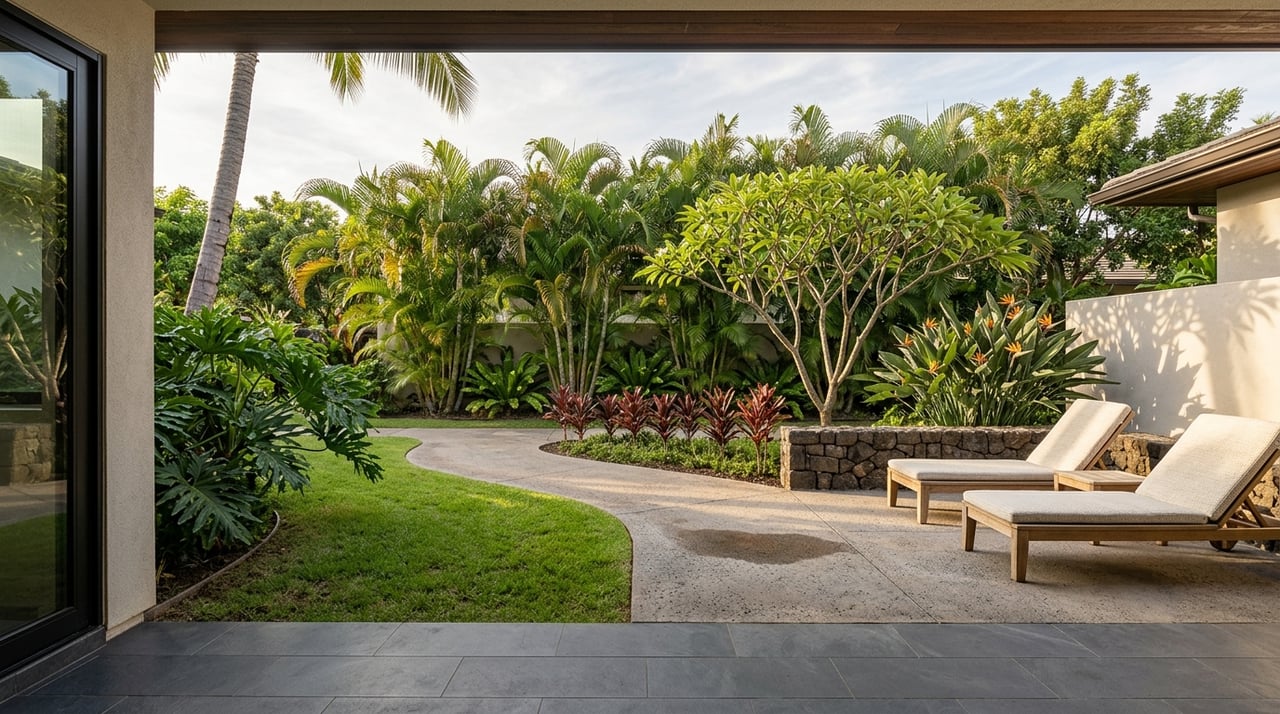
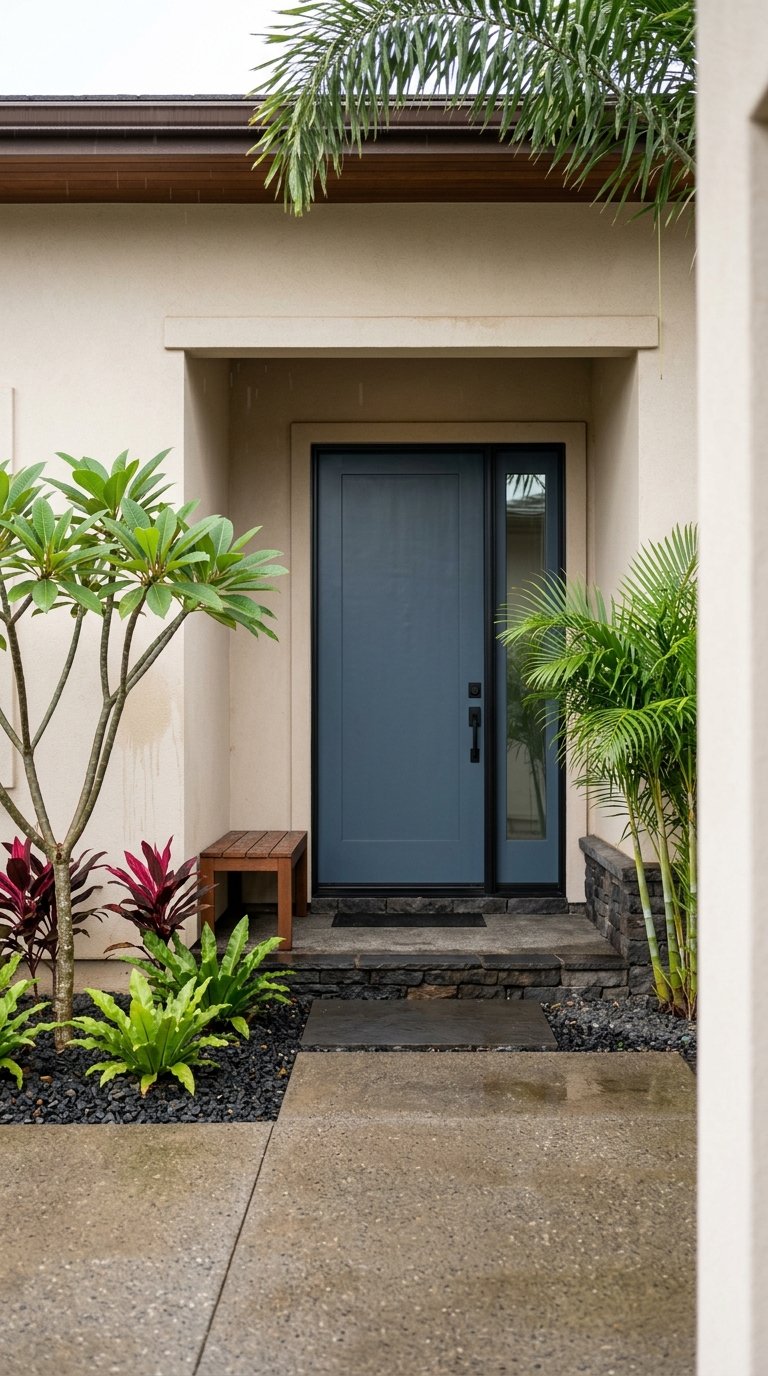
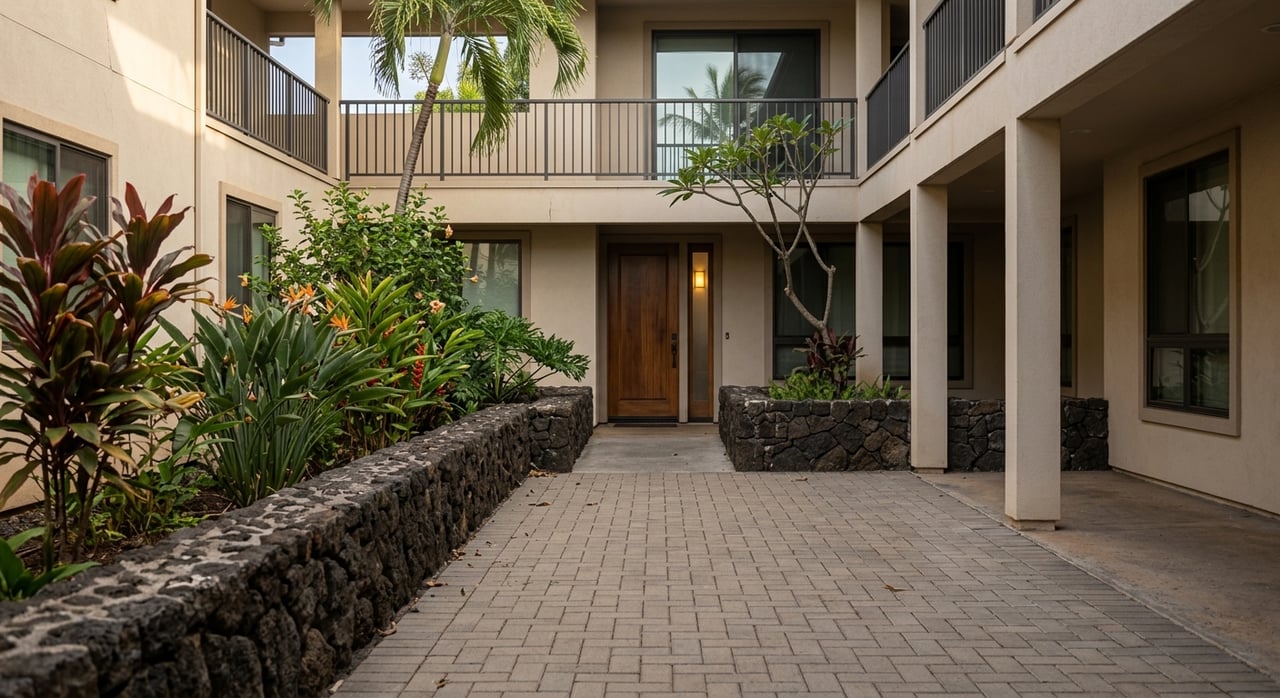
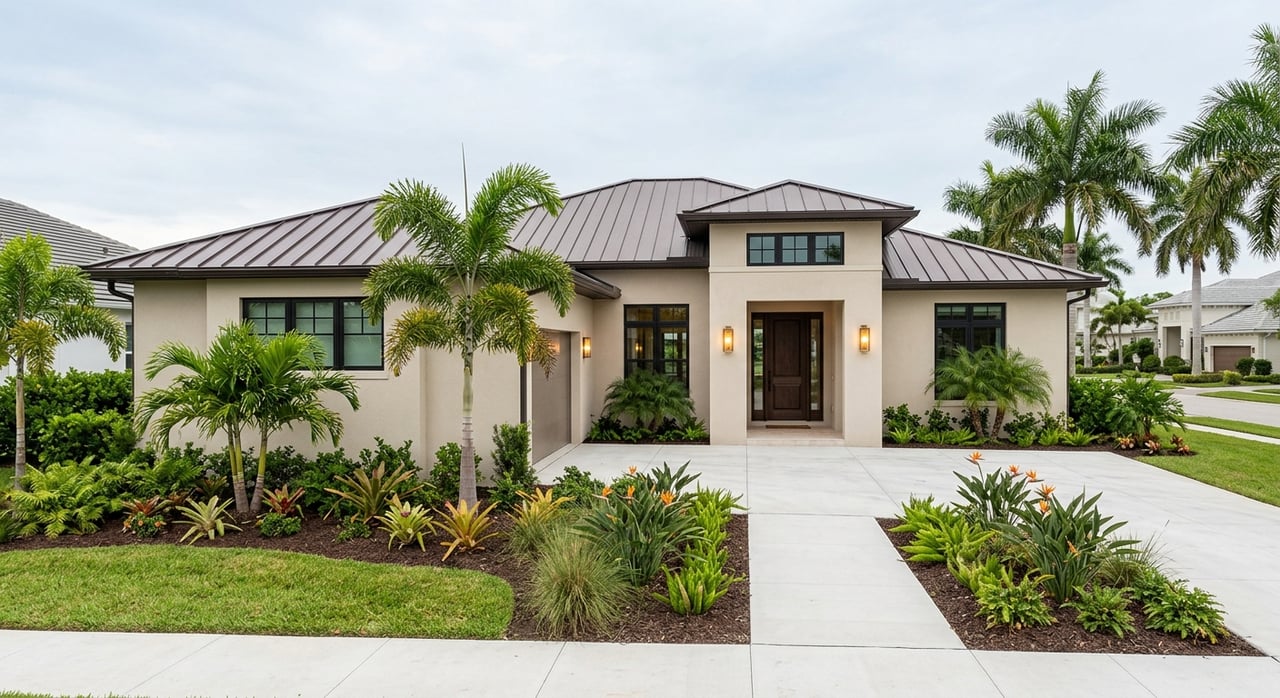
Kehalani is a master-planned community on the Wailuku side of Central Maui with multiple subdivisions built across phases. You will find a mix of detached homes and townhomes, plus neighborhood parks and sidewalks. The area sits at modest elevation, which can mean slightly cooler temperatures and the possibility of valley or ocean sightlines in select locations. Daily errands and county services in Wailuku are a short drive away.
Maui Lani at a glance
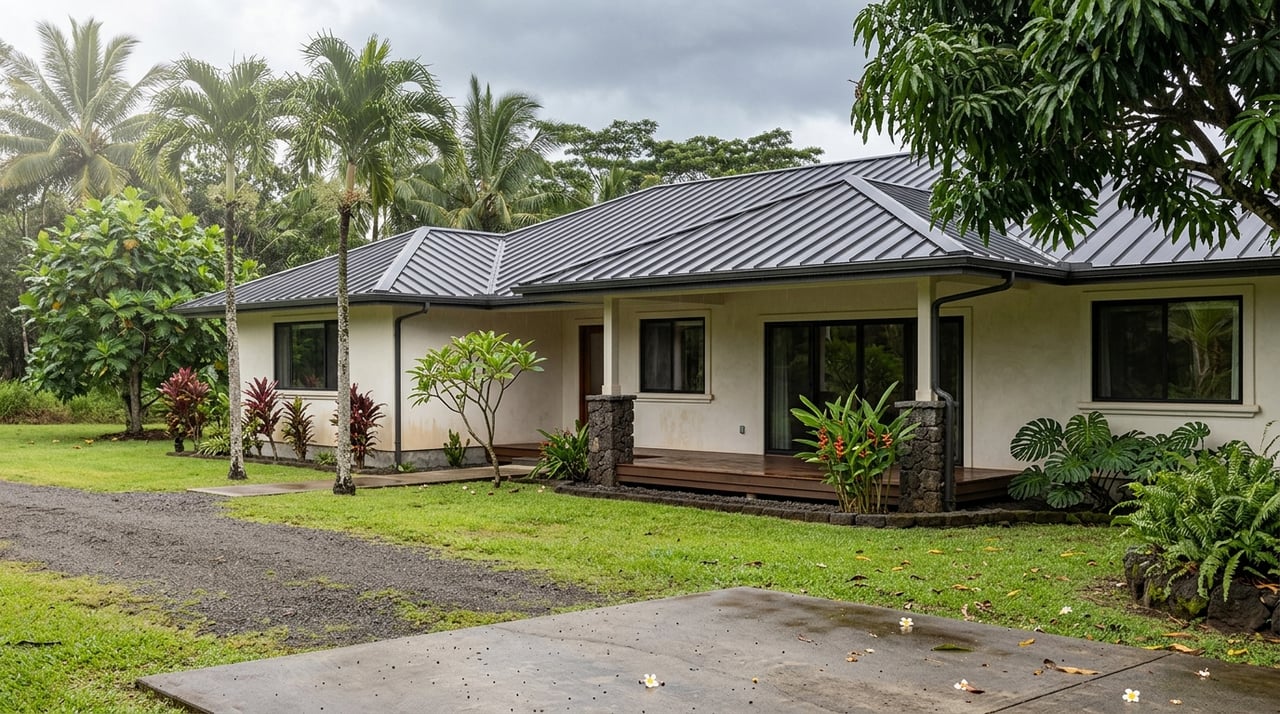
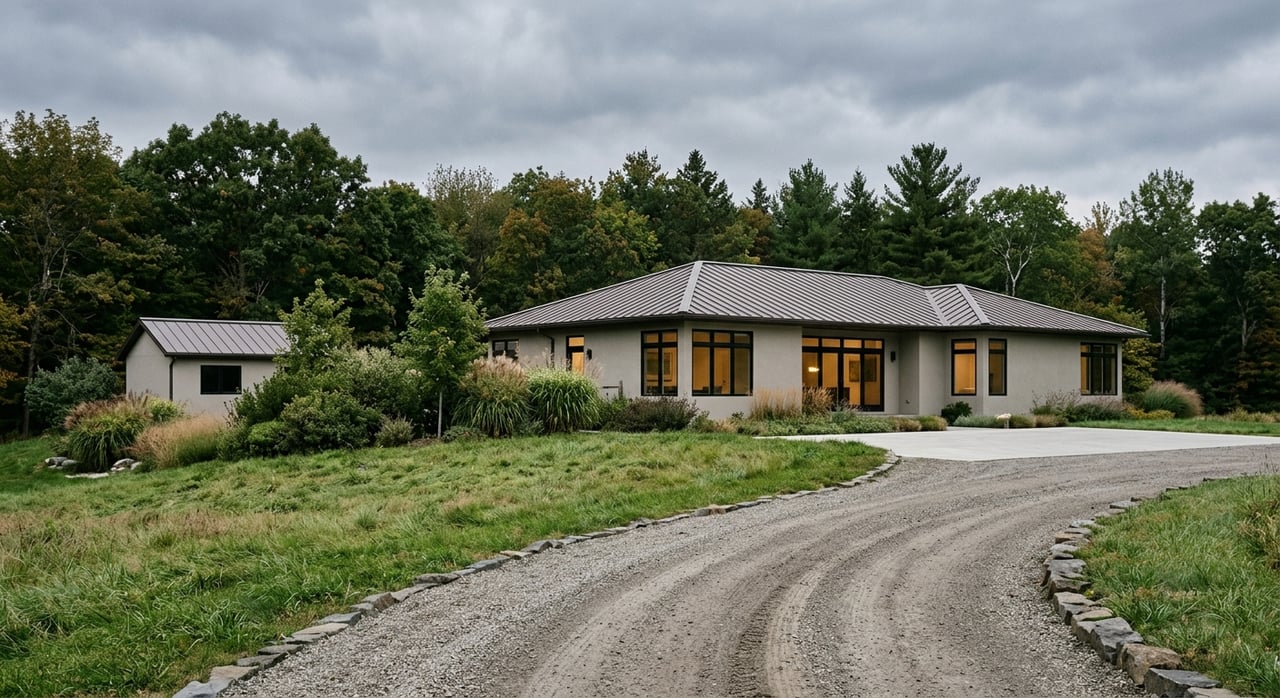
Maui Lani spans parts of Wailuku and Kahului and offers several subdivisions with different architectural styles and lot setups. It features a strong network of neighborhood roads and paths, and it is close to Kahului shopping corridors, the airport and Maui Memorial Medical Center. The terrain is generally flatter, which many buyers appreciate for yard use and simpler exterior maintenance.
Housing and lots: what you will find
Both communities were designed with variety in mind. Expect a range of detached single-family homes and townhomes or duplex-style options. If you prefer a one-level plan, you can find single-story layouts in some phases; if you want more square footage, two-story homes are common as well.
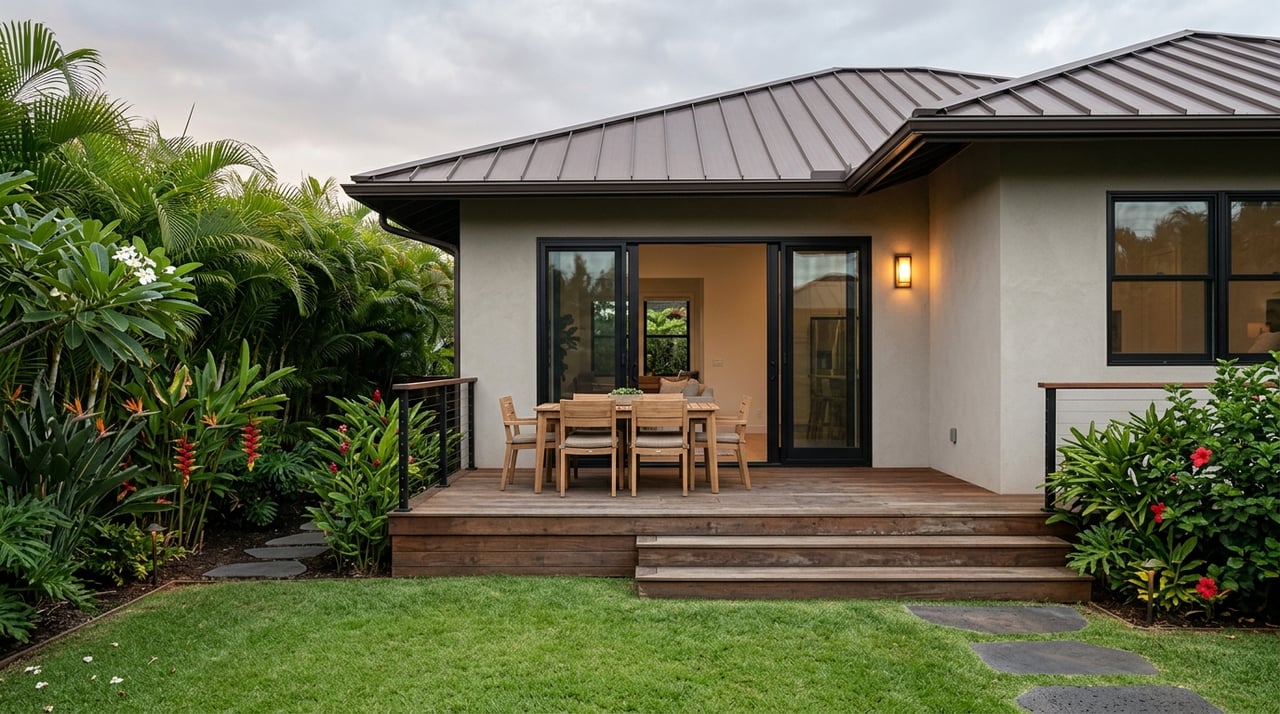
Lot sizes vary by subdivision and by phase. Kehalani includes pockets where elevation and orientation affect yard depth and view potential. Maui Lani’s flatter sections can offer a different yard feel and lot usability. For buyers planning a pool, garden or extra outdoor living, verify setbacks, buildable area and drainage patterns during your due diligence.
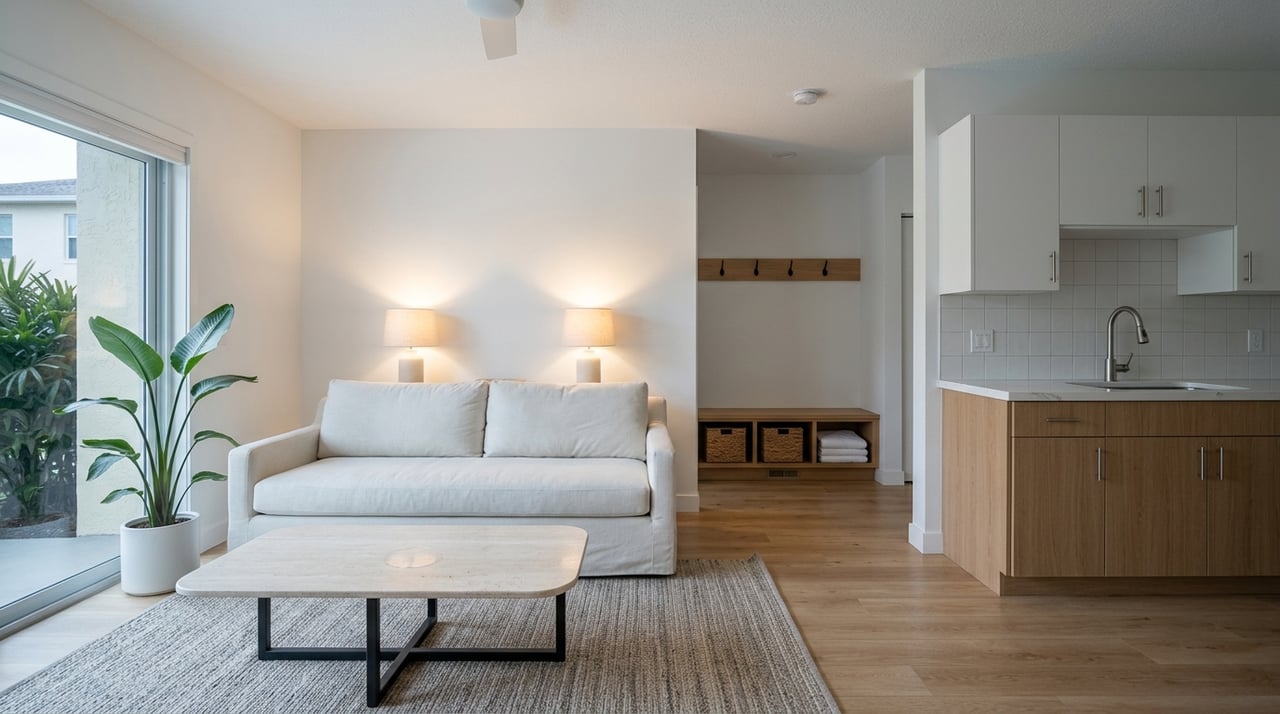
If an accessory dwelling unit is part of your long-term plan, check Maui County zoning for the specific parcel and the subdivision’s covenants, conditions and restrictions. ADU potential depends on both county rules and HOA architectural guidelines.
HOAs, ownership and rules
Each community includes multiple sub-associations, and HOA dues and rules differ by subdivision and by property type. Typical items covered by master and sub-HOAs may include landscaping of common areas, road upkeep, drainage infrastructure and park maintenance. Some neighborhoods have more robust architectural review and exterior guidelines than others.
- Confirm current dues and what they cover by reviewing the most recent HOA budgets and CC&Rs.
- Ask about policies on exterior changes, solar and battery installations, parking, pets and landscaping.
- If you are considering any rental strategy, verify county rules and the specific CC&Rs before assuming short-term or long-term rental options. Many planned neighborhoods limit short-term rentals through their governing documents.
Amenities and everyday convenience
You will find parks, playgrounds and walking paths within and around both master plans. Some amenities are HOA-managed while others are county facilities. Because rules and reservation systems can vary, always confirm who operates a park or community space and whether there are any fees or hours to note.
When it comes to daily needs, both communities sit close to Central Maui’s services. Wailuku’s civic center and county buildings are near Kehalani, while Kahului’s retail corridors and Queen Kaʻahumanu Center are convenient to Maui Lani. Healthcare access is strong in this area of the island, with Maui Memorial Medical Center in close reach.
Commute and transportation
If you work or run errands in Central Maui, both communities offer relatively short drives. Kaʻahumanu Avenue and Lower Main Street connect you across Wailuku and Kahului. For island-wide travel, Honoapiʻilani Highway leads to West Maui, and Haleakalā Highway gets you Upcountry.
Peak-hour patterns matter. School drop-off and afternoon pickup can add time on the main arterials and within internal neighborhood roads. The Maui Bus serves Central Maui with routes through Wailuku and Kahului, so review current schedules if public transit is part of your plan. For the clearest picture, do a few test drives from each neighborhood at the times you expect to travel.
Microclimate and geography
Small elevation and orientation differences create subtle climate shifts between and within the communities. Trade winds can be more consistent in some sections, while others may feel more sheltered at certain times of day. Central Maui generally sees moderate rainfall compared to windward slopes, but drainage and yard conditions vary block by block.
Always review flood information and evacuation overlays for any home you consider. Use FEMA flood resources and Maui County GIS layers to check a property’s status, and speak with your insurance provider about any flood or windstorm endorsements that may be recommended.
Schools, childcare and youth activities
Assigned public schools are determined by the Hawai‘i Department of Education boundary maps and can change over time. Proximity to schools, after-school programs and library branches is often a key factor for local buyers. If walking or biking is part of your routine, review typical routes and traffic patterns during school hours. Confirm school assignments with current DOE maps as part of your due diligence.
Market dynamics and resales
Resale patterns in planned communities depend on inventory, buyer demand and location advantages like proximity to jobs and services. Time on market, pricing trends and turnover rates can differ by subdivision. If there are any active phases of newer construction, that can also influence resale activity and buyer expectations. For a confident plan, review a 6 to 12 month snapshot of closed sales and current listings for the specific neighborhoods you have in mind.
Lifestyle match: map your priorities
Use the checklist below to align your day-to-day needs with each neighborhood’s strengths.
- Larger private yard and outdoor living: Focus your search on sections with bigger lot footprints and single-family dominance. Verify setbacks, drainage and pool feasibility.
- Lower exterior maintenance: Consider townhomes or areas where exterior elements are HOA-managed. Compare dues, coverage and landscaping standards.
- Newer construction and modern layouts: Look at newer phases in either community and recent resale homes with updated systems or finishes.
- Walkability to services and schools: Map your routes to retail, medical offices and schools. Compare internal paths and road crossings for your daily routine.
- Views and breezes: Visit homes at different times of day to gauge wind exposure and potential view lines.
- Rental flexibility: Confirm county zoning and CC&Rs for any rental possibilities. Rules vary by subdivision.
Budget planning checklist
Buying in a master-planned community involves both upfront and ongoing costs. Build a realistic picture early.
- Upfront: Purchase price, closing costs, title and recording fees.
- Ongoing: Property taxes, HOA dues, utilities, potential irrigation costs, landscaping or pool care and homeowners insurance.
- Risk planning: Ask about flood zones and windstorm coverage to understand insurance requirements.
- Renovation reserves: If you target older resale homes, set aside funds for updates or energy improvements.
How to compare homes side by side
Use a structured process to remove guesswork.
- Tour both areas at different times. Include weekday mornings and afternoons to see school and commute impacts. Visit again on a weekend to feel the neighborhood rhythm.
- Map your commute. Time your route to key destinations like OGG, Wailuku civic center, Kahului retail corridors, Lahaina and Upcountry.
- Pull the right documents. Request CC&Rs, recent HOA budgets, and any architectural guidelines. Note rules for exterior changes, parking, pets and rentals.
- Check parcel data. Review Maui County parcel maps for lot size, elevation, drainage and any flood or tsunami overlays.
- Confirm school assignments. Use current DOE boundary maps for elementary, middle and high school.
- Compare running costs. Estimate HOA dues, insurance and utilities, and add any routine maintenance specific to yard size or features.
- Review market data. Look at 6 to 12 months of sales and current inventory for the exact subdivisions you prefer.
- Plan your move-up logistics. If you are selling to buy, discuss timeline options and contingencies that keep you competitive while protecting your downside.
Next steps
Choosing between Kehalani and Maui Lani does not have to be complicated. With a clear list of priorities and current neighborhood data, you can make a confident decision that fits your lifestyle and budget. If you would like a personalized side-by-side that includes recent sales, HOA comparisons and a move-up game plan, connect with Leslie-Ann Yokouchi. Our team brings decades of local insight and a high-touch process to help you land the right home in Central Maui.
FAQs
Which community is more family-friendly in Central Maui?
- Both master-planned areas serve many households. Compare your address’s school assignments, nearby parks, lot sizes and internal traffic patterns to see what fits your routine.
Which area tends to have lower HOA fees and fewer rules?
- Fees and restrictions vary by subdivision and by property type. Review current CC&Rs and HOA budget summaries for the specific neighborhoods you are considering.
Are short-term rentals allowed in Kehalani or Maui Lani?
- Short-term rental rules are set by Maui County and each subdivision’s CC&Rs. Many planned communities limit STRs, so verify both county zoning and the community’s governing documents.
Which neighborhood has better resale potential in Central Maui?
- Resale strength depends on supply and demand, proximity to jobs and services and current inventory. Review recent MLS trends and days on market for your target subdivisions.
How do commute times compare between Kehalani and Maui Lani?
- Both are centrally located with generally short drives to Wailuku and Kahului. Actual times vary by destination and peak-hour congestion, so test your routes at the times you expect to travel.