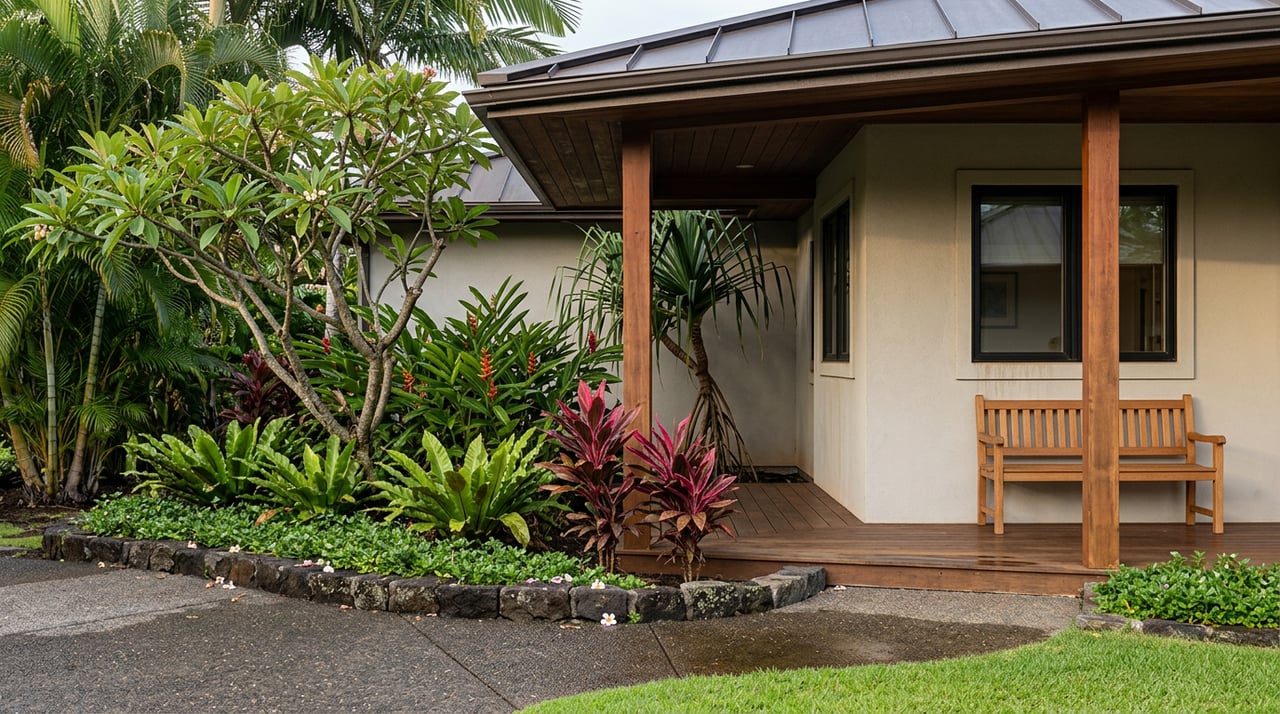
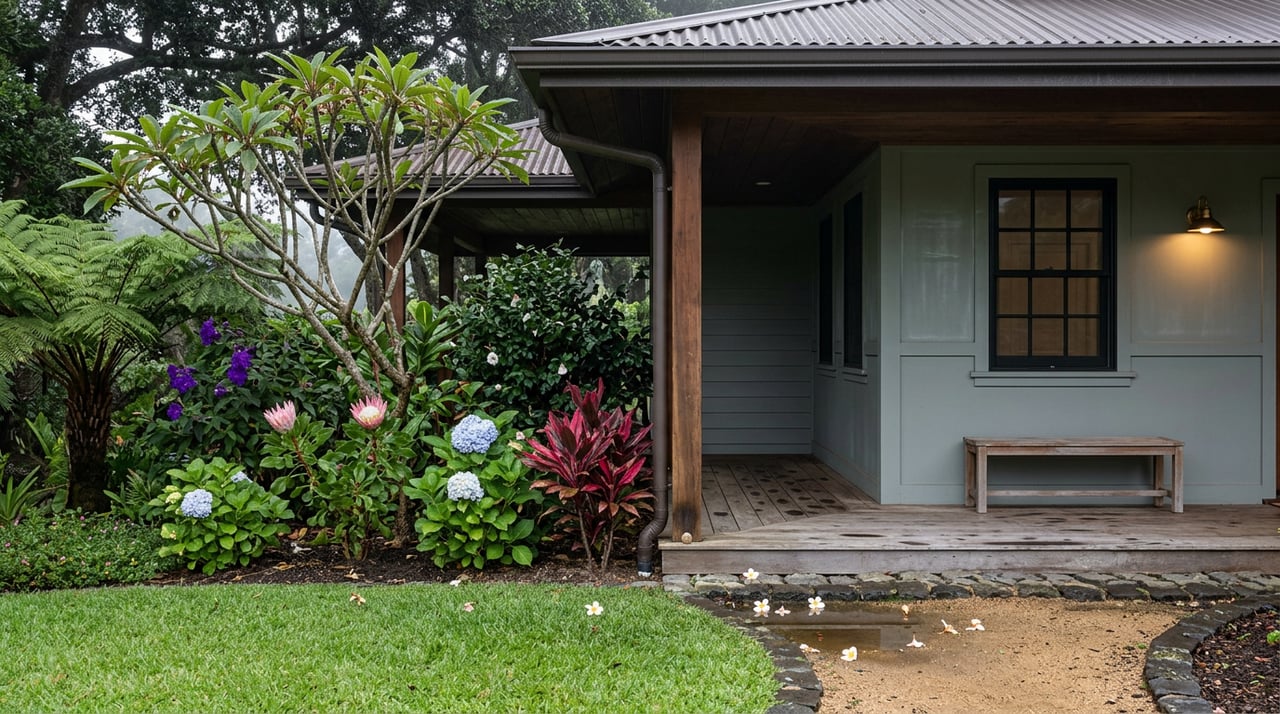
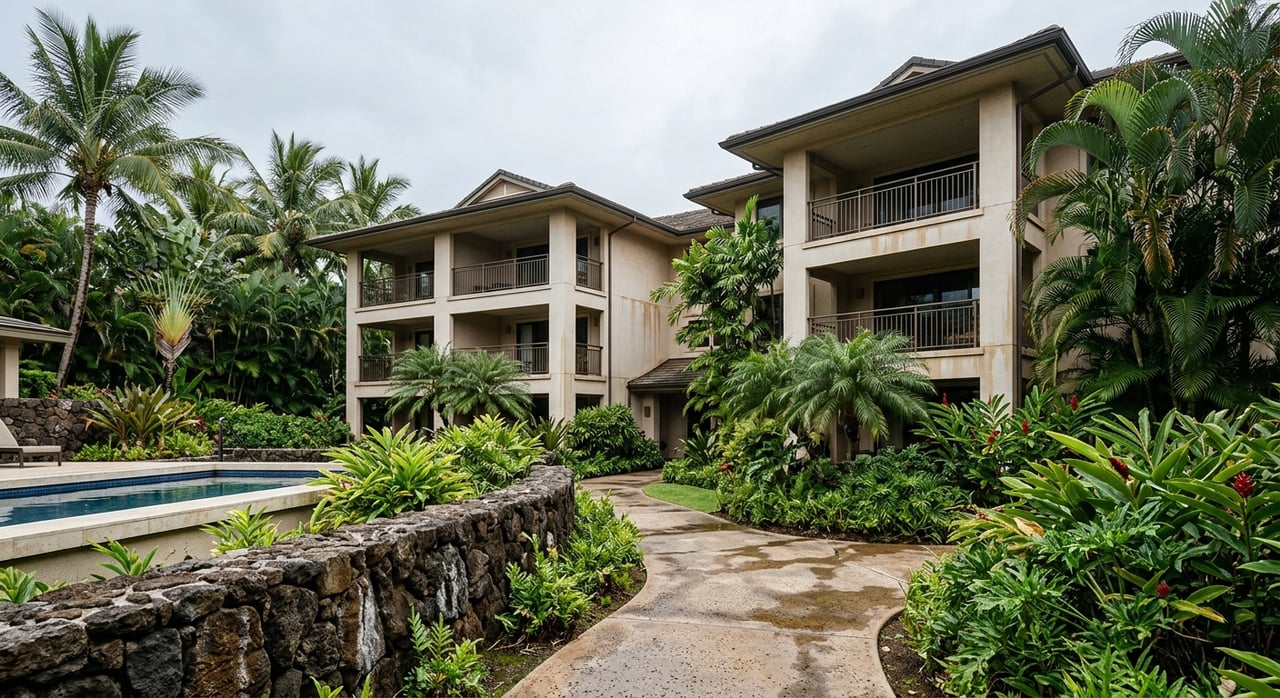
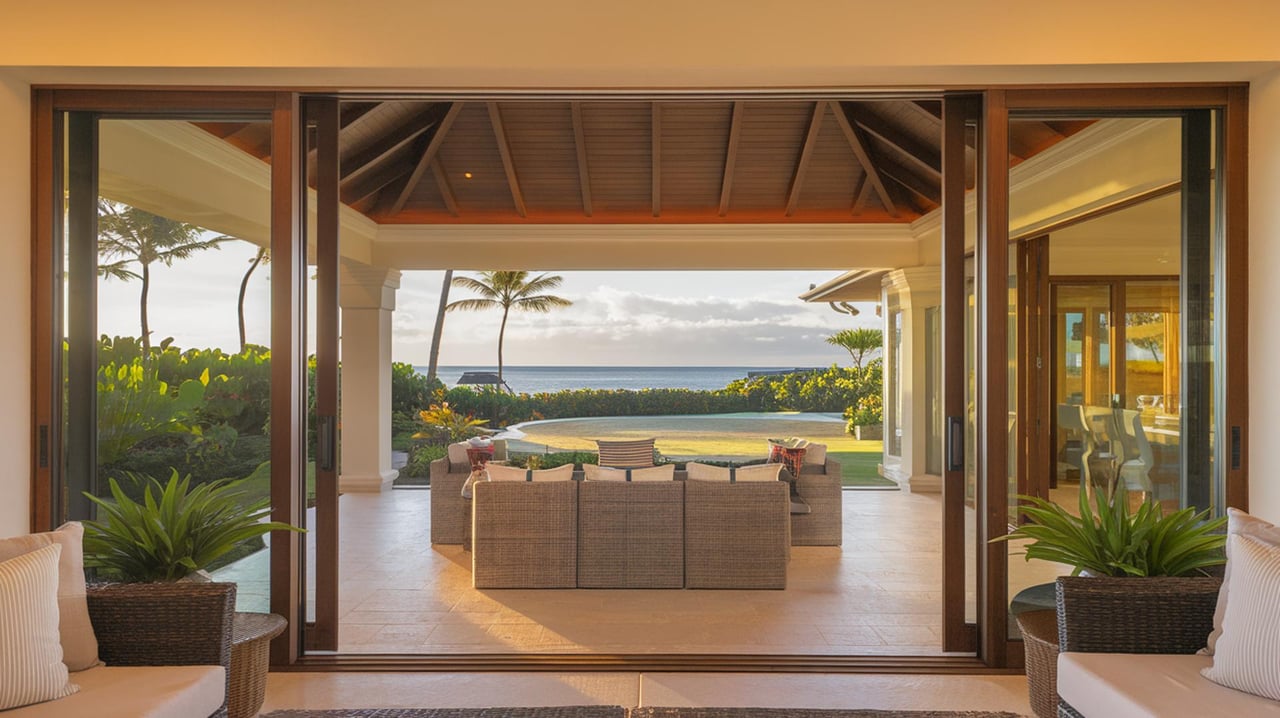
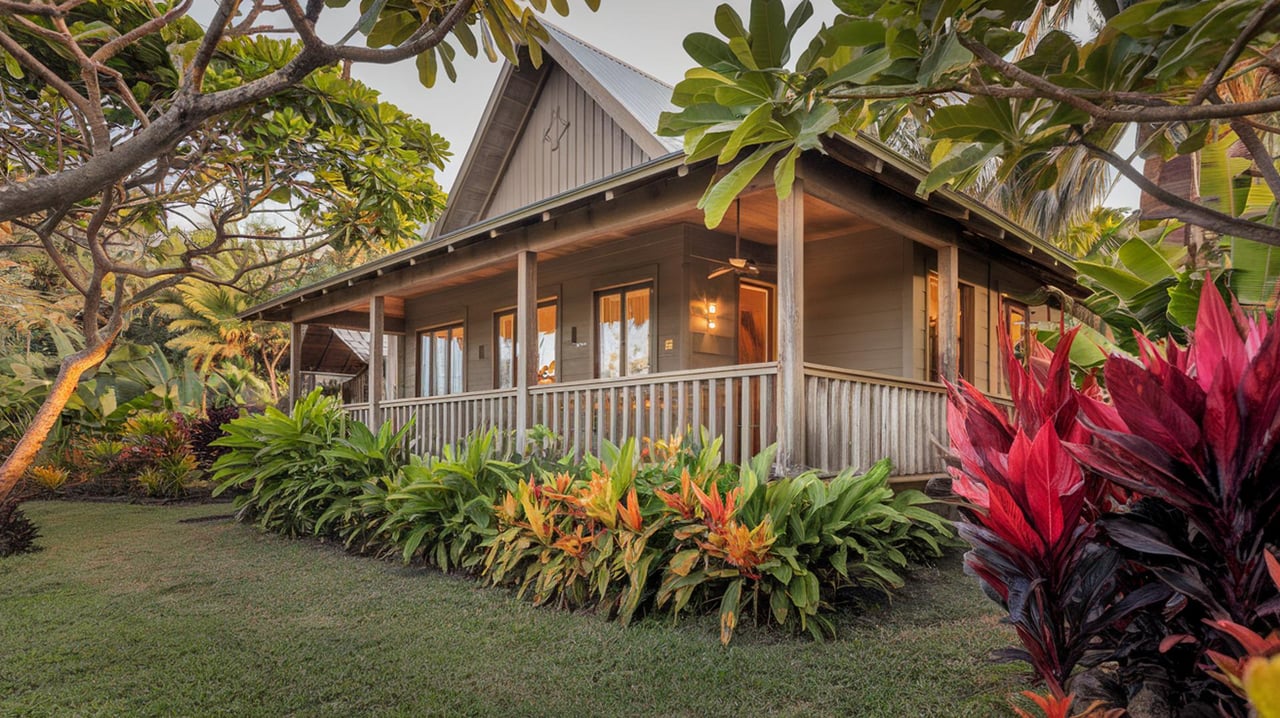
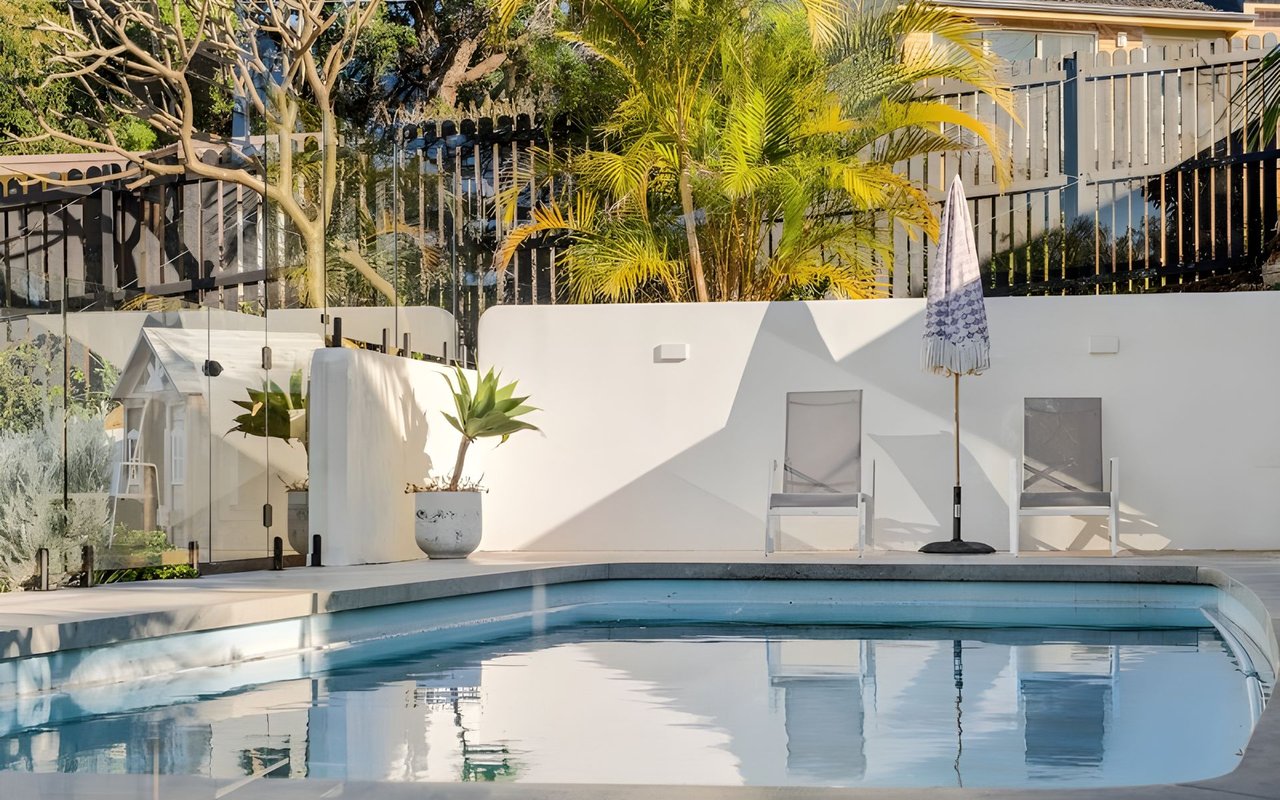
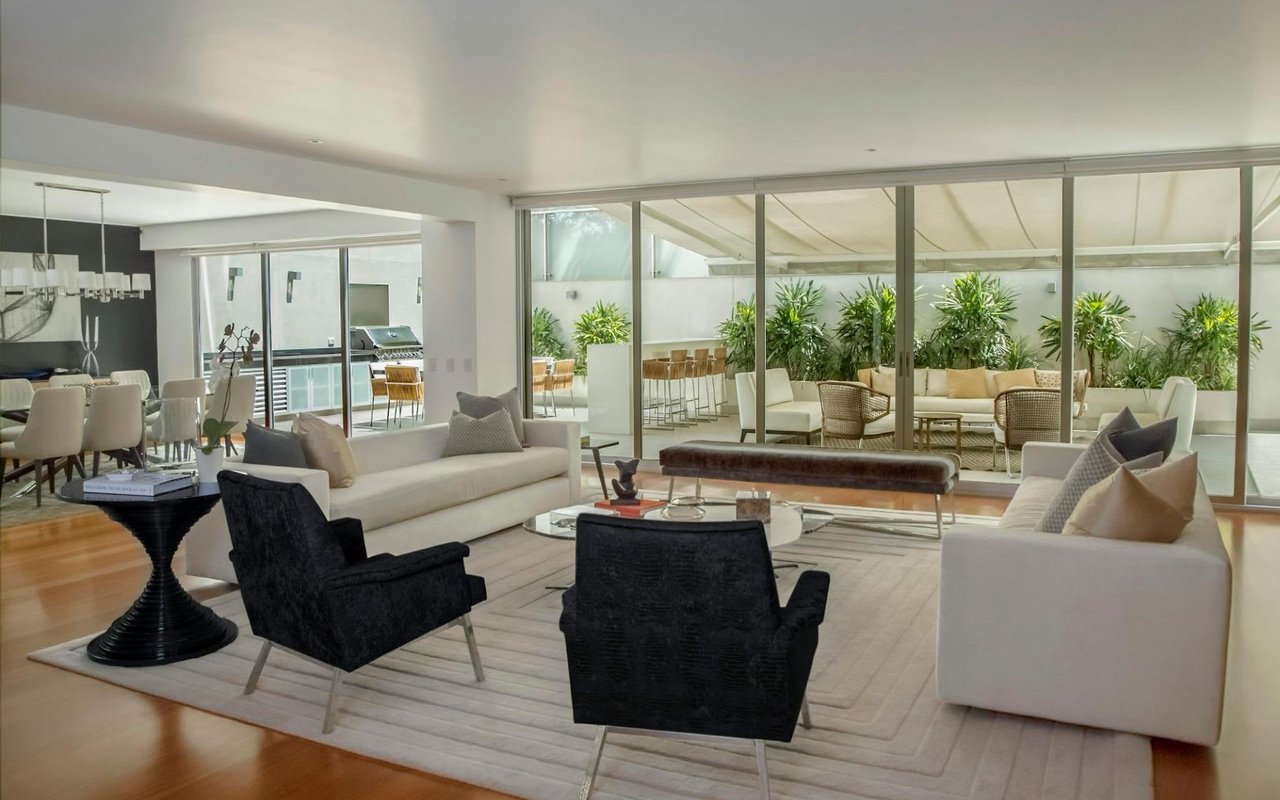
If you plan to use your South Maui condo as a vacation rental, guest experience starts long before check-in. In a place like Maui County, preparing a condo well means more than adding attractive furniture or fresh linens. You need a setup that can handle sun, humidity, frequent turnover, and clear guest communication around safety and local rules. Let’s dive in.
Start With Legal Use
Before you furnish, market, or book the condo, confirm the property’s legal path for short-term use. Maui County directs owners to review short-term rental options that may include B&B, Land Use Commission special use, conditional use, STRH, and zoning and flood confirmation tools through its short-term rental resources.
Tax setup matters too. Hawaiʻi guidance notes that short-term rentals of fewer than 180 consecutive days are taxable business activity and are subject to GET and TAT registration and filing, which is why owners should verify compliance before moving forward through the county’s short-term rental page.
If your condo operates under Maui County STRH rules, operating details also matter. Current code requires items such as a current GET and TAT license, an accessible manager while the rental is operating, designated onsite parking, no parties or group gatherings, and advertising that includes the permit number and TMK plus house policies or a working link to them on reservation websites, as outlined in the Maui County code of ordinances.
Choose Materials for South Maui Conditions
South Maui’s leeward climate is generally sunny and dry, but winter can bring more clouds and rainstorms, according to the NOAA climate summary for Hawaiʻi. That means your condo should be prepared for bright sun most of the year and periodic moisture at certain times.
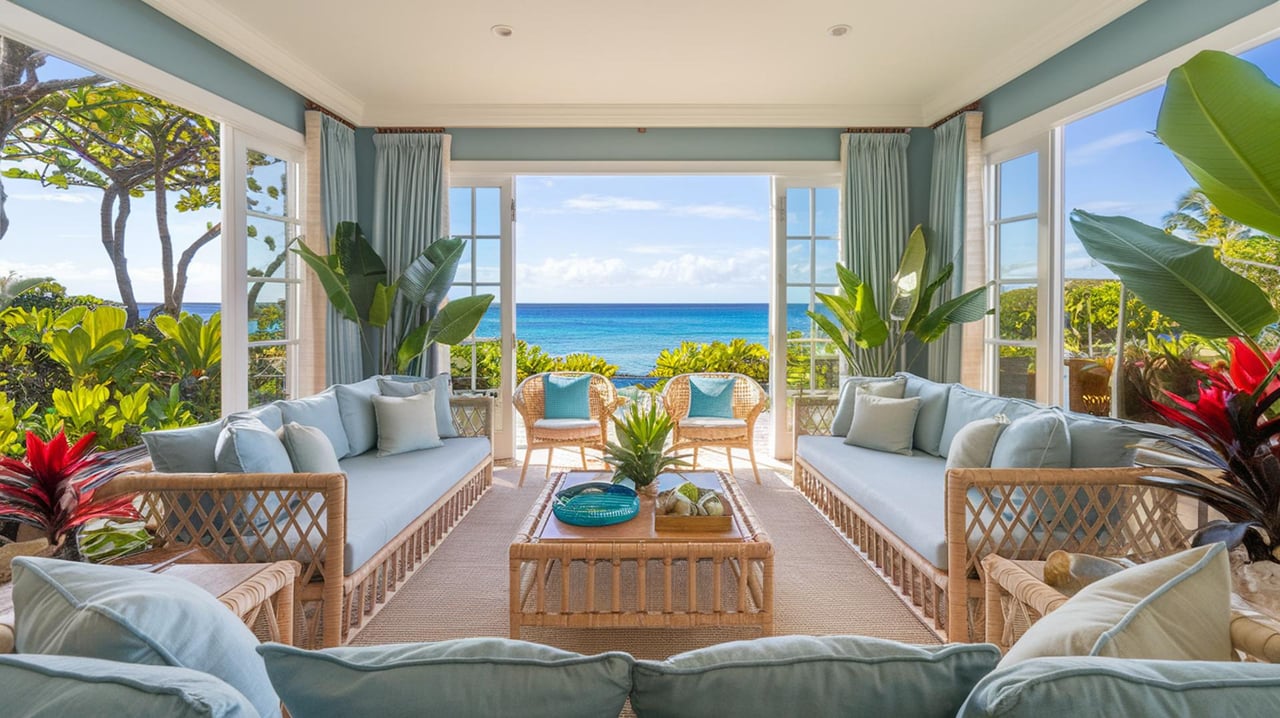
For most owners, durable and easy-clean finishes make more sense than delicate decor. Wipeable furniture surfaces, washable textiles, and simple styling usually hold up better under repeated guest stays than absorbent fabrics or high-maintenance materials.
Moisture control should also shape your choices. The EPA says indoor humidity should ideally stay below 60 percent, and both EPA and CDC guidance emphasize drying damp items quickly and paying attention to wet or mold-prone materials through the EPA’s mold guidance and the CDC’s mold prevention guidance.
Keep the Decor Simple to Reset
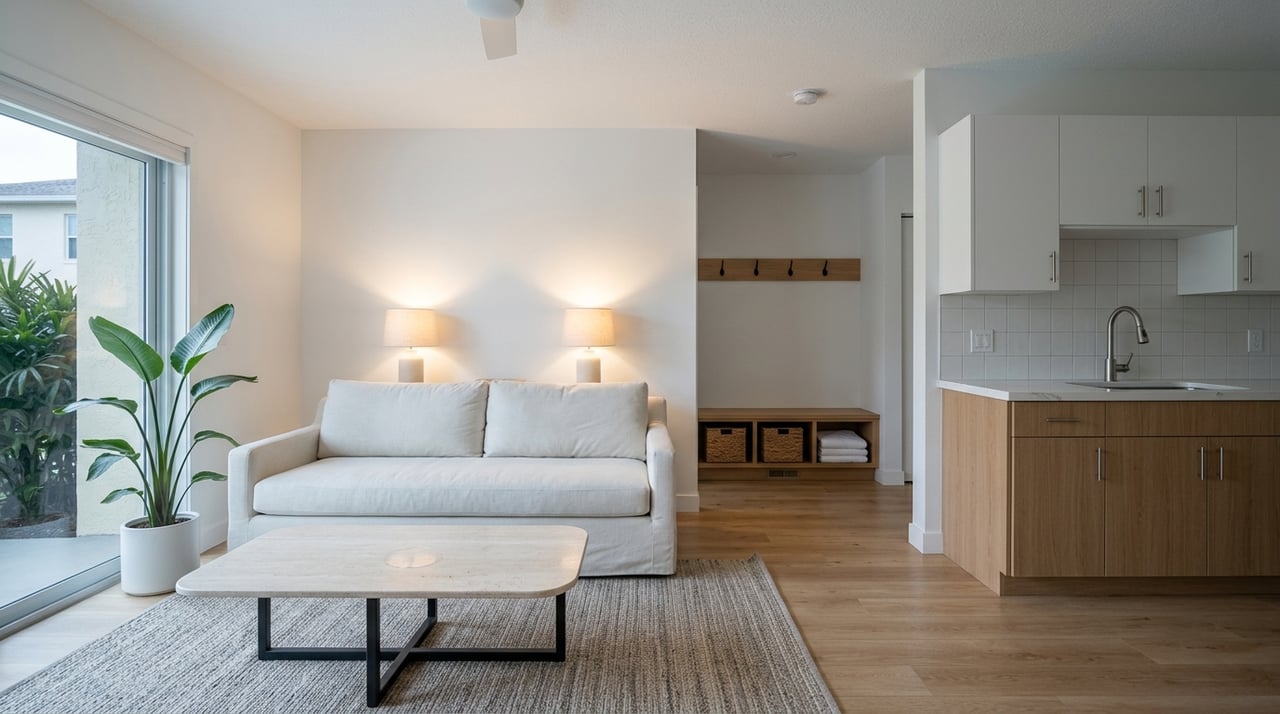
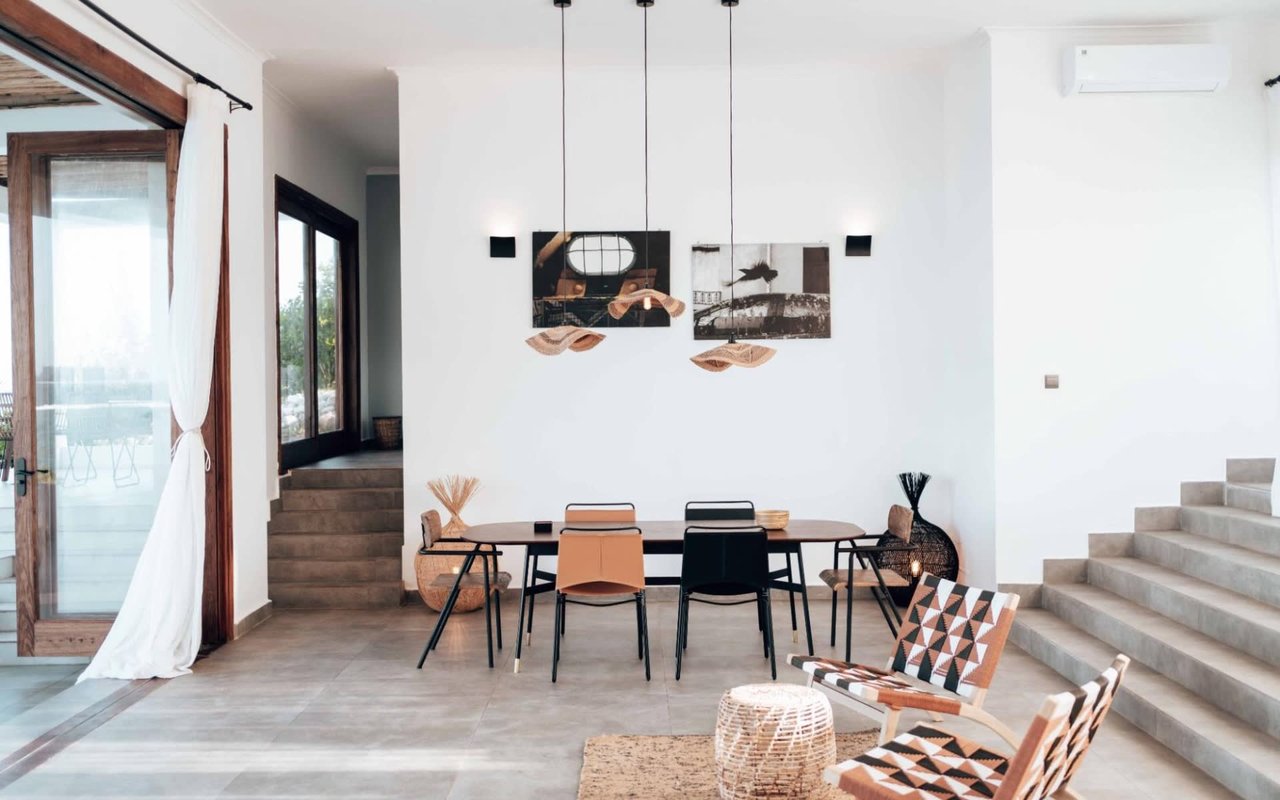
A vacation rental condo works best when it is easy to return to the same clean setup after every stay. In practical terms, that means avoiding too many decorative objects, oversized fabric pieces, or fragile items that slow down housekeeping.
Simple decor is not about making the condo feel bare. It is about creating a layout that looks polished, feels calm, and can be reset quickly without guesswork. That low-friction approach is especially helpful in South Maui, where frequent turnover and climate exposure can create faster wear than a private second home.
If you are preparing a condo for future resale as well as rental use, a streamlined look can also help buyers see the property’s potential. Clean lines, durable finishes, and clear function tend to support both guest usability and owner appeal.
Build a Back-of-House System
One of the smartest ways to prepare a South Maui condo is to think beyond the guest-facing areas. A rental-ready unit needs a clear back-of-house system for supplies, replacement items, and turnover tasks.
A strong setup often includes:
- One lockable owner closet or cabinet for supplies
- One master inventory list
- One turnover checklist for cleaning and reset tasks
- Backup linens and towels
- Quick-replacement items for small breakables or worn soft goods
This kind of organization supports faster turnovers and fewer mistakes. Maui County’s STRH inspection form also points to the importance of a defined layout, including a floor plan and, when applicable, a site plan that separates guest-use and non-guest-use areas through the county’s short-term rental home inspection form.
A lockable owner storage area is especially useful. It protects personal items, keeps extra supplies in one place, and helps cleaners reset the condo without searching through cabinets intended for guest use.
Plan for Fast Linen Turnover
Laundry setup can shape your entire turnover process. If the condo has on-site laundry, same-day linen changes are usually easier to manage and can simplify scheduling between reservations.
If there is no laundry in the unit, storage becomes even more important. You will want clearly labeled spare linens, towels, and cleaning items so the condo can still be reset efficiently using a repeatable system.
This is where backup planning matters. CDC guidance notes that damp or mold-prone soft goods may need to be cleaned or replaced, so having extras ready can help keep your condo guest-ready without delays, based on the CDC’s mold prevention recommendations.
Prioritize Safety Equipment
Safety should be visible, simple, and easy for guests to understand. Maui County fire-safety materials recommend smoke alarms in every sleeping room, one outside the sleeping area, and one on each level, along with monthly testing and annual battery changes, according to the county’s fire safety information.
A well-prepared condo should also have a visible fire extinguisher and a clearly posted escape plan. County guidance recommends planning two ways out of each room, choosing an outside meeting place, and practicing the plan twice a year, which can help shape the emergency information you leave for guests through the same fire safety guidance.
A carbon monoxide alarm is another smart addition, especially if the condo has any fuel-burning appliance or an attached garage. The CPSC explains that carbon monoxide is odorless and recommends alarms on every level and near sleeping areas in its carbon monoxide safety guidance.
Do Not Overlook Fire-Safe Layout
Furniture placement is part of safety planning too. Maui County warns against blocking sprinklers with furniture or fabrics and says you should not hang or paint items on them, according to the county’s fire safety information.
That matters in condos where space is limited and owners may be tempted to maximize every corner. Keeping clear space around ceiling equipment, exits, and walkways supports both safety and easier movement for guests.
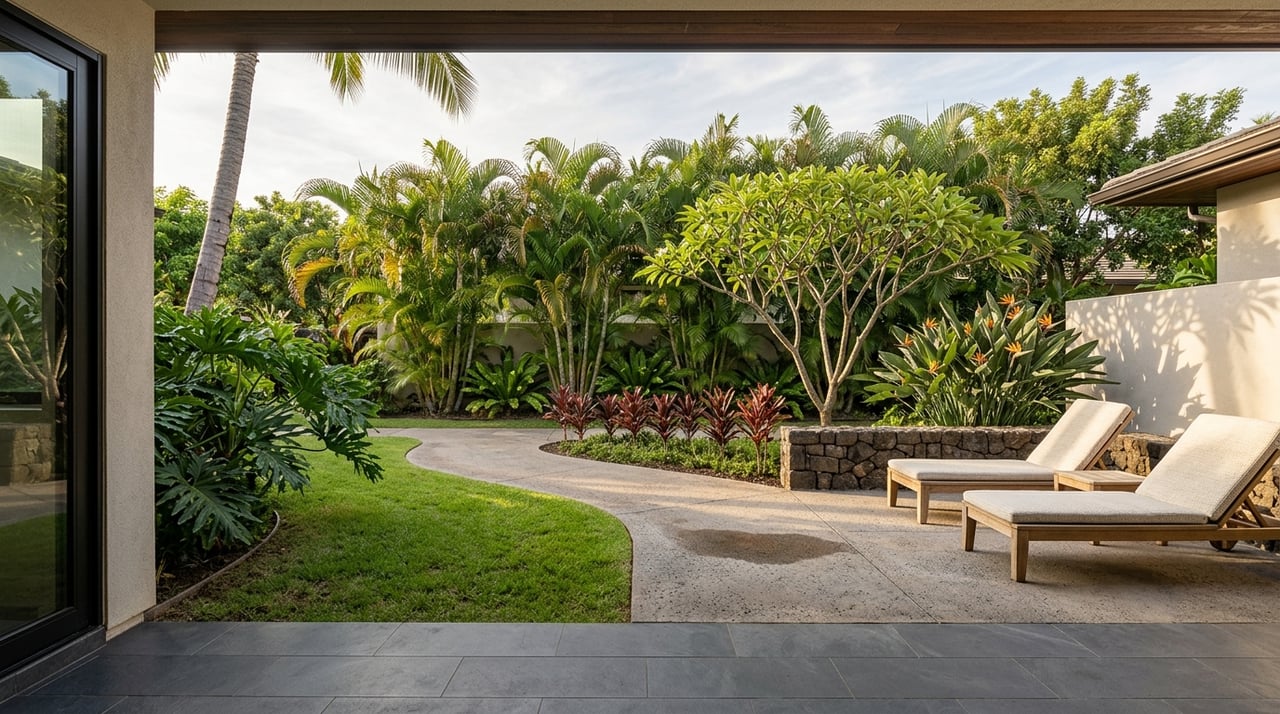
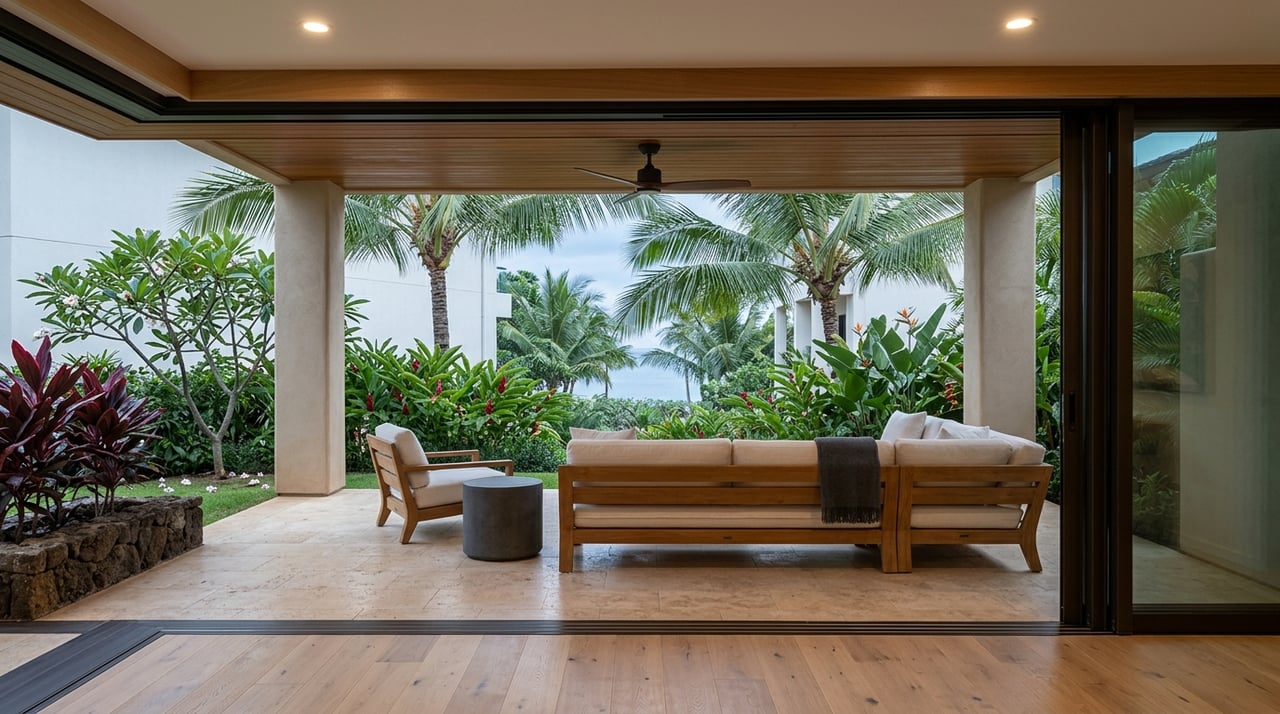
Lanai layouts deserve the same attention. Outdoor furniture should feel comfortable without crowding doors, paths, or safety features.
Create a Clear Guest Guide
A strong guest guide can prevent confusion, protect the condo, and support a smoother stay. In Maui County, it should also help guests understand emergency systems and property-specific information.
County inspection materials call for written guest materials that identify the water shutoff valve and, if there is a fireplace, include fireplace instructions through the inspection form requirements. STRH materials also require a monthly smoke-detector log, which supports a more structured maintenance routine.
Your guest guide should also include:
- The condo’s house rules
- Parking instructions
- Check-out expectations
- Emergency contact information
- Safety equipment locations
- The unit’s evacuation zone information
The goal is to make important information easy to find, not buried in a long binder that no one reads.
Add an Emergency Readiness Sheet
In Maui County, emergency communication is an essential part of guest preparation. The county expects residents and visitors to use evacuation-zone information, Wireless Emergency Alerts, and the statewide siren system, as explained by the Maui Emergency Management Agency.
A one-page emergency sheet is one of the highest-value items you can include in a South Maui condo. It should explain how guests can find the unit’s zone, what local sirens or alerts mean, and where to look for official updates.
Maui County also directs the public to use MEMA alerts, the Genasys zone tool, radio, TV, cable, sirens, and Wireless Emergency Alerts for instructions during emergencies through the county’s emergency information page. If you host guests who may be unfamiliar with Hawaiʻi systems, simple wording and clear steps can make a big difference.
Focus on Easy, Repeatable Operations
The best-prepared South Maui vacation rentals are not always the most elaborate. In many cases, they are the easiest to operate, clean, maintain, and understand.
That means your condo should look clean, feel intuitive, and hold up well between stays. Durable materials, simple decor, organized storage, visible safety tools, and clear written instructions all support a better guest experience and a more manageable ownership experience.
If you are buying, selling, or evaluating a South Maui condo with vacation rental potential, local guidance matters. Leslie-Ann Yokouchi can help you think through condo usability, market positioning, and practical setup considerations with the kind of Maui insight that supports smart long-term decisions.
FAQs
What should a South Maui condo guest guide include?
- A South Maui condo guest guide should include house rules, parking instructions, emergency contacts, safety equipment locations, evacuation-zone details, the water shutoff location, and any required operating instructions for unit features.
How should you furnish a Maui County vacation rental condo?
- You should generally choose durable, wipeable, and washable materials that can handle sunny conditions, periodic moisture, and frequent guest turnover more easily than delicate or absorbent decor.
What safety equipment should a South Maui vacation rental have?
- A South Maui vacation rental should have smoke alarms placed according to Maui County fire guidance, a visible fire extinguisher, a posted escape plan, and, where relevant, carbon monoxide alarms near sleeping areas and on each level.
Why is emergency information important in a Maui County vacation rental?
- Emergency information helps guests understand evacuation zones, sirens, Wireless Emergency Alerts, and where to get official instructions, which is especially important for visitors who are unfamiliar with Maui County systems.
What operational setup helps a condo handle guest turnover better?
- A defined turnover system with a lockable owner storage area, backup linens, inventory lists, and cleaning checklists can make resets faster, more consistent, and easier to manage between guest stays.