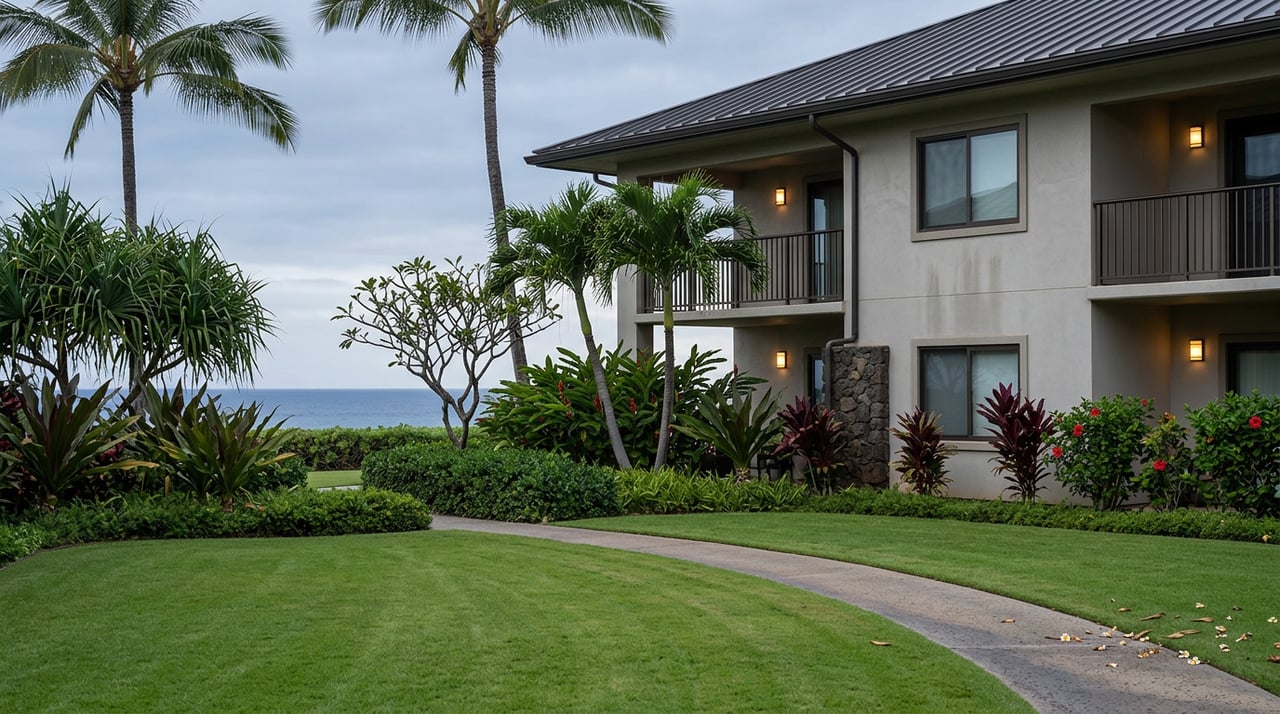
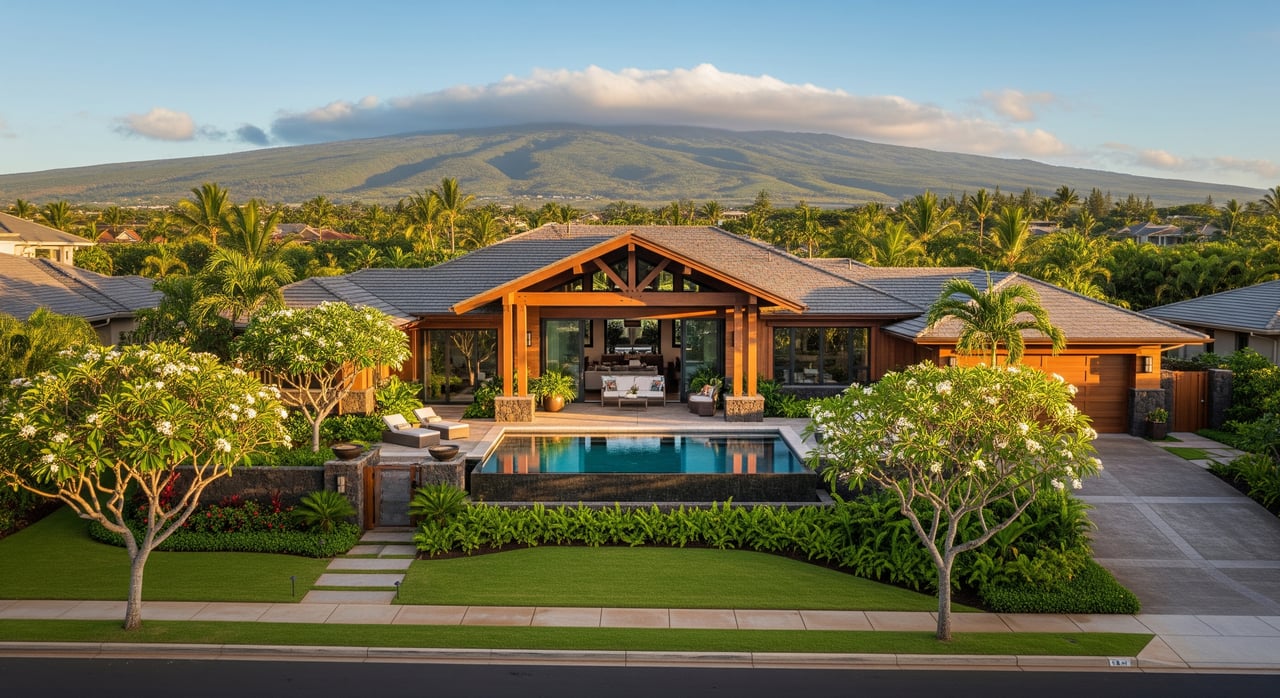
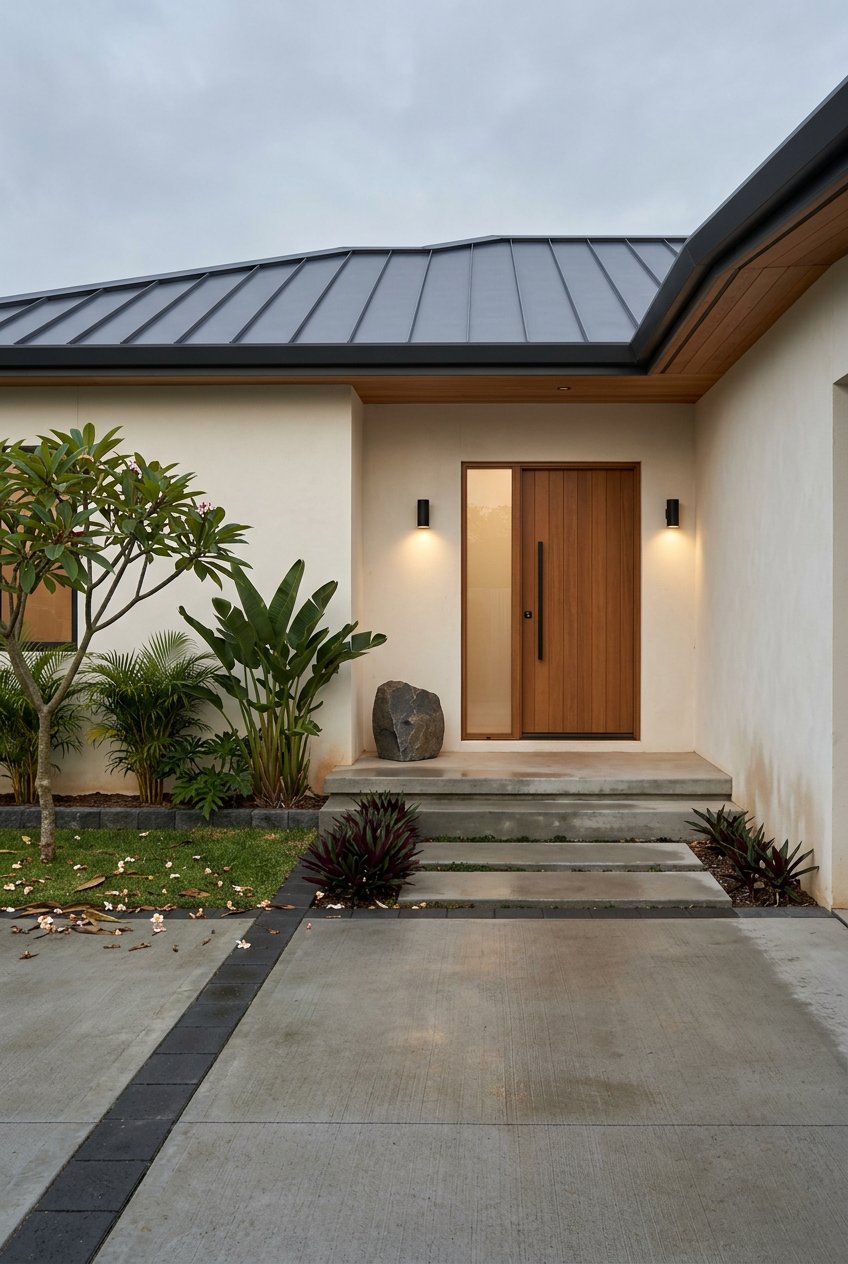
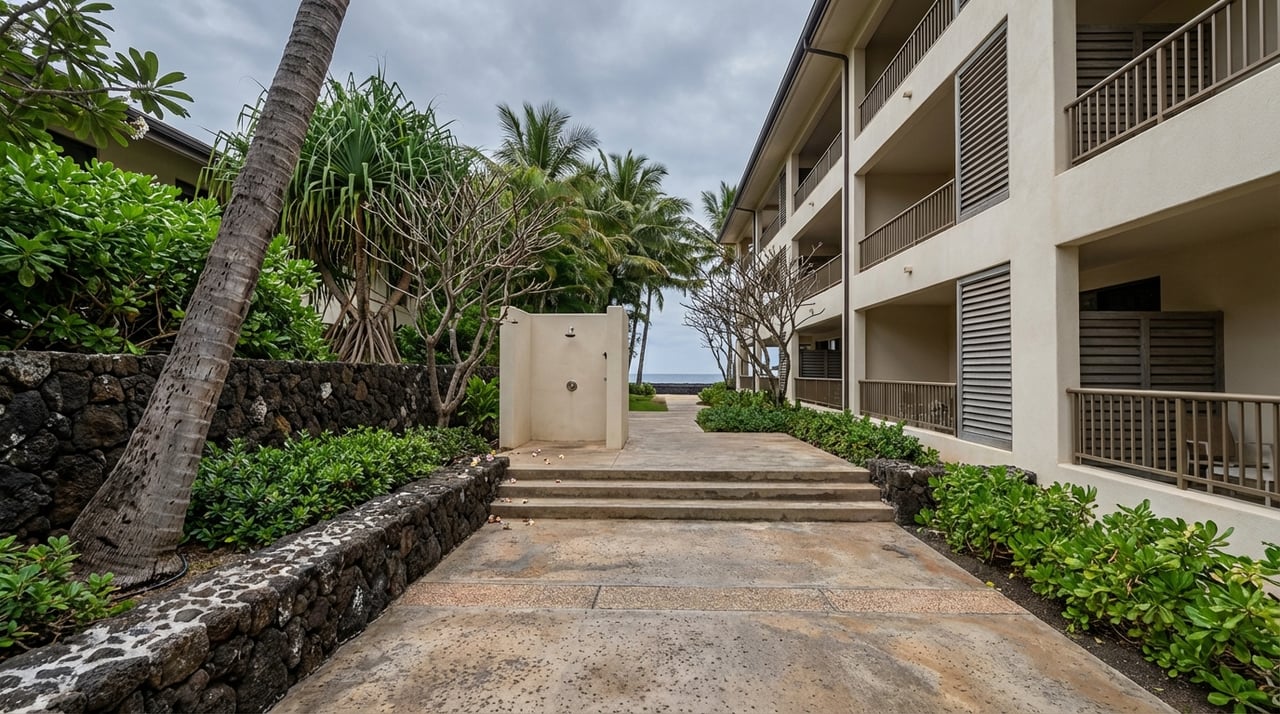
Trying to choose between North/Central Kihei and South Kihei? Your daily routine, budget, and beach access can feel very different from one end of town to the other. If you know Kihei is right but are unsure where to focus, you’re in the right place. In this guide, you’ll learn how each area lives day to day, what kinds of homes you’ll actually find, commute and amenity trade-offs, and key rules that could affect your plans. Let’s dive in.
Kihei in two halves: how locals split it
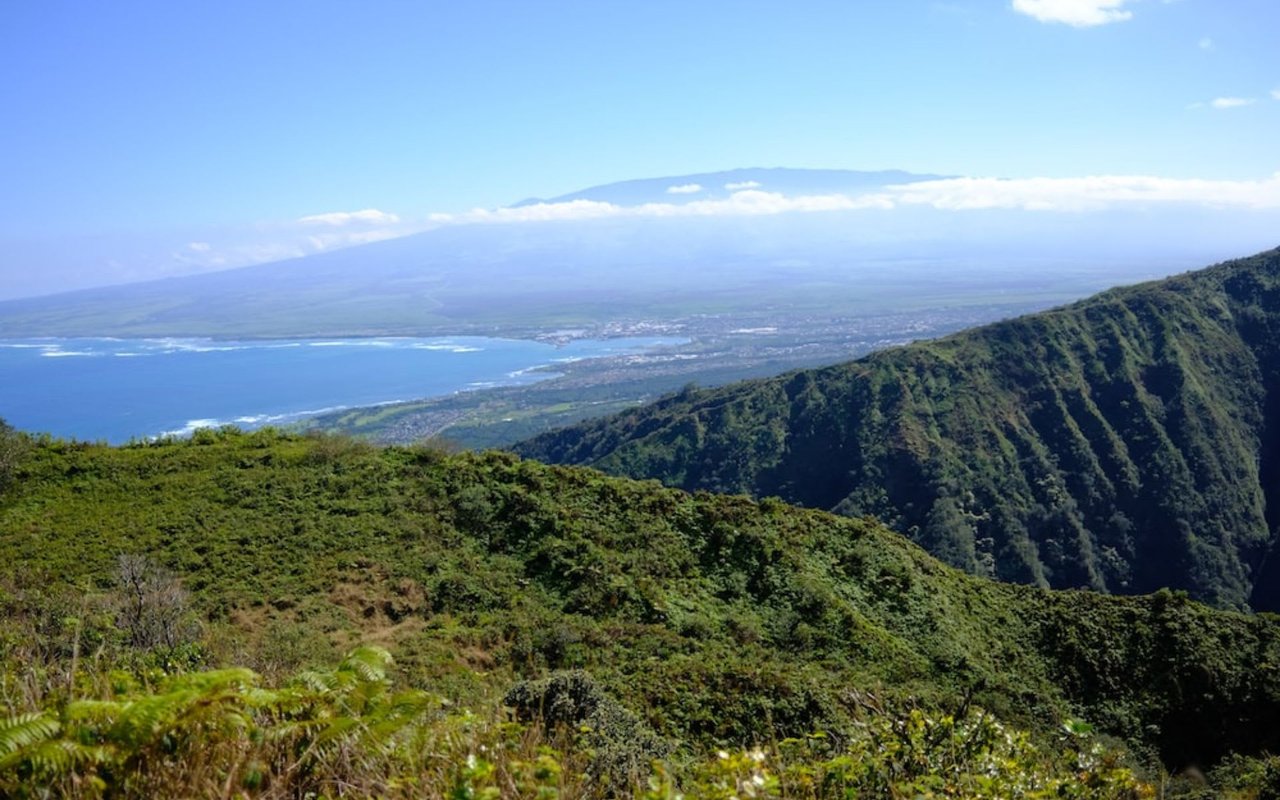
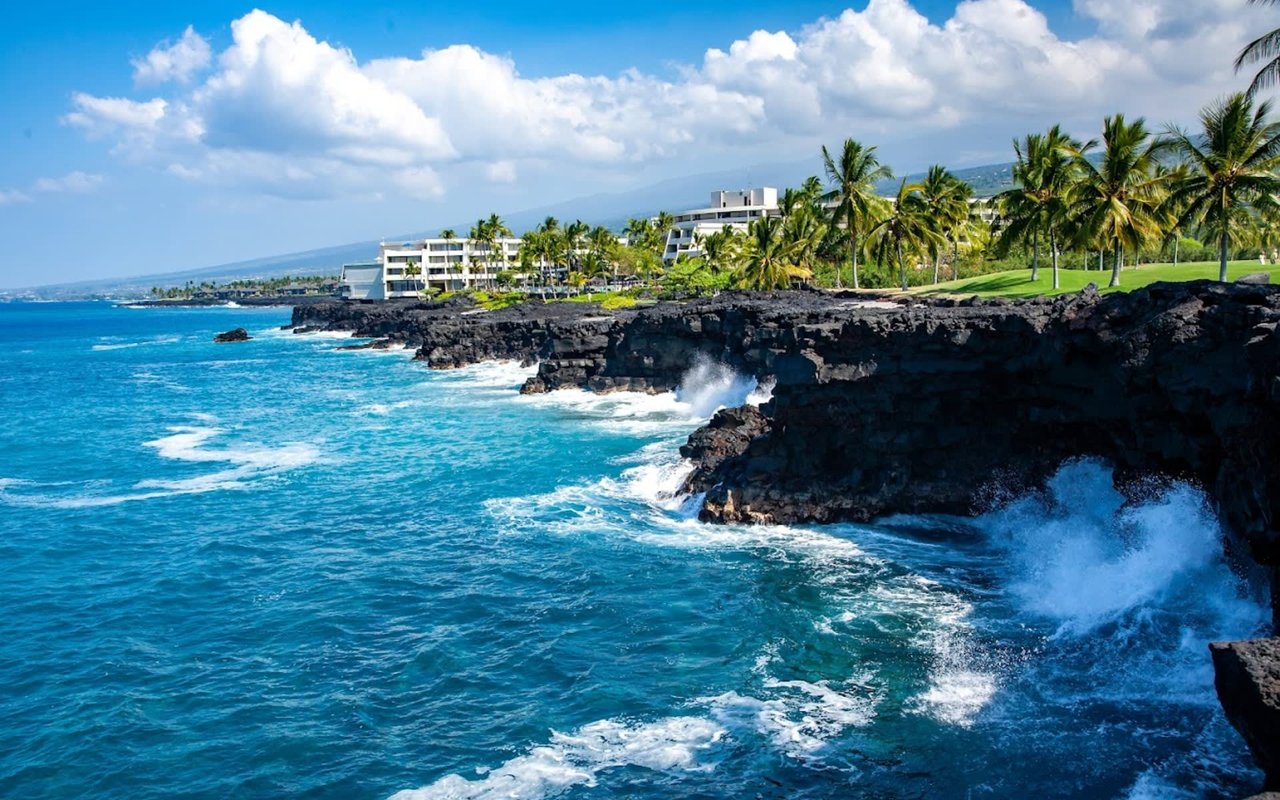
Kihei is a long, leeward coastal town along South Kihei Road, with Maalaea to the north and Wailea to the south. It is the primary population center on Maui’s south shore, with a recorded population in the Kīhei CDP at the 2020 Census. Local usage often groups it into North/Central Kihei and South Kihei, which are informal distinctions rather than legal neighborhoods. You can read more about the town’s layout on the Kīhei overview page on Wikipedia.
For this guide, we use a practical map: North/Central Kihei runs from the Keālia Pond and North Kihei Road area south through the Kamaole I–III park corridor. South Kihei runs from the Kamaole III area through Keawakapu Beach toward the Wailea border. The northern edge includes the Keālia Pond National Wildlife Refuge, a helpful landmark and nature area for orientation and trails (Keālia Pond NWR visitor info).
Beaches and vibe by area
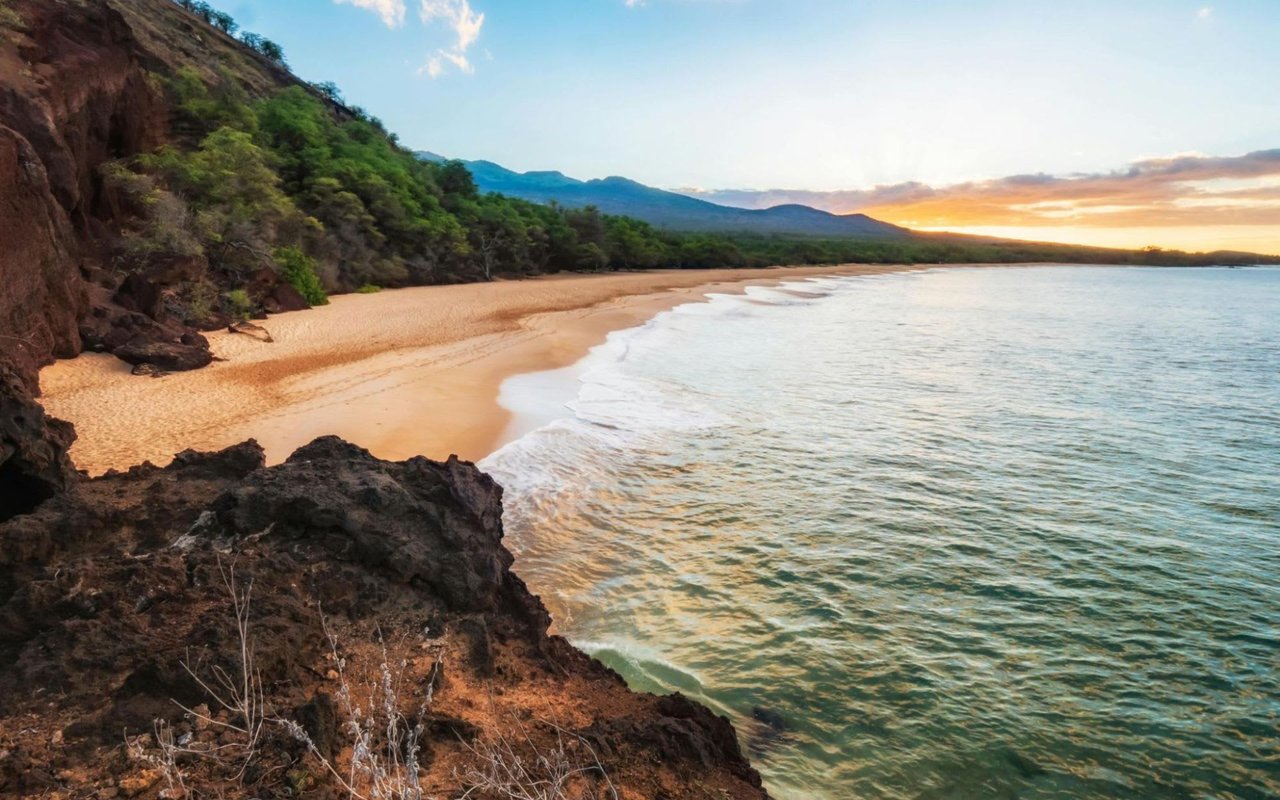
North/Central Kihei: Kamaole parks and everyday beaching
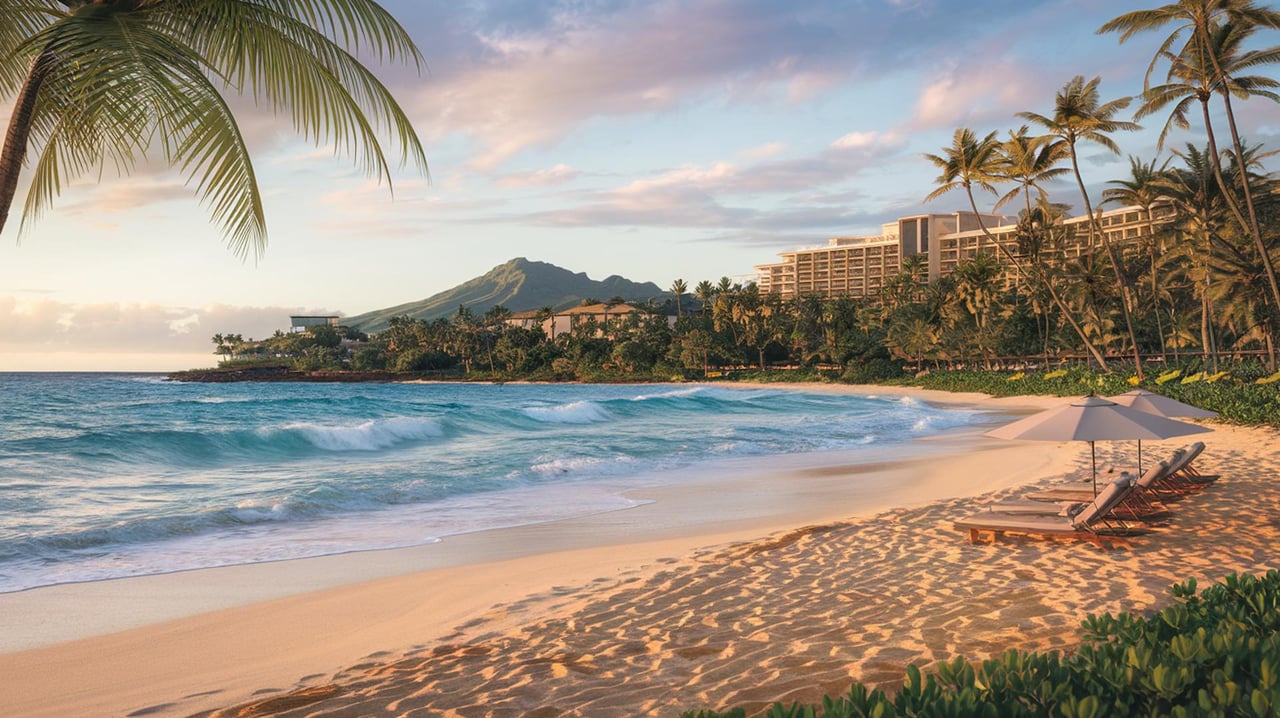
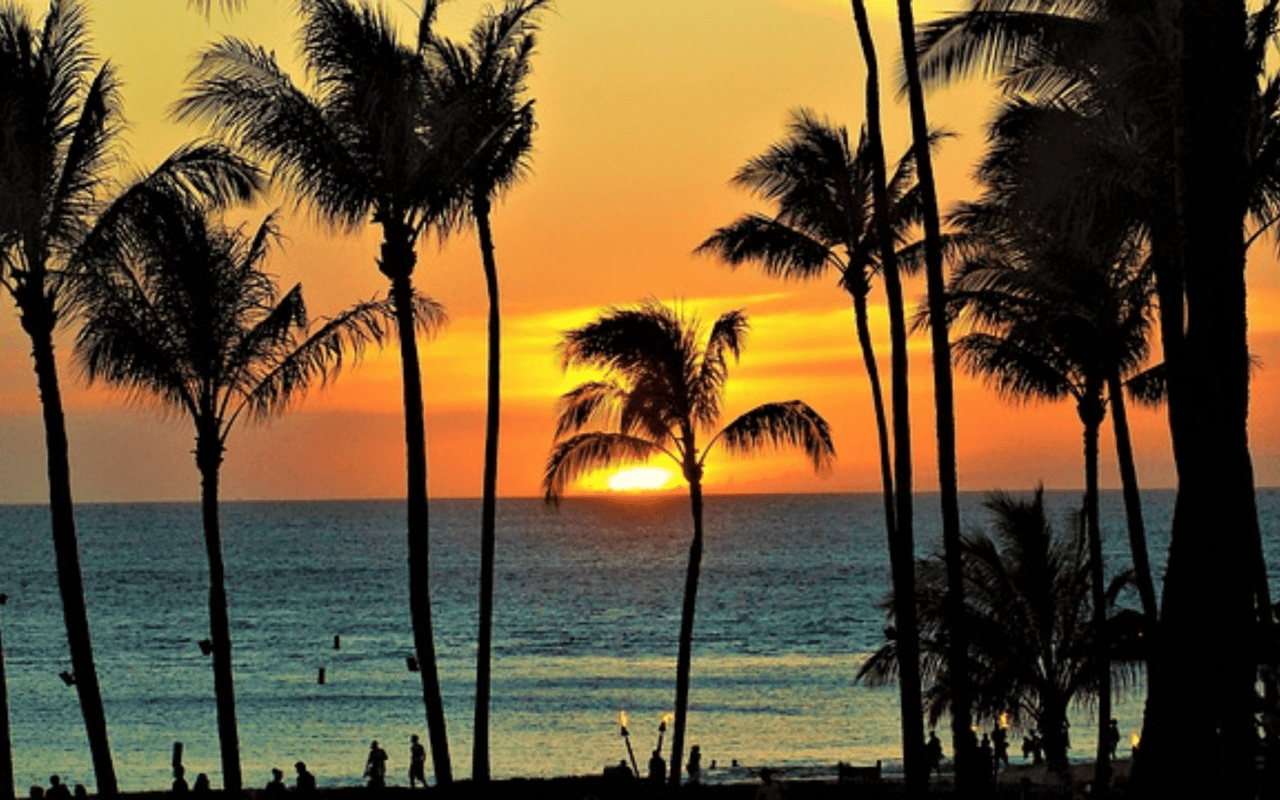
Central Kihei is home to the Kamaole I, II, and III beach parks. These lifeguarded beaches are popular for day use, with great sunset views and snorkeling near the rocky points. Many condo communities sit just across South Kihei Road, so you can often walk to the sand. For ocean safety and general beach context, see Kihei beach and ocean safety resources.
South Kihei: Keawakapu and Wailea edge
Move south and you transition toward quieter stretches like Keawakapu and the Wailea coastline. You’ll find walkable resort amenities, golf nearby, and higher-end dining and retail. For a sense of the nearby shopping and dining mix, review the directory at The Shops at Wailea.
North end plus Maalaea access
At the northern gateway to town, you are closer to Keālia Pond’s trails and Maalaea Harbor access for ocean activities. This stretch blends long sandy sections with some areas influenced by harbor and light industrial uses. Buyers who value quick harbor access or birding and nature trails often put this end on the shortlist.
Homes and condos: what you’ll actually find
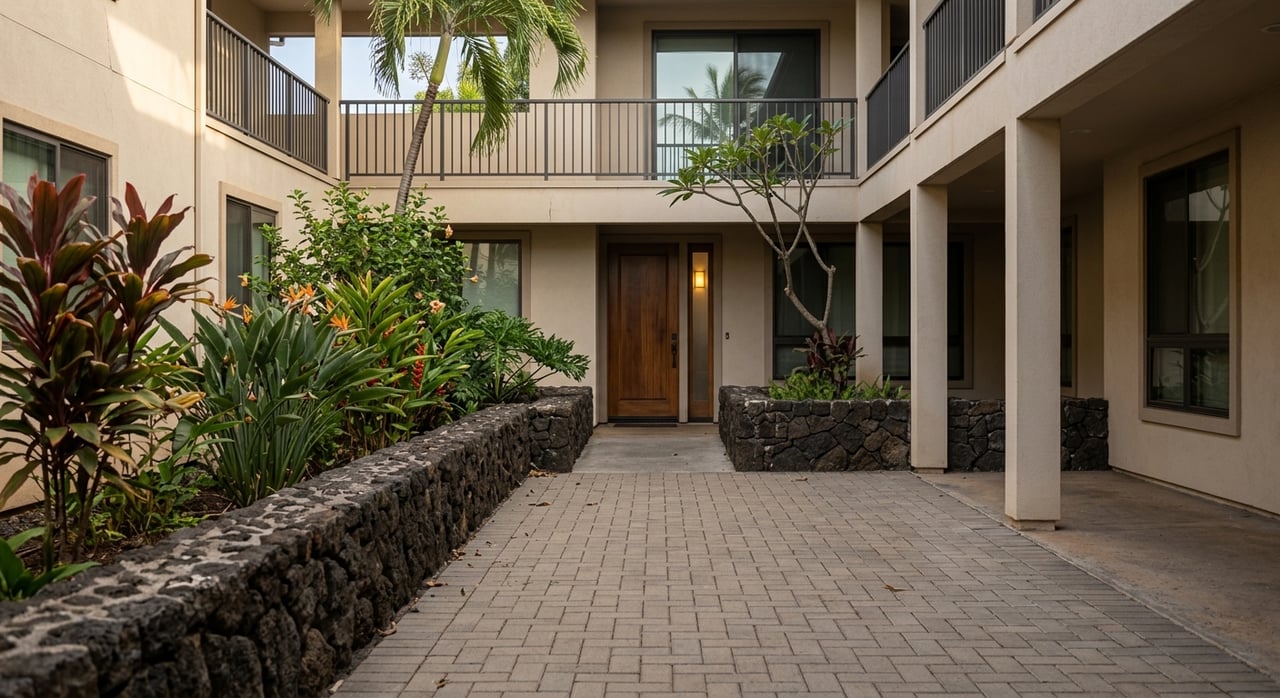
The condo landscape
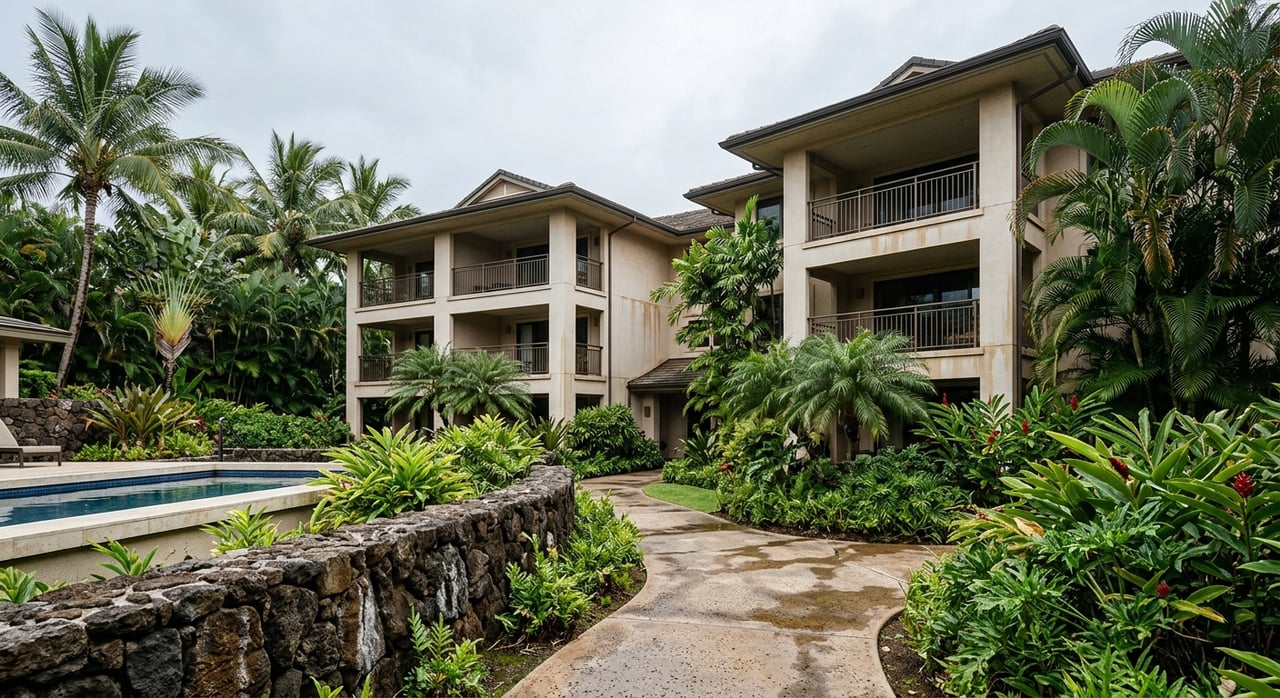
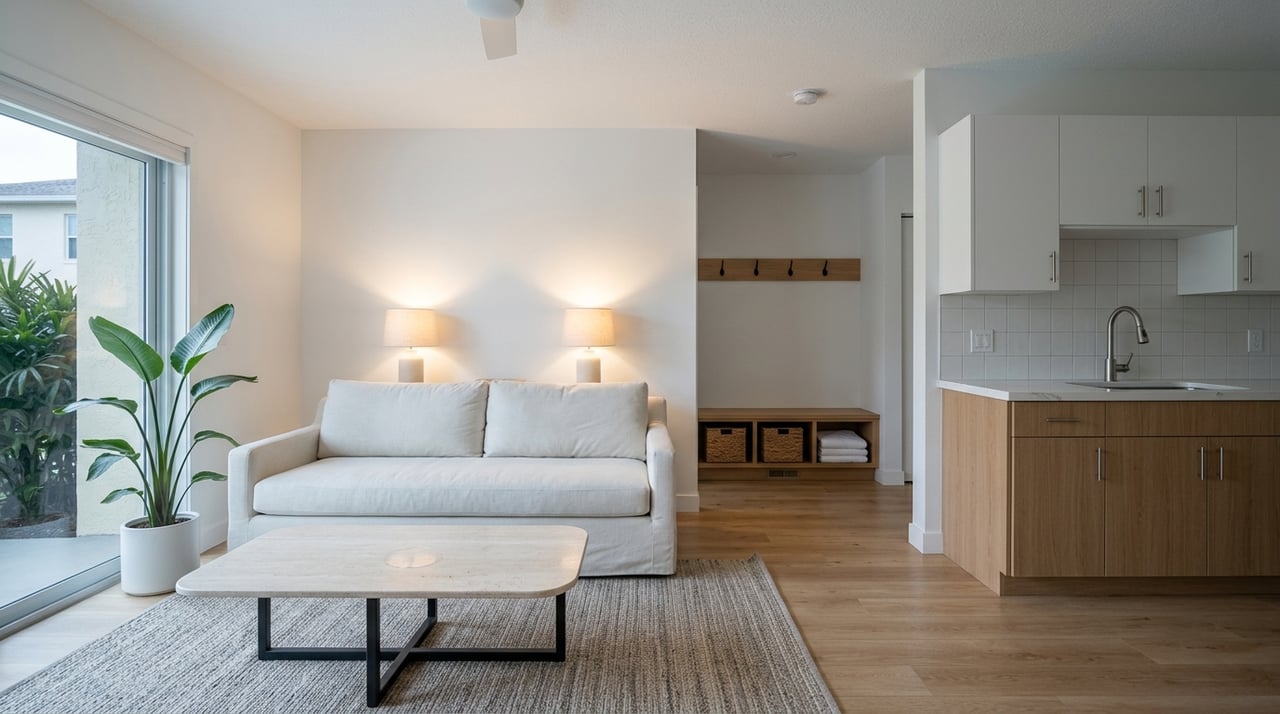
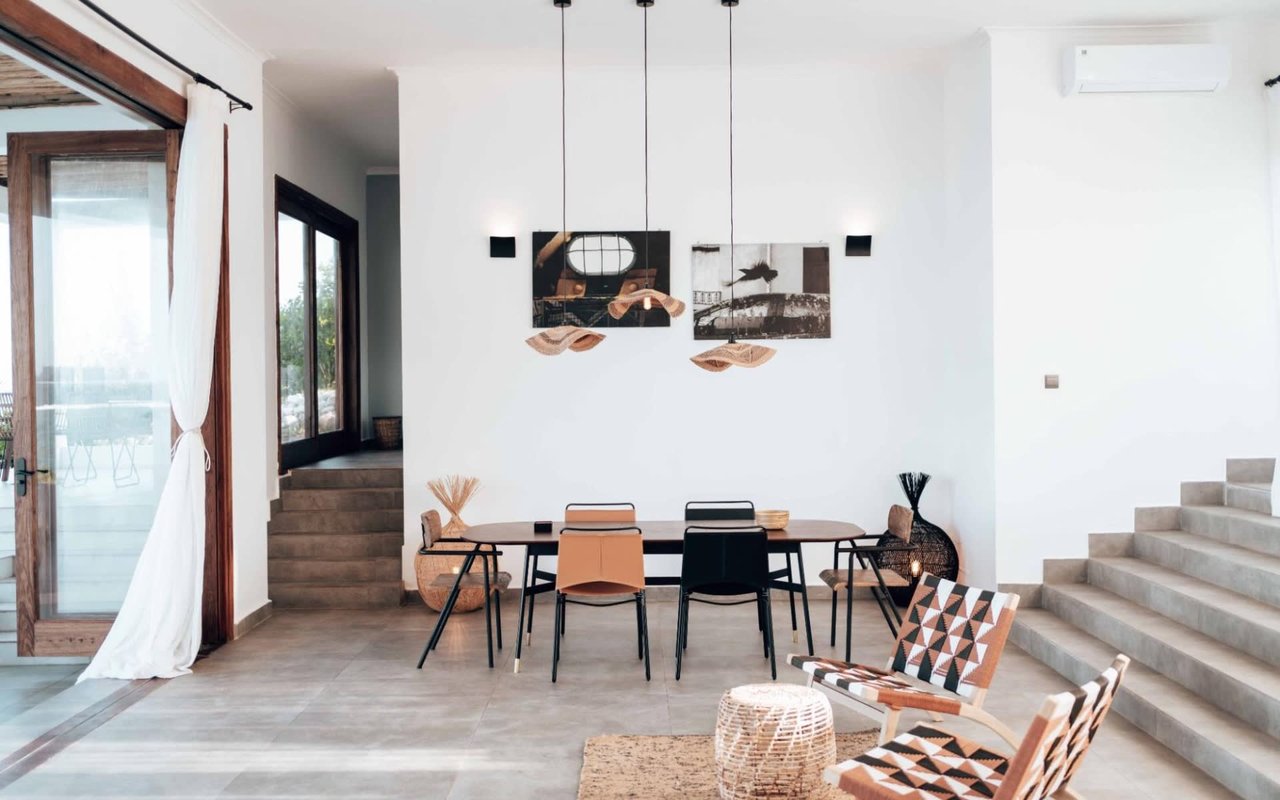
Condominiums dominate Kihei. Many were built in the 1970s and 1980s, and a large share are smaller studio to 2-bedroom layouts. UHERO reports a median unit size of about 838 square feet and a median construction year around 1977 for the so‑called Minatoya-era apartment units. That size and age profile helps explain why these condos often suit singles, couples, downsizers or small households and have historically been targeted by investors. See UHERO’s overview of the Minatoya cohort for context (UHERO analysis).
Popular examples near the Kamaole corridor include mid-range complexes like Kamaole Sands and neighbors such as Maui Kamaole and Maui Banyan. Their draw is straightforward: easy beach access, landscaped grounds, and a familiar resort-condo setup. For a feel of the amenities common in this zone, explore the Kamaole Sands info site.
Single-family options
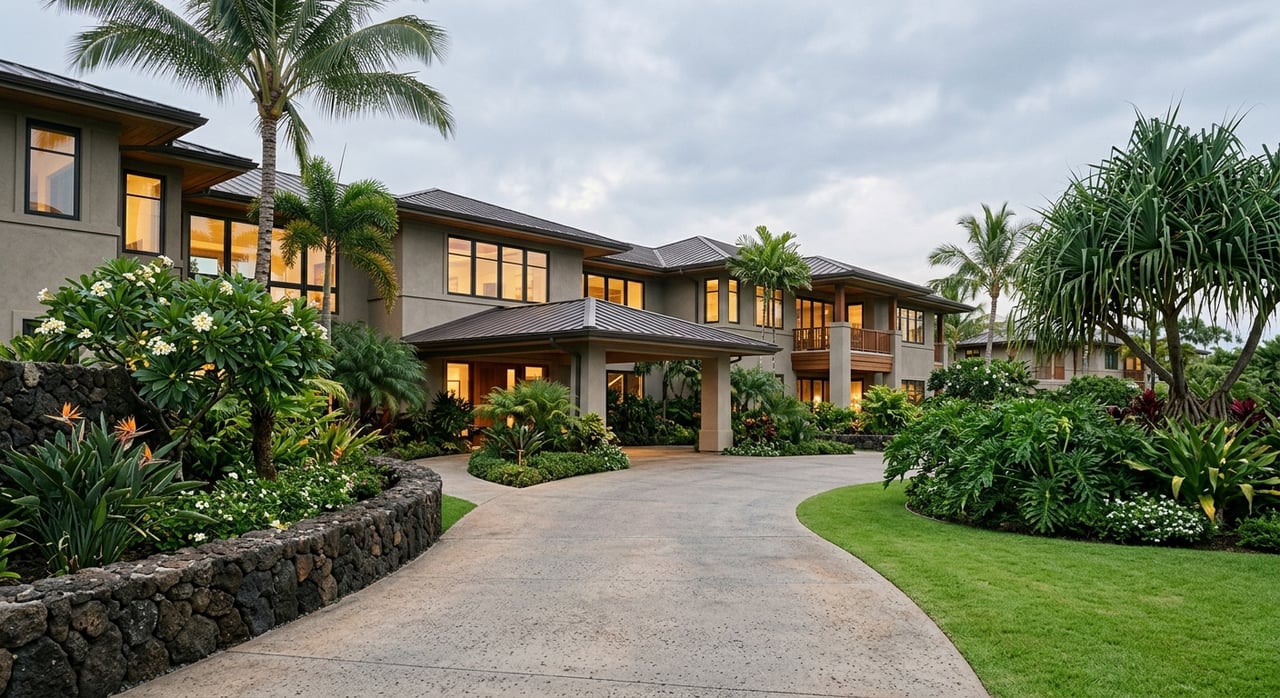
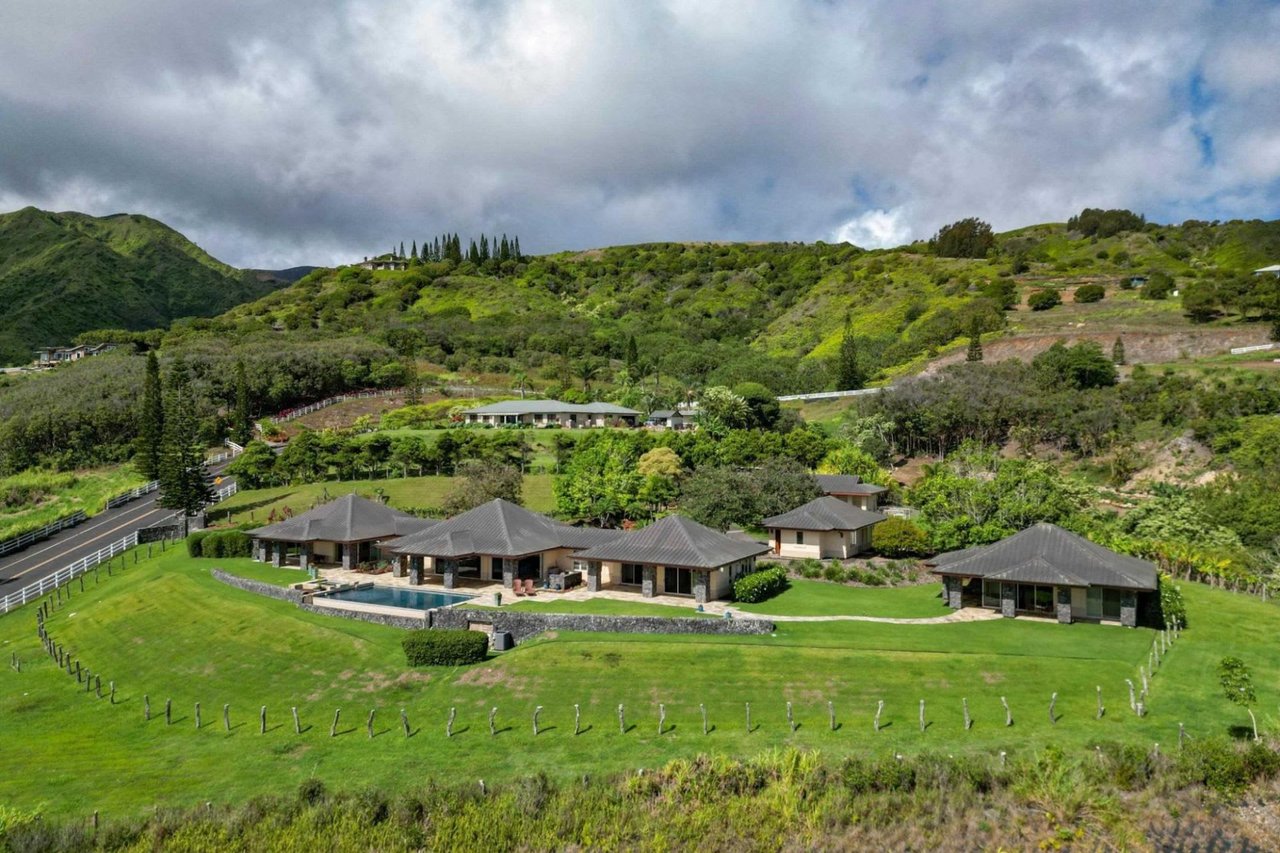
Single-family homes exist but are less dense than condos, with many located a bit inland or in hillside pockets. As you get closer to the Wailea border, you’ll encounter larger and newer single-family options and gated enclaves. These tend to trade at higher price points and on different timelines than the condo market.
Price snapshot and pace
As of late January 2026, broad trackers place typical Kihei values around the one-million-dollar mark, with Wailea substantially higher. Conditions have been gradually shifting toward a more buyer-friendly environment compared with peak periods, though oceanfront and resort properties can perform differently than inland options. Always confirm current pricing and days-on-market before you act.
Commute, schools, and day-to-day life
Getting around
The Maui Veterans Highway connects Kahului and the airport to Kihei. It is roughly 6 to 7 miles from Kahului to the north end of town, and typical drive times to central Kihei range about 20 to 35 minutes depending on traffic and where you live. Learn more about the route on the Maui Veterans Highway page.
Public transit exists, but most Kihei residents rely on cars for daily needs. If you commute frequently to central Maui or fly often, pay attention to how far south you settle along the coast.
Schools and services
Kihei includes neighborhood public schools such as Kihei Elementary, Kamali‘i Elementary, and Lokelani Intermediate. School boundaries and capacity can influence where you look if you want shorter school commutes. For local context, see Kihei Elementary’s site.
For errands, central Kihei offers practical shopping, groceries, and everyday dining. As you move into South Kihei and Wailea, you add boutique and resort-focused retail and restaurants, including options at The Shops at Wailea.
Rules that shape your options
Short-term rental changes
Maui County has enacted an ordinance commonly known as Bill 9 that phases out transient vacation rental use in many apartment-zoned properties on a staggered schedule. This is a significant long-term change for condo investors and for supply in Kihei. You can read the county’s summary of the action here: Maui County press release on Bill 9.
Practical takeaway: a condo marketed today with vacation rental history may lose that use over the coming years depending on zoning and status. If you plan on rental income, verify the specific parcel’s permissions and check the county’s public permit and approvals listings, including the Approved Short-Term Rental Homes list.
Coastal risk and disclosures
Hawaii maintains an official Sea Level Rise Viewer, and the state’s 3.2‑foot exposure area is part of the seller disclosure framework. If you are evaluating coastal parcels or lower-elevation sites, pull the address into the State Sea Level Rise Viewer as part of standard due diligence.
Which Kihei fits you
- You might prefer North/Central Kihei if you want walk-to-the-beach access near the Kamaole parks, a practical town-and-grocer feel, easier entry pricing compared with resort areas, and proximity to Keālia Pond trails and Maalaea Harbor.
- You might prefer South Kihei if you value resort amenities, quieter beaches near Keawakapu and Wailea, nearby golf, and higher-end shopping and dining options.
Your quick Kihei checklist
- Confirm intended use. Decide between primary residence, long-term rental, or short-term rental. If STR income is part of your plan, verify parcel-level permissions and search the county’s Approved Short-Term Rental Homes list.
- Check coastal exposure. Enter the property into the State Sea Level Rise Viewer and review flood zone, elevation, and shoreline history during due diligence.
- Map commutes and schools. Test drive times to Kahului/Wailuku, and review local school options such as Kihei Elementary. Most daily routines assume a car.
- Review HOA health. Request budgets, audited financials, reserve studies, and any pending special assessments. Older buildings can carry deferred maintenance that affects your total cost.
- If investing, model scenarios. Underwrite today’s STR figures, a long-term rental case, and a no-STR case. UHERO’s research shows these shifts can materially change value and returns (UHERO analysis).
Kihei offers two distinct ways to live on the same stretch of coast. The right fit comes down to how you want to spend your mornings, where you prefer to run errands, and which beaches you want to call “your” beach. If you want a local, steady hand to help weigh trade-offs, compare specific buildings, and navigate new rules with confidence, reach out to Leslie-Ann Yokouchi for personalized guidance.
FAQs
What are the main differences between North/Central and South Kihei for buyers?
- North/Central centers on walkable Kamaole beaches and practical town conveniences, while South Kihei trends toward resort amenities, quieter beaches near Wailea, and higher-end retail.
How does Maui County’s short-term rental ordinance affect Kihei condo purchases?
- Many apartment-zoned condos historically used for vacation rentals may lose that use over a phased timeline, so you should verify permissions and check county listings before relying on STR income.
Is commuting from Kihei to the airport or Kahului practical on a daily basis?
- Yes, many residents do it; the Maui Veterans Highway links Kihei to central Maui, and typical drive times to central Kihei are about 20 to 35 minutes depending on traffic and location.
Which Kihei area is best if I want to walk to the beach daily?
- Start in the Kamaole I–III corridor in Central Kihei, where many condos sit just across South Kihei Road from lifeguarded beaches with convenient day-use amenities.
How can I check if a property in Kihei faces coastal or sea level rise risk?
- Enter the address in the State of Hawaii’s Sea Level Rise Viewer and include the 3.2‑foot exposure status and flood zone review in your due diligence.